
Vitamin D3 supplements found more effective at raising vitamin D levels: study
New meta-analysis shows that vitamin D2 may lower vitamin D3 levels in the body, suggesting D3 supplements could be more effective for improving bone, immune, and mental health.
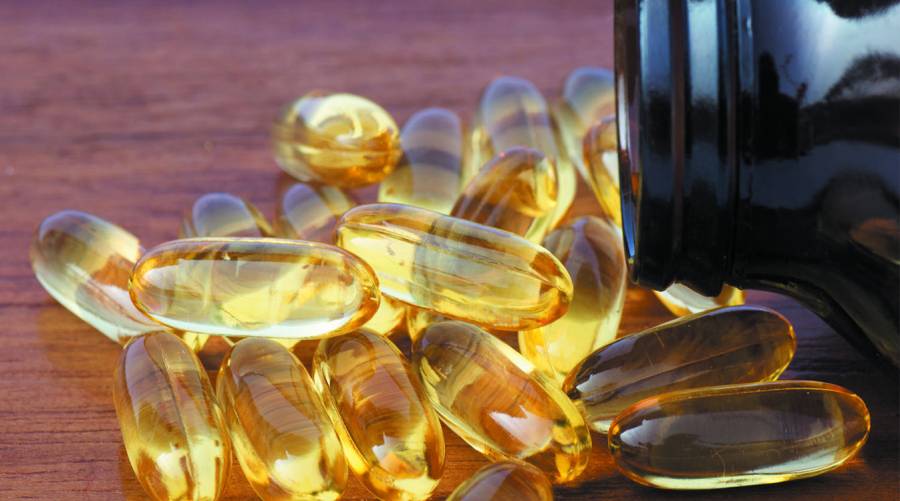
Vitamin D3 supplements found more effective at raising vitamin D levels: study
A new meta-analysis published in Nutrition Reviews reveals that vitamin D3 supplements may be more effective than vitamin D2 in raising blood levels of vitamin D and supporting bone, immune, and mental health.
Researchers found that individuals taking vitamin D2 (ergocalciferol) experienced a greater decline in circulating vitamin D3 (cholecalciferol) compared to those who took D3 or no supplements at all. The findings challenge the long-held belief that both forms of vitamin D are equally effective.
Lead author Emily Brown, PhD, research fellow at the University of Surrey, noted:
“Our study discovered that vitamin D2 supplements can actually decrease levels of vitamin D3 in the body — a previously unknown effect. This suggests that, for most individuals, vitamin D3 may be the more beneficial option.”
Study overview and findings
The meta-analysis combined data from 11 randomized controlled trials, including healthy participants who received either vitamin D2 supplements or a placebo. In nearly all cases, vitamin D2 supplementation led to a significant reduction in serum 25(OH)D3 levels, the biomarker used to measure vitamin D status.
According to the researchers, vitamin D3 supplementation not only raised total vitamin D concentrations more effectively but may also provide additional benefits such as:
- Supporting immune system function through stimulation of interferons
- Reducing the risk of cancer-related mortality
- Lowering depressive symptoms associated with vitamin D deficiency
Why vitamin D matters for health
Vitamin D is essential for bone health, calcium absorption, immune modulation, and mood regulation. A deficiency increases the risk of osteoporosis, rickets, cardiovascular diseases, diabetes, cancer, and depression.
The body produces vitamin D3 naturally when the skin is exposed to sunlight, while dietary sources include fish, eggs, and dairy. In contrast, vitamin D2 is primarily found in plants, mushrooms, and fortified foods.
Once in the body, both forms are converted into the active compound 1,25-dihydroxyvitamin D [1,25(OH)D], which regulates calcium metabolism and cellular health. However, evidence suggests D3 may have a stronger and longer-lasting impact on vitamin D status.
Expert opinions and clinical implications
Experts believe the findings could reshape clinical practice.
Dr Lina Begdache, associate professor of health and wellness studies at Binghamton University, emphasized:
“Vitamin D3 should be prioritized for supplementation, as D2 is less effective at maintaining vitamin D levels and can lower circulating D3. Clinicians should monitor D3 specifically and reserve D2 for those avoiding animal-based products.”
Similarly, Dr Malek Cheikh, endocrinologist at MedStar Health, stated:
“We once thought vitamin D2 and D3 were interchangeable. This study shows they’re not — D3 appears safer and more efficient for long-term vitamin D support.”
Both experts advised caution in supplement use, emphasizing personalized medical supervision to prevent over-supplementation and toxicity.
Understanding vitamin D deficiency
Vitamin D deficiency affects nearly one in four adults in the United States and is also prevalent in South Asia and the Middle East. Common causes include:
- Limited sun exposure
- Darker skin pigmentation
- Use of sunscreen
- Malabsorption conditions or chronic diseases (kidney, liver)
- Older adults, people with obesity, and those on certain medications are also more vulnerable.
Conclusion: Vitamin D3 emerges as the preferred supplement
The study concludes that vitamin D3 supplementation offers superior efficacy in improving vitamin D status and supporting immune, bone, and mental health functions. While D2 remains a valid option for vegetarians and vegans, D3 appears to provide broader, longer-lasting benefits for most individuals.
“Vitamin D3 may be the preferable supplement over D2,” Brown summarized, “due to its increased efficacy and possible added benefits for immunity and overall well-being.”
Stay informed and protect your health!
CLICK HERE TO JOIN Medical News Pakistan on WhatsApp for expert tips, health updates, and the latest medical research straight to your phone.

Advertisement
E-PAPER
Trending
Popular
Pakistan’s Dr. Misha Tanveer takes air pollution research to Europe ...
-
Calorie deficit for weight loss: How to ...
06:00 PM, 24 Aug, 2026 -
Vaccine maker warns of wider TBE, ...
05:00 PM, 21 Aug, 2026 -
FDA authorizes first robot to draw ...
06:11 PM, 20 Aug, 2026 -
One blood test for multiple cancers ...
04:52 PM, 11 Aug, 2026
Follow us on Facebook
Follow us on Twitter
Copyright ©2026 Medical News. All Rights Reserved.