PMA issues urgent heatwave guidelines to safeguard public health
With temperatures soaring nationwide, the Pakistan Medical Association outlines critical heatwave safety tips and calls for government action to protect vulnerable communities.
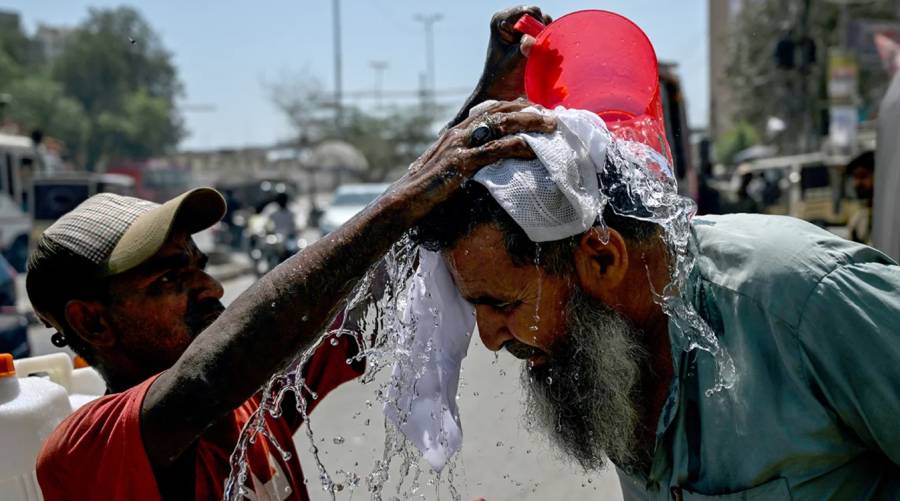
PMA releases essential heatwave safety guidelines to prevent heat-related illnesses across Pakistan
KARACHI: As Pakistan faces an alarming rise in temperatures, the Pakistan Medical Association (PMA) has released detailed heatwave safety guidelines to help protect citizens from the growing threat of extreme heat. These guidelines highlight essential preventive measures, symptom recognition, hydration, nutrition, and government responsibilities—aimed at reducing the rising number of heat-related illnesses and fatalities.
Recognizing heat-related illnesses
The PMA has urged the public to stay informed and vigilant about early signs of heat exhaustion and heatstroke.
Heat exhaustion symptoms include heavy sweating, dizziness, nausea, and fatigue. Affected individuals should be moved to a cool, shaded area, given water, and their bodies cooled down.
If symptoms persist for more than 30 minutes, seek immediate medical attention.
Heatstroke, a life-threatening emergency, presents as hot, dry skin, confusion, and unconsciousness. Victims must be rapidly cooled and transported to a hospital—do not give fluids to an unconscious person.
Vital preventive measures
To minimize exposure and risk, PMA recommends the following:
- Avoid direct sun exposure between 11 AM and 4 PM.
- Wear light, breathable clothing and use head coverings such as caps, hats, or umbrellas when outdoors.
- Stay indoors in ventilated or air-conditioned environments whenever possible.
Hydration and diet tips during heatwaves
Staying hydrated is critical. The PMA advises:
- Drink 15–20 glasses of water or fresh juices daily—even if you’re not thirsty.
- Avoid dehydrating substances like alcohol, sugary soft drinks, and excess caffeine.
- Prefer light, home-cooked meals rich in fruits and vegetables. Avoid fried or spicy foods.
- Cool showers or applying wet cloths can help regulate body temperature effectively.
Special care for vulnerable groups
Certain population groups are at higher risk of heat-related health issues:
- Children, the elderly, and outdoor workers need extra care.
- Ensure frequent hydration, cooling breaks, and limit outdoor activities.
- Outdoor workers should take regular breaks in shaded areas and wear protective gear.
PMA has urged the government and civic bodies to:
- Guarantee uninterrupted electricity and clean water supply during peak heat hours.
- Establish heatwave response centers and mobile health units, especially near livestock markets and high-risk zones.
- Launch extensive public awareness campaigns to educate communities on heatwave readiness.
- Set up public shaded waiting areas and water distribution stations in urban and rural hotspots.
By following these expert-recommended guidelines and ensuring government preparedness, Pakistan can mitigate the devastating impact of recurring heatwaves.
CLICK HERE TO FOLLOW the official Medical News Pakistan WhatsApp Channel for real-time updates, expert insights, and exclusive stories that matter to every person.

Advertisement
E-PAPER
Trending
Popular
Pakistan’s Dr. Misha Tanveer takes air pollution research to Europe ...
-
Calorie deficit for weight loss: How to ...
06:00 PM, 24 Aug, 2026 -
Vaccine maker warns of wider TBE, ...
05:00 PM, 21 Aug, 2026 -
FDA authorizes first robot to draw ...
06:11 PM, 20 Aug, 2026 -
One blood test for multiple cancers ...
04:52 PM, 11 Aug, 2026
Follow us on Facebook
Follow us on Twitter
Copyright ©2026 Medical News. All Rights Reserved.