
This one blood test could be warning you about severe health risks
You may feel perfectly fine — but a simple test might reveal what your body is fighting behind the scenes.
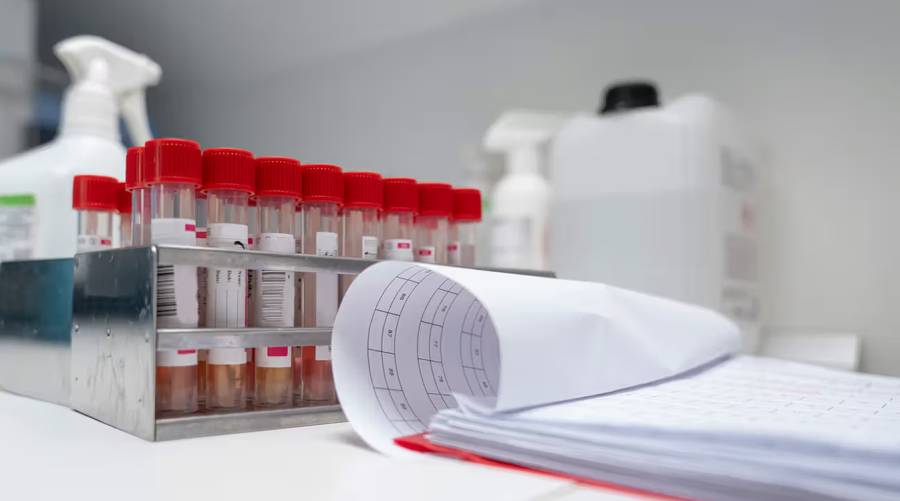
This one blood test could be warning you about a silent condition
You don’t have to feel sick to be sick. Sometimes, the first signs your body gives are not aches, pains, or fatigue — but subtle numbers buried in your bloodwork. One test, often done as part of a routine checkup, could be quietly revealing a battle taking place inside your body — even if you feel completely fine.
That test? It measures your white blood cell (WBC) count, a key marker of how your immune system is responding to threats — seen or unseen.
White blood cells are the front-line soldiers of your immune system. When something is wrong — whether it’s an infection, inflammation, chronic stress, or even some types of cancer — the body often sends more of them into your bloodstream. This increase can show up as a high white blood cell count, also called leukocytosis.
Why a high white blood cell count matters
Normally, white blood cells make up just about 1% of your total blood volume. That may sound small, but their role is massive — they defend your body from invaders like bacteria, viruses, and abnormal cells.
So when your white blood cell count rises above the normal range (typically above 11,000 per microliter), it may mean:
- Your immune system is fighting an infection
- You’re under significant physical or emotional stress
- You have inflammation or an autoimmune disorder
- You’re pregnant or recently gave birth
- You’ve experienced injury or undergone surgery
- You may be reacting to certain medications
- In some cases, it can point to blood cancers like leukemia or lymphoma
Types of white blood cells, what they do
Each type of white blood cell has its own unique function — and an increase in one specific type may signal something different:
- Neutrophils: First responders to infection or injury
- Lymphocytes: Involved in viral infections and chronic immune conditions
- Monocytes: Help break down germs and damaged tissue
- Eosinophils: Rise in allergies, asthma, or parasitic infections
- Basophils: Increase in allergic reactions or hypothyroidism
A healthcare provider can look at which type of white cell is elevated to better understand what’s going on.
High white blood cell count in pregnancy
Interestingly, pregnancy can naturally raise your white blood cell levels — especially during labor. This is a normal immune response to the stress of childbirth. But if levels remain high long after delivery, it could be a sign of something else.
When to get checked
Often, a high WBC count is discovered during routine testing — and you may not feel any symptoms at all. But if you’re experiencing signs like:
- Persistent fatigue
- Unexplained fever
- Night sweats
- Recurrent infections
- Bruising or bleeding
…it’s important to consult a healthcare provider. They may recommend further testing, like a complete blood count (CBC) with a differential to see exactly what’s happening.
Final word: Don’t ignore the signals
Your body may be speaking softly through your blood — before symptoms scream out loud. A high white blood cell count isn’t a diagnosis on its own, but it’s often a valuable clue. It could mean a simple infection… or something more serious brewing beneath the surface.
The good news? With early detection, most underlying causes can be treated — or at least managed more effectively.
CLICK HERE TO FOLLOW Medical News Pakistan WhatsApp Channel for more life-changing, science-backed health updates.

Advertisement
E-PAPER

Trending
Popular
Pakistan’s Dr. Misha Tanveer takes air pollution research to Europe ...
-
Calorie deficit for weight loss: How to ...
06:00 PM, 24 Aug, 2026 -
Vaccine maker warns of wider TBE, ...
05:00 PM, 21 Aug, 2026 -
FDA authorizes first robot to draw ...
06:11 PM, 20 Aug, 2026 -
One blood test for multiple cancers ...
04:52 PM, 11 Aug, 2026
Follow us on Facebook
Follow us on Twitter
Copyright ©2026 Medical News. All Rights Reserved.

