
Turmeric may support weight loss and diabetes management
New research suggests turmeric and its active compound curcumin could help people with type 2 diabetes and prediabetes lose weight and reduce health risks.
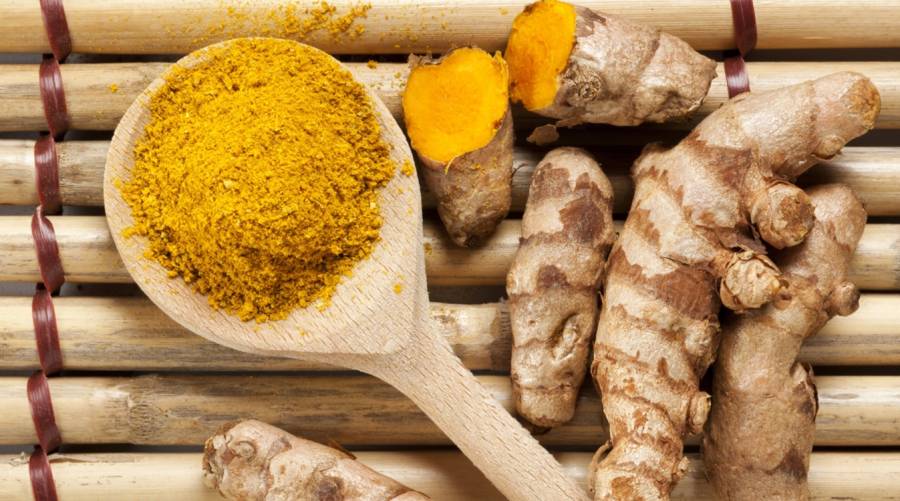
Turmeric and curcumin may aid weight control in type 2 diabetes
Type 2 diabetes is a growing global health crisis, affecting more than 800 million people worldwide according to the World Health Organization (WHO). With treatment costs projected to exceed $1 trillion by 2030, researchers are investigating affordable and natural ways to support diabetes management. A new review highlights that turmeric, or its active compound curcumin, may play a role in weight loss for people with prediabetes and type 2 diabetes.
Evidence from clinical studies
The meta-analysis, published in Nutrition & Diabetes, examined 20 randomized controlled trials involving adults with prediabetes or type 2 diabetes. Results showed that turmeric or curcumin supplementation led to modest but meaningful improvements in:
- Body weight
- Waist circumference
- Body fat percentage
- Hip circumference
While the reductions averaged around 2 kilograms (5 pounds) and 2–3 centimeters off the waistline, experts note that even small decreases in central obesity can reduce risks of cardiovascular disease and other diabetes complications.
How turmeric may help with weight loss
Researchers suggest turmeric’s benefits may stem from its anti-inflammatory and antioxidant effects. Curcumin could:
- Improve insulin sensitivity
- Enhance fat metabolism
- Reduce appetite and inflammation
- Increase thermogenesis (calorie burning for heat production)
These mechanisms may explain its role in supporting weight control, though more research is needed to confirm long-term effectiveness.
Dosage and duration matter
The analysis found that supplementation for more than 22 weeks and doses above 1,500 mg per day produced the strongest effects. However, mild side effects such as stomach upset, nausea, or itching were reported in a few studies.
Experts emphasize that turmeric should be viewed as a supportive therapy, not a replacement for lifestyle changes or prescribed medications.
Expert insights and cautions
Dr. Thomas M. Holland of RUSH University, who was not involved in the study, described the findings as “modest but noteworthy,” stressing that even minor weight reductions can make a population-level impact.
However, researchers also note limitations, including variations in dosage, population diversity, and study design. Larger, high-quality clinical trials are needed before turmeric can be recommended as a standard treatment.
The takeaway
Turmeric and curcumin supplements may offer a safe, accessible, and cost-effective way to support weight management in type 2 diabetes. While not a shortcut to weight loss, they could complement healthy diet and exercise, potentially lowering the need for expensive medications and improving long-term health outcomes.
Stay updated with Medical News Pakistan
CLICK HERE TO JOIN Medical News WhatsApp community to get the latest updates on global health guidelines, medical research, and expert insights directly on your phone.

Advertisement
E-PAPER
Trending
Popular
Pakistan’s Dr. Misha Tanveer takes air pollution research to Europe ...
-
Calorie deficit for weight loss: How to ...
06:00 PM, 24 Aug, 2026 -
Vaccine maker warns of wider TBE, ...
05:00 PM, 21 Aug, 2026 -
FDA authorizes first robot to draw ...
06:11 PM, 20 Aug, 2026 -
One blood test for multiple cancers ...
04:52 PM, 11 Aug, 2026
Follow us on Facebook
Follow us on Twitter
Copyright ©2026 Medical News. All Rights Reserved.