
Gates Foundation, WHO join hands to support 465,000 flood-affected people in Pakistan
The Gates Foundation has pledged $1 million to WHO to strengthen Pakistan’s flood response, ensuring life-saving health services for vulnerable communities.
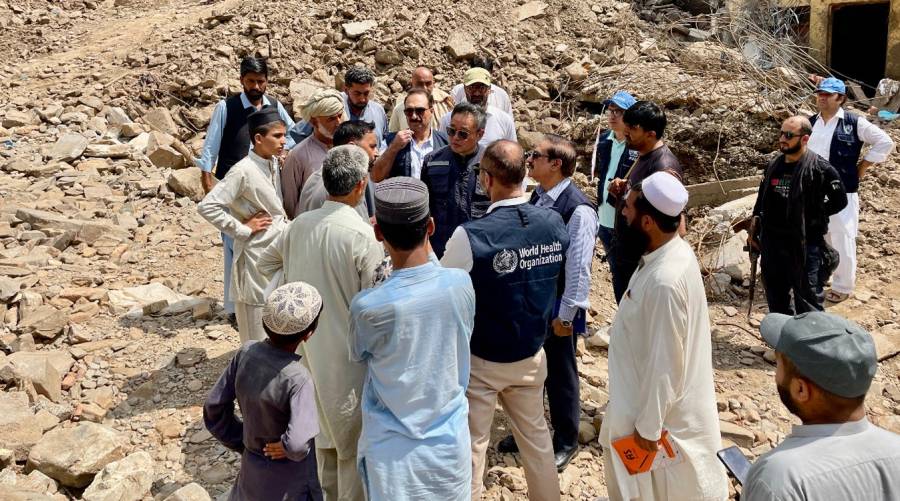
Gates Foundation supports WHO to aid health needs of 465,000 flood-affected people in Pakistan
ISLAMABAD: The Gates Foundation has partnered with the World Health Organization (WHO) to support Pakistan in meeting urgent health needs for more than 465,000 people affected by the devastating monsoon floods across 33 high-risk districts in Khyber Pakhtunkhwa, Sindh, Punjab, and Balochistan.
The $1 million donation from the Gates Foundation will strengthen Pakistan’s flood preparedness and response efforts by ensuring the continuity of essential health services. This includes enhancing disease surveillance, outbreak response, medical supply distribution, health sector coordination, and risk communication to provide life-saving information to communities.
The six-month initiative will focus on protecting the most vulnerable, including pregnant women, children under five, older adults, persons with disabilities, internally displaced persons (IDPs), and host communities.
WHO Representative in Pakistan, Dr. Dapeng Luo, said during a visit to flood-hit areas in Swabi District, Khyber Pakhtunkhwa:
“We are particularly thankful to the Gates Foundation for this generous and timely support. As the climate crisis drives more extreme monsoons, rapid response and strong preparedness are essential to preserve public health. WHO stands with Pakistan to save lives today and build stronger, more resilient health systems for tomorrow.”
Current flood impact in Pakistan
According to the Provincial Disaster Management Authority (PDMA), since August 15, flash floods and heavy rains in Khyber Pakhtunkhwa have killed at least 450 people, injured 265, and affected over 860,000 people. The floods have also displaced thousands, damaged 57 health facilities, 4,243 houses, and 60 schools.
At the national level, the National Disaster Management Authority (NDMA) has reported 802 deaths, 1,088 injuries, and damage to 89 health facilities, 7,465 homes, 238 bridges, and 658 km of roads between June 26 and August 27. Over 29,000 people have sought shelter in relief camps, while 63 medical camps have provided care to more than 5,100 people.
WHO’s emergency support
In response, WHO teams in Pakistan are actively supporting federal and provincial governments in:
- Coordinating health sector partners to assess needs and streamline response efforts
- Dispatching emergency medical supplies, including treatment for up to 15,000 patients within 24 hours of floods in KP
- Delivering nationwide health supplies since June to assist up to 380,000 displaced and flood-affected people
- Under the Monsoon Contingency Plan 2025, WHO is also prepared to provide emergency health assistance to 1.3 million vulnerable people in 33 priority districts when required.
Building climate-resilient health systems
The Gates Foundation-WHO partnership highlights the urgent need for climate-resilient health systems in Pakistan. With climate change intensifying natural disasters, proactive preparedness and international collaboration will be crucial to safeguarding lives and ensuring continuity of essential health services.
Stay updated with Medical News Pakistan
CLICK HERE TO JOIN Medical News WhatsApp community to get the latest updates on global health guidelines, medical research, and expert insights directly on your phone.

Advertisement
E-PAPER
Trending
Popular
Pakistan’s Dr. Misha Tanveer takes air pollution research to Europe ...
-
Calorie deficit for weight loss: How to ...
06:00 PM, 24 Aug, 2026 -
Vaccine maker warns of wider TBE, ...
05:00 PM, 21 Aug, 2026 -
FDA authorizes first robot to draw ...
06:11 PM, 20 Aug, 2026 -
One blood test for multiple cancers ...
04:52 PM, 11 Aug, 2026
Follow us on Facebook
Follow us on Twitter
Copyright ©2026 Medical News. All Rights Reserved.