
Surge in unlicensed veterinary clinics raises health concerns ahead of Eid-ul-Adha
Illegal vet clinics in Karachi endanger animal and public health as millions of sacrificial animals flood city markets without checks.
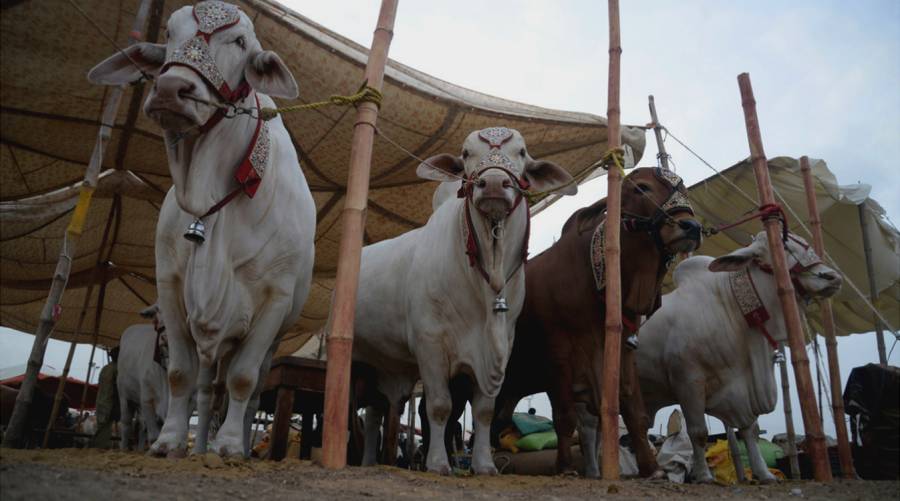
KARACHI: As Eid-ul-Adha approaches, Karachi is witnessing a rise in unauthorized and unqualified veterinary clinics, putting both animal and public health at serious risk.
With the arrival of hundreds of thousands of sacrificial animals from across Pakistan, the city's cattle markets are overflowing. Yet, there remains no official system to ensure these animals are vaccinated, properly fed, or medically examined.
Lack of veterinary oversight and infrastructure
Karachi suffers from a critical shortage of licensed veterinary doctors, limiting the availability of safe and standardized animal care. Many animals brought to the city lack basic identification, vaccination, or quarantine procedures.
The situation is worsened by unsanitary market conditions, which facilitate the spread of zoonotic diseases. One particularly alarming concern is the possible presence of animals carrying the Crimean-Congo Hemorrhagic Fever (CCHF), which can infect humans through contact with infected animal blood or ticks.
Rise in illegal clinics operating without oversight
Every year, temporary illegal veterinary clinics are set up across the city, often run by untrained individuals. These unauthorized operators typically administer a standard antibiotic injection to all sick animals, regardless of symptoms or diagnosis. This not only endangers animal welfare but also contributes to antibiotic resistance.
Reports suggest these illegal clinics are charging around Rs. 1,000 per animal, with no regulatory oversight from the city administration or the provincial Livestock Department.
Official response and limited reach
According to Dr. Hizbullah Bhutto, Director of Veterinary Services at the Sindh Livestock Department:
“These clinics are illegal and not run by certified veterinarians. Taking action against them falls under the district administration's jurisdiction.”
He also clarified that:
- The Livestock Department is not authorized to operate medical camps within the cattle markets.
- Their role is limited to external surveillance and advisory support.
- Due to the temporary nature of the animals' stay, no formal vaccination program is conducted.
Dr. Bhutto confirmed that between 1.5 to 1.7 million animals have already arrived in Karachi. To monitor animal health during inter-provincial transport, 10 livestock health check-posts have been established at borders with Punjab and Balochistan. However, enforcement challenges persist, and the risk of disease spread remains high.
Urgent need for regulation and public awareness
Experts and animal health advocates are calling for:
- Strict regulation of veterinary services during Eid season
- Public awareness campaigns on safe animal handling
- Qualified veterinarians to be stationed at major cattle markets
Ensuring animal health is not just about religious duty—it’s a public health imperative. With better oversight and community involvement, we can protect both sacrificial animals and the people who care for them.
Join the Medical News Pakistan Official WhatsApp Channel for exclusive alerts, expert opinions, and real-time coverage on public health, veterinary safety, and Eid-related developments.
JOIN NOW: Medical News Pakistan WhatsApp Channel

Advertisement
E-PAPER

Trending
Popular
Pakistan’s Dr. Misha Tanveer takes air pollution research to Europe ...
-
Calorie deficit for weight loss: How to ...
06:00 PM, 24 Aug, 2026 -
Vaccine maker warns of wider TBE, ...
05:00 PM, 21 Aug, 2026 -
FDA authorizes first robot to draw ...
06:11 PM, 20 Aug, 2026 -
One blood test for multiple cancers ...
04:52 PM, 11 Aug, 2026
Follow us on Facebook
Follow us on Twitter
Copyright ©2026 Medical News. All Rights Reserved.

