
Scientists trace psychiatric disorders to energy imbalances in the brain
Landmark research from top neuroscientists identifies brain bioenergetics as a key factor in psychiatric disorders, opening new frontiers for treatment
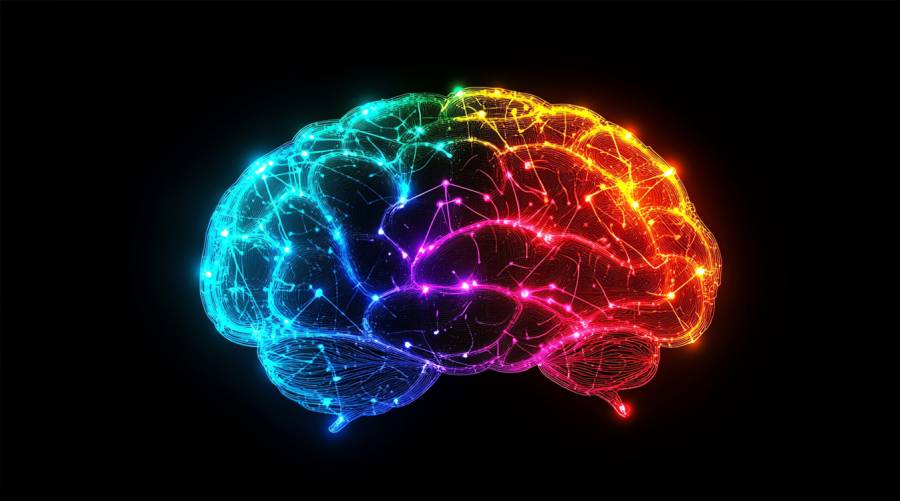
A groundbreaking international study has revealed that disruptions in brain energy metabolism may be a fundamental cause of psychiatric disorders—marking a major shift in the scientific understanding of mental health.
The research, co-authored by 40 of the world’s leading neuroscientists, including Professor Zoltan Sarnyai from James Cook University, found that people living with conditions like depression, schizophrenia, and bipolar disorder often show significant abnormalities in how their brains produce and use energy.
According to Professor Sarnyai, the brain’s bioenergetics—how it generates and utilizes energy—are crucial for healthy functioning, and even minor disruptions can result in severe consequences.
“We now know that these energy issues are not a side effect of mental illness or its treatment,” he said. “They are a hallmark of the disorder itself.”
Energy imbalances may drive psychiatric symptoms
The findings were the result of a high-level, invitation-only summit in Frankfurt, where experts examined decades of neurological and metabolic data. They concluded that energy abnormalities in brain cells, particularly neurons, can directly influence mental function and may be responsible for the onset and severity of psychiatric symptoms.
“Because the brain has no major energy reserves, even small disruptions in energy production can significantly impair brain activity,” said Professor Sarnyai. “This could explain why mental disorders can emerge or worsen during periods of physiological stress or poor nutrition.”
Future treatments may target brain metabolism
The research paves the way for a new class of psychiatric treatments focused on metabolic interventions. These could include tailored medications, dietary plans, or lifestyle strategies aimed at restoring proper brain energy balance.
One example already showing promise is the ketogenic diet, which has been effective in improving symptoms in some patients with epilepsy, bipolar disorder, and psychotic conditions.
“This study lays the foundation for a new branch of psychiatry that integrates neuroscience with metabolism,” said Professor Sarnyai. “We’re now asking if treating the body’s biochemistry early—before full-blown illness develops—could prevent severe mental health outcomes.”
Cautious optimism among researchers
While the findings are compelling, experts caution against overselling the implications. “These treatments won’t be magic bullets,” said Professor Sarnyai. “But they could expand our toolkit and improve patient outcomes—especially when used alongside existing therapies.”
As public trust in mental health treatments continues to evolve, the study offers a science-backed path toward more personalized and effective psychiatric care, grounded in the brain’s fundamental biology.
CLICK HERE TO FOLLOW Medical News Pakistan WhatsApp Channel for more life-changing, science-backed health updates.

Advertisement
E-PAPER

Trending
Popular
Pakistan’s Dr. Misha Tanveer takes air pollution research to Europe ...
-
Calorie deficit for weight loss: How to ...
06:00 PM, 24 Aug, 2026 -
Vaccine maker warns of wider TBE, ...
05:00 PM, 21 Aug, 2026 -
FDA authorizes first robot to draw ...
06:11 PM, 20 Aug, 2026 -
One blood test for multiple cancers ...
04:52 PM, 11 Aug, 2026
Follow us on Facebook
Follow us on Twitter
Copyright ©2026 Medical News. All Rights Reserved.