
The cholesterol factor you’ve been ignoring — it starts in childhood
New AHA & ACC guidelines expose hidden risks and simple lifestyle steps that could save millions of hearts
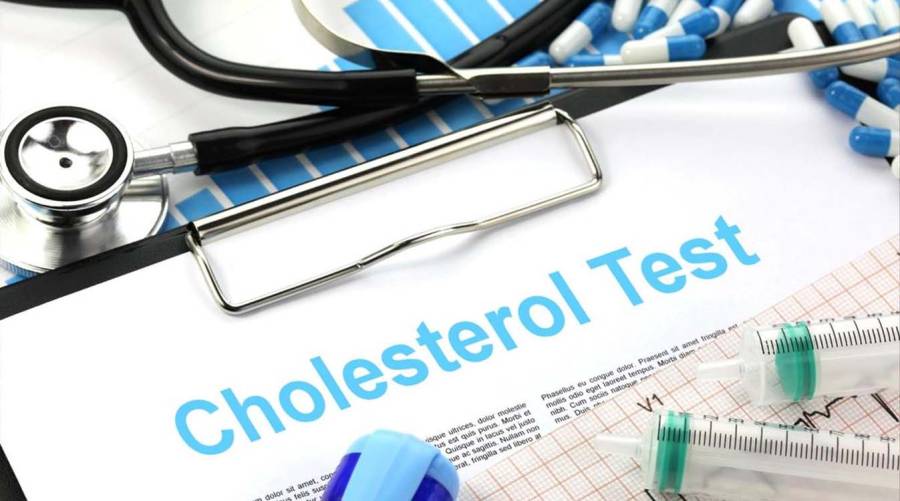
Your cholesterol isn’t just a number on a lab report. It could be silently shaping your future—starting decades before symptoms appear.
According to the American Heart Association (AHA) and American College of Cardiology (ACC), high cholesterol and related lipid imbalances, also known as dyslipidemia, are among the deadliest silent threats to heart health. While most people associate cholesterol problems with adults, the 2026 updated guidelines reveal a startling reality: these risks often begin in childhood, quietly increasing the likelihood of heart attacks, strokes, and chronic cardiovascular disease later in life.
Experts estimate that high cholesterol alone contributes to roughly 4.4 million deaths worldwide each year. Yet, the problem remains largely invisible—because dyslipidemia typically causes no symptoms until catastrophic events strike.
Understanding the silent enemy
Dyslipidemia refers to any imbalance in the fats circulating in your blood, including:
- High LDL (“bad cholesterol”), which deposits plaque in arteries.
- Low HDL (“good cholesterol”), which helps remove arterial buildup.
- Elevated triglycerides, another type of blood fat linked to heart disease and pancreatitis.
When these lipids are out of balance, they slowly narrow your arteries, increasing the risk of heart attack, stroke, atherosclerosis, peripheral artery disease, and coronary artery disease. They may also raise the likelihood of type 2 diabetes, chronic kidney disease, and pancreatitis.
Related story: Eat these foods if you want to lower inflammation and cholesterol levels in your body
“Most people don’t realize they have dyslipidemia until something serious happens,” warns Dr. Rodrigo Mendirichaga Magana, interventional cardiologist and director of cardiac rehabilitation at Wentworth-Douglass Hospital. “These new guidelines are crucial because they help detect and address the problem long before it becomes life-threatening.”
Five pillars of prevention: small steps, huge impact
The 2026 guidelines stress early intervention and lifestyle-based prevention as the first line of defense:
- Heart-healthy diet: Emphasize whole foods, fruits, vegetables, and lean proteins; reduce ultra-processed foods and added sugars.
- Regular physical activity: Aim for at least 150 minutes of moderate exercise weekly.
- Tobacco avoidance: Smoking and vaping increase plaque buildup and heart risk.
- Quality sleep: Poor sleep directly contributes to metabolic and cardiovascular dysfunction.
- Maintain healthy weight: Even modest weight loss can significantly improve lipid levels and reduce cardiovascular risk.
“Small, consistent habits over time are more important than temporary efforts,” notes Dr. Heather Johnson, director of preventive cardiology at Baptist Health South Florida and member of the guideline writing committee. “The emphasis is on earlier, lifelong prevention rather than reactive treatment after disease appears.”
A new era of personalized risk assessment
Beyond lifestyle, the guidelines introduce more precise tools for assessing cardiovascular risk. One such tool is the PREVENT (Predicting Risk of Cardiovascular Disease EVENTs) calculator, which estimates both 10-year and 30-year risk of heart attacks and strokes, even for individuals as young as 30.
“This allows doctors and patients to have an individualized conversation about risk,” says Dr. Johnson. “It’s not just about cholesterol numbers; it’s about overall risk and when to act early with lifestyle changes or medication.”
Additionally, the guidelines highlight advanced testing to uncover hidden threats:
- CAC (Coronary Artery Calcium) scan: A quick CT scan that reveals plaque buildup in heart arteries.
- Lp(a) test: Identifies sticky, genetically driven cholesterol that isn’t improved with lifestyle changes.
- ApoB test: Measures all bad cholesterol particles, providing a more accurate risk profile than standard LDL alone.
“These tests can reveal silent risks invisible to traditional panels and guide more aggressive prevention strategies,” explains Dr. Kevin Shah, Program Director of Heart Failure Outreach at MemorialCare Heart & Vascular Institute.
Hypertriglyceridemia: the underestimated danger
High triglycerides, often arising from excess simple carbohydrates, are another critical focus. Dr. Yu-Ming Ni, cardiologist and lipidologist at MemorialCare Heart and Vascular Institute, explains:
“Very high triglycerides not only increase heart disease risk but can trigger pancreatitis, a potentially life-threatening condition. New medications like olezarsen and plozasiran can help, but lifestyle intervention remains the cornerstone of treatment.”
Cholesterol in children: the early warning signal
The guidelines emphasize that high cholesterol can appear early in life, especially in children with genetic predispositions or unhealthy lifestyles. Screening all children ages 9–11 can detect familial hypercholesterolemia or early lifestyle-related lipid abnormalities.
You may also like to read: Cholesterol and eggs - new scientific research may surprise you
“Detecting these issues early allows for timely interventions—both lifestyle-based and medical—potentially reducing lifetime cardiovascular risk,” says Dr. Kaavya Paruchuri, Director of the Lipid Apheresis Unit at Mass General Health.
Why this matters to every household
These guidelines are more than clinical advice—they are a public health alarm:
- Heart disease is preventable with early detection and sustained lifestyle changes.
- Cholesterol risk isn’t limited to adults; it begins in childhood and builds silently.
- Advanced testing and individualized risk calculators empower informed decision-making.
The takeaway is clear: knowing your risk, embracing preventive habits, and leveraging modern tools could save millions of lives. The message is urgent, personal, and actionable—because your heart health today determines your life tomorrow.
Stay ahead of heart disease
CLICK HERE TO JOIN Medical News Pakistan on WhatsApp for expert insights, prevention tips, and updates on global heart health guidelines.

Advertisement
E-PAPER
Trending
Popular
Pakistan’s Dr. Misha Tanveer takes air pollution research to Europe ...
-
Calorie deficit for weight loss: How to ...
06:00 PM, 24 Aug, 2026 -
Vaccine maker warns of wider TBE, ...
05:00 PM, 21 Aug, 2026 -
FDA authorizes first robot to draw ...
06:11 PM, 20 Aug, 2026 -
One blood test for multiple cancers ...
04:52 PM, 11 Aug, 2026
Follow us on Facebook
Follow us on Twitter
Copyright ©2026 Medical News. All Rights Reserved.