
PMA rejects PMDC’s MDCAT 2025 policy, calls it unjust and exclusionary
PMA criticizes PMDC for new MDCAT rules, citing issues of access, transparency, and fairness, and urges systemic reforms in Pakistan’s medical education system.
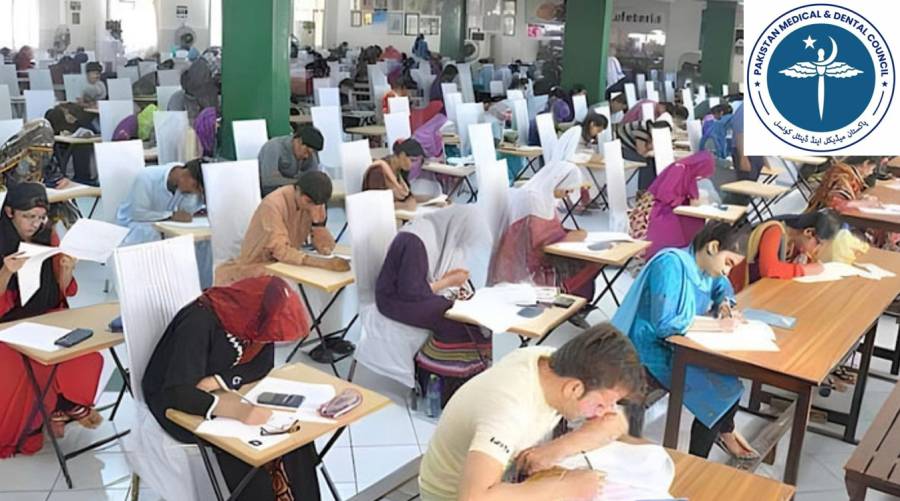
KARACHI: The Pakistan Medical Association (PMA) has voiced strong opposition to the recent MDCAT 2025 policy announcement by the Pakistan Medical & Dental Council (PMDC), calling the new decisions "unfair, exclusionary, and damaging" to aspiring medical and dental students across the country and abroad.
In a detailed statement, the PMA denounced the PMDC public notice dated June 19, outlining changes to the Medical and Dental College Admission Test (MDCAT), citing concerns over accessibility, academic fairness, and procedural transparency.
Key concerns raised by the PMA:
- 1. Geographical restrictions on test centers
The PMDC has mandated that MDCAT candidates must sit for the exam within their home province or region. The PMA argues that this decision disadvantages students from underdeveloped areas, many of whom might need to travel due to better access or safety concerns. It also complicates logistics for families and risks lowering national accessibility to medical education.
- 2. 65% minimum marks requirement in intermediate
The new requirement of a 65% minimum score in F.Sc. (Pre-Medical) for MBBS/BDS admission is being seen as arbitrary. PMA states that without a thorough policy review or evidence of effectiveness, this change could unfairly eliminate hardworking students, especially those from marginalized or under-resourced educational backgrounds.
- 3. Riyadh as the sole international MDCAT venue
Designating Riyadh, Saudi Arabia as the only overseas MDCAT venue imposes unreasonable financial and logistical burdens on the Pakistani diaspora living in regions such as the UK, US, Europe, and other parts of the Middle East. PMA says this decision limits opportunities for overseas Pakistanis who wish to contribute to Pakistan’s healthcare system.
- 4. Lack of transparency and trust in MDCAT
PMA highlighted longstanding complaints from students and families about alleged corruption, cheating, and favoritism in the MDCAT system. The Association expressed concern that these systemic issues have led to erosion of public trust in the admission process, undermining genuine merit and academic dedication.
PMA advocates for structural reform over flawed admissions policies
The PMA emphasized that the solution lies not in adding more barriers like MDCAT, but in reforming Pakistan’s foundational education system. A transparent and credible matric and intermediate exam process, PMA argues, would eliminate the need for a flawed and inconsistent national entry test altogether.
“If our board exams were free from political and external influence, they would be enough to determine student merit. MDCAT in its current form rewards test-taking tactics—not academic strength or integrity,” the PMA statement noted.
A call for inclusive, fair, and evidence-based policymaking
Urging the PMDC to reconsider its policies, the PMA reiterated that national admission guidelines should be developed in consultation with all stakeholders, and with a focus on equity, accessibility, and transparency. The Association also called for multiple overseas MDCAT centers and an independent audit of the current examination structure.
CLICK HERE TO FOLLOW Medical News Pakistan WhatsApp Channel for more life-changing, science-backed health updates.

Advertisement
E-PAPER

Trending
Popular
Pakistan’s Dr. Misha Tanveer takes air pollution research to Europe ...
-
Calorie deficit for weight loss: How to ...
06:00 PM, 24 Aug, 2026 -
Vaccine maker warns of wider TBE, ...
05:00 PM, 21 Aug, 2026 -
FDA authorizes first robot to draw ...
06:11 PM, 20 Aug, 2026 -
One blood test for multiple cancers ...
04:52 PM, 11 Aug, 2026
Follow us on Facebook
Follow us on Twitter
Copyright ©2026 Medical News. All Rights Reserved.

