
Ramadan: A month of transformation for the youth
How fasting, reflection, and service empower young Muslims physically, emotionally, and spiritually
By: Sabahat Sikander
Ramadan, the ninth month of the Islamic calendar, holds immense spiritual importance for Muslims worldwide. It is the month in which the Holy Qur’an was revealed to Prophet Muhammad (peace be upon him). During this sacred period, Muslims observe fasting from dawn to sunset, increase their acts of worship, engage in charity, and practice self-discipline.
For young people, Ramadan offers a unique opportunity to cultivate lifelong habits that strengthen physical, psychological, and spiritual well-being.
Understanding Ramadan as a holistic development opportunity
Ramadan is not merely about abstaining from food and drink; it serves as a comprehensive training program for the body, mind, and soul. For youth—who are in their most energetic and formative years—the month can become a structured period for self-improvement. With conscious planning and sincere intention, Ramadan can transform from ritual observance into a life-shaping experience.
Physical health enhancement
Balanced nutrition and smart eating habits
Ramadan presents an opportunity for young individuals to correct unhealthy eating patterns. Rather than overeating at Iftar, they are encouraged to consume balanced meals that include proteins, complex carbohydrates, healthy fats, fruits, and vegetables.
More from this author: Breaking silence: Addressing silent health crisis of young girls in Pakistan
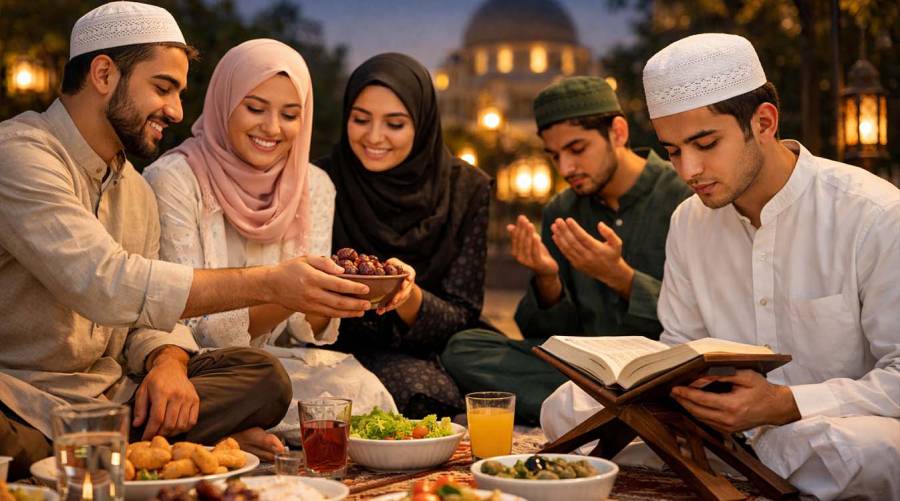
Following the Sunnah by breaking the fast with dates and water promotes moderation and supports digestive health. Proper hydration between Iftar and Suhoor is equally essential. Avoiding excessive sugary beverages and processed foods helps maintain steady energy levels throughout the fasting day.
Maintaining physical activity
Ramadan should not become a month of inactivity. Light to moderate exercise—such as walking, stretching, or gentle workouts after Iftar—can improve stamina and metabolism. Establishing sustainable fitness routines during Ramadan can lead to long-term health benefits.
Improved sleep discipline
By organizing daily schedules around prayers such as Taraweeh and Suhoor, young people can develop better sleep management skills. Structured rest enhances concentration, strengthens immunity, and supports overall well-being.
Psychological strength and emotional growth
Patience and self-control
Fasting trains youth in patience, impulse control, and delayed gratification—qualities essential for academic achievement, professional success, and personal growth.
Reducing digital overload
Ramadan offers a meaningful opportunity to limit excessive social media use and digital distractions. By consciously reducing screen time, young individuals can focus on reflection, reading, and meaningful interactions, thereby improving mental clarity.
Stress management through worship
Engaging in Salah, Dhikr (remembrance of Allah), and supplication provides emotional comfort and reduces anxiety. The spiritual atmosphere of Ramadan naturally fosters inner peace and psychological stability.
Building empathy and social responsibility
Experiencing hunger enhances empathy toward the less fortunate. Participation in charitable acts such as Sadaqah and Zakat cultivates compassion and strengthens social responsibility. These experiences nurture emotional intelligence and deepen community connections.
Spiritual growth and character development
Strengthening connection with the Qur’an
Ramadan is known as the Month of the Qur’an. Young people can set daily recitation goals, reflect on its meanings, and participate in study circles, strengthening spiritual awareness and moral clarity.
Consistency in prayer and Taraweeh
Performing the five daily prayers regularly and attending Taraweeh fosters discipline and spiritual connection. It reinforces a sense of belonging within the Muslim community.
Self-reflection and moral refinement
Ramadan encourages introspection. Youth can evaluate their habits, set personal development goals, and work on improving traits such as honesty, humility, gratitude, and patience.
Developing lifelong habits
The positive routines established during Ramadan—regular prayer, controlled eating, generosity, and self-discipline—should extend beyond the holy month. Young people are encouraged to carry these transformative practices throughout the year.
Leadership and community engagement
Volunteering and civic responsibility
Ramadan provides opportunities for youth to volunteer in mosques, community kitchens, and charitable initiatives. Such involvement strengthens leadership skills and fosters civic responsibility.
Strengthening family bonds
Sharing Suhoor and Iftar with family promotes unity and emotional connection. Young individuals can actively contribute at home, nurturing cooperation and strengthening relationships.
Ramadan: A training ground for excellence
Ramadan is a divine opportunity for holistic development. For youth, it is a month to reset physically, strengthen psychologically, and elevate spiritually. When approached with intention and discipline, Ramadan becomes a life-changing period—shaping resilient, compassionate, and spiritually grounded individuals ready to contribute positively to society.
Stay connected with Medical News Pakistan
CLICK HERE TO JOIN our WhatsApp Community for the latest health updates, life-saving medical news, and expert guidance straight to your phone.
Advertisement
E-PAPER
Trending
Popular
Pakistan’s Dr. Misha Tanveer takes air pollution research to Europe ...
-
Calorie deficit for weight loss: How to ...
06:00 PM, 24 Aug, 2026 -
Vaccine maker warns of wider TBE, ...
05:00 PM, 21 Aug, 2026 -
FDA authorizes first robot to draw ...
06:11 PM, 20 Aug, 2026 -
One blood test for multiple cancers ...
04:52 PM, 11 Aug, 2026
Follow us on Facebook
Follow us on Twitter
Copyright ©2026 Medical News. All Rights Reserved.