
Tired of reading glasses? New eye drop might be the answer
Groundbreaking pilocarpine-diclofenac eye drop shows promise in restoring near vision and reducing dependence on reading glasses.
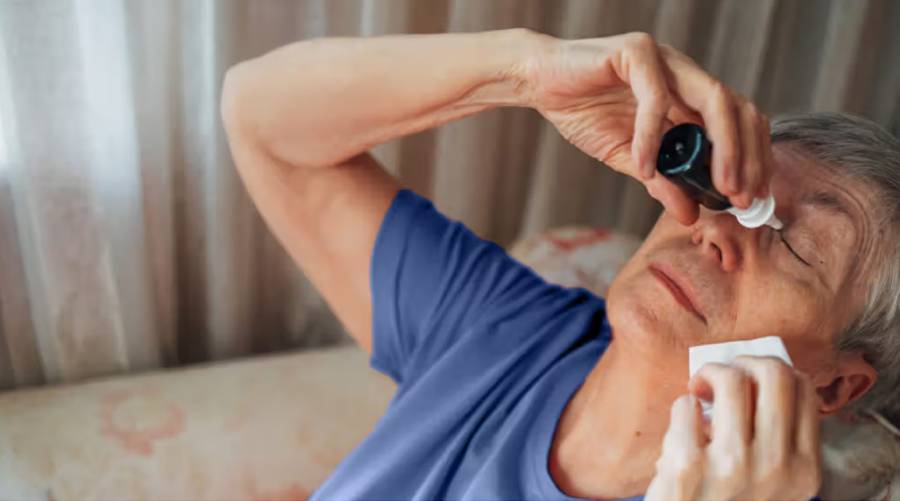
Tired of reading glasses? New eye drop might be the answer!
Millions of people over 40 know the daily struggle — reaching for reading glasses just to check a message, read a menu, or look at a map. But a new breakthrough eye drop could change that.
Researchers at the Center For Advanced Research For Presbyopia in Argentina have unveiled promising results for a new pilocarpine-diclofenac eye drop designed to restore near vision naturally — potentially freeing millions from their dependency on reading glasses.
A new approach to presbyopia
Presbyopia, the age-related condition that makes it hard to see close up, affects an estimated 1.8 billion people worldwide. Traditionally, treatments include reading glasses, bifocals, multifocal contact lenses, or surgeries like LASIK.
You may like to read: Bionic eye progress revealed: How close are we to restore vision?
The new eye drops offer a pharmacological approach. According to lead author Dr. Giovanna Benozzi, the drops help the eye “recover its natural ability to change focus from far to near,” a function gradually lost with age.
How the drops work
The study, presented at the 43rd Congress of the European Society of Cataract and Refractive Surgeons (ESCRS), tested three concentrations of pilocarpine (1%, 2%, 3%) combined with diclofenac on 766 participants.
This unique combination works by:
- Activating the ciliary muscle to restore focusing ability
- Creating a “pinhole effect” in the iris that improves near clarity
- Reducing side effects like headaches and eye strain often caused by pilocarpine alone
Meaningful vision gains
Results showed that most participants could read two to three extra lines on the Jaeger eye chart — a clinically significant improvement.
“Gaining two or three lines means a patient who struggled to read a text message or menu can now do so with ease,” said Dr. Benozzi.
Participants with mild-to-moderate presbyopia even achieved normal near vision (J1–J2), eliminating the need for reading glasses.
Long-lasting effects
The benefits were not short-lived. The vision improvement lasted for a median of 434 days, with some patients maintaining results for up to two years.
Expert insights and caution
While these results are encouraging, experts advise careful use.
- Dr. Benjamin Bert, a US ophthalmologist, noted that the inclusion of diclofenac may help minimize side effects associated with pilocarpine.
- Dr. David Geffen, director of optometric services in California, cautioned that pilocarpine-based drops should be used carefully, especially for those with retina issues or high myopia.
Newer alternatives like aceclidine drops — recently approved in the US — may offer even safer long-term use.
People also read: Effective tips to reduce eye strain from screens and daily activities
What this means for you
If you’re struggling with presbyopia and tired of juggling reading glasses, these new drops could offer a solution. However, experts recommend consulting your ophthalmologist before using any presbyopia treatment.
Further research and international clinical trials will be needed before these drops become widely available — but this development could mark a turning point for millions seeking independence from glasses.
Stay informed and protect your health!
CLICK HERE TO JOIN Medical News Pakistan on WhatsApp for expert tips, health updates, and the latest medical research straight to your phone.

Advertisement
E-PAPER
Trending
Popular
Pakistan’s Dr. Misha Tanveer takes air pollution research to Europe ...
-
Calorie deficit for weight loss: How to ...
06:00 PM, 24 Aug, 2026 -
Vaccine maker warns of wider TBE, ...
05:00 PM, 21 Aug, 2026 -
FDA authorizes first robot to draw ...
06:11 PM, 20 Aug, 2026 -
One blood test for multiple cancers ...
04:52 PM, 11 Aug, 2026
Follow us on Facebook
Follow us on Twitter
Copyright ©2026 Medical News. All Rights Reserved.