
Pakistan faces shortage of female gastroenterologists, delaying diagnosis in women
PGLDS conference warns of poor outcomes as women avoid male doctors; calls made for screening, prevention, and gender-sensitive healthcare
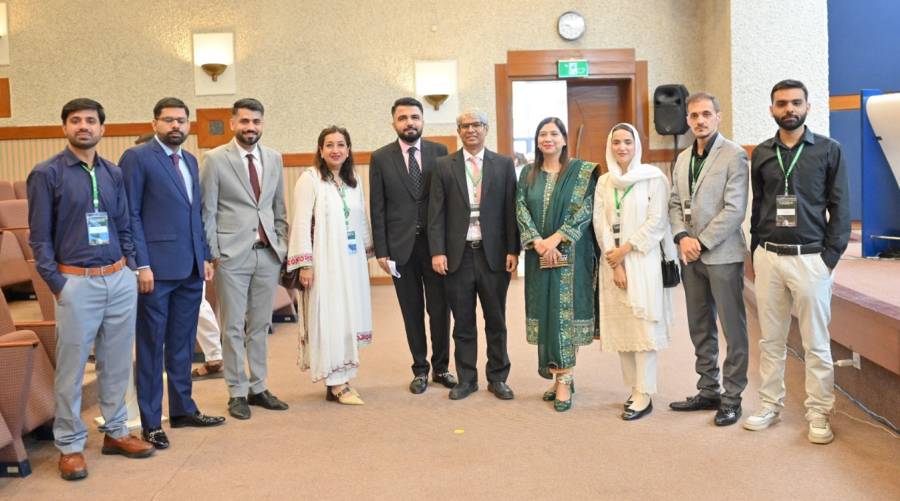
Shortage of female gastroenterologists in Pakistan delaying care for women, PGLDS conference told
KARACHI: A growing shortage of qualified female gastroenterologists in pakistan is delaying the diagnosis and treatment of women suffering from gastrointestinal and liver diseases, experts revealed at the 7th Annual Conference of the Pakistan GI and Liver Disease Society (PGLDS).
Speaking at Liaquat National Hospital in Karachi, local and international specialists raised the alarm over cultural barriers that discourage women from consulting male doctors — forcing many to suffer in silence and seek care only at advanced stages of illness.
Women face barriers to early diagnosis
“Many women are uncomfortable being examined by male doctors, especially in conservative communities,” said Dr. Wajiha Rizwan, President of the Medical Women Association of Pakistan. “This results in late-stage diagnosis of gastrointestinal diseases, when treatment becomes less effective.”
Dr. Wajiha also pointed out that over half of newly graduated female doctors in Pakistan do not enter clinical practice, citing unsafe workplaces and gender discrimination as major deterrents.
Burden of disease on the rise
Dr. Lubna Kamani, President of PGLDS, warned that Pakistan is facing a “tsunami” of non-communicable diseases such as Fatty Liver, Hepatitis C, and Colorectal Cancer. She urged the public to prioritize early screening and lifestyle modification.
“Medicines for hepatitis b and c are available in pakistan, but most people don’t even know they are infected. we need urgent screening and awareness,” she said.
Dr. Nazish Butt, senior member of PGLDS, highlighted the increasing vulnerability of women to gut health issues due to poor diets, sedentary lifestyles, and hormonal changes.
“We are seeing more young women with advanced liver disease. gender-sensitive healthcare and awareness campaigns are critical,” she added.
Lifestyle and prevention must be prioritized
Dr. Sajjad Jamil, secretary general of pglds, emphasized that obesity is the mother of all illnesses. He criticized the dietary habits and lack of physical activity in schools, calling for national colorectal screening and health education programs.
“Children are consuming sugary drinks and junk food from a very young age. We are nurturing disease,” he warned.
International speaker Prof. Eun Young Kim from South Korea shared best practices on preventive care, including nationwide screenings and government-funded awareness programs.
“Most of what we see here is preventable. governments must invest in health promotion, not just treatment,” she stated.
Dr. Shahid Ahmed, Patron of PGLDS, noted that the conference aimed to equip local doctors with global insights into GI and liver diseases.
Sessions on Fatty Liver therapies, Colorectal Cancer screening, endoscopic innovations, and Gut Microbiome research rounded out the second day of the conference, offering participants cutting-edge knowledge in the field.
CLICK HERE TO FOLLOW Medical News Pakistan WhatsApp Channel for the latest developments in medical education, healthcare policy, and expert insights that shape the future of Pakistan’s health sector.

Advertisement
E-PAPER
Trending
Popular
Pakistan’s Dr. Misha Tanveer takes air pollution research to Europe ...
-
Calorie deficit for weight loss: How to ...
06:00 PM, 24 Aug, 2026 -
Vaccine maker warns of wider TBE, ...
05:00 PM, 21 Aug, 2026 -
FDA authorizes first robot to draw ...
06:11 PM, 20 Aug, 2026 -
One blood test for multiple cancers ...
04:52 PM, 11 Aug, 2026
Follow us on Facebook
Follow us on Twitter
Copyright ©2026 Medical News. All Rights Reserved.