HIV outbreak at Karachi's Valika Hospital grows to 95 as another child tests positive
An 18-month-old boy has become the latest confirmed HIV case linked to Karachi's Kulsoom Bai Valika Hospital, taking the total to 95. The development comes just a day after authorities confirmed 16 additional pediatric infections, while the Sindh Ombudsman ordered sweeping reforms and earlier SHCC inspections found persistent infection prevention lapses months after the outbreak first surfaced.
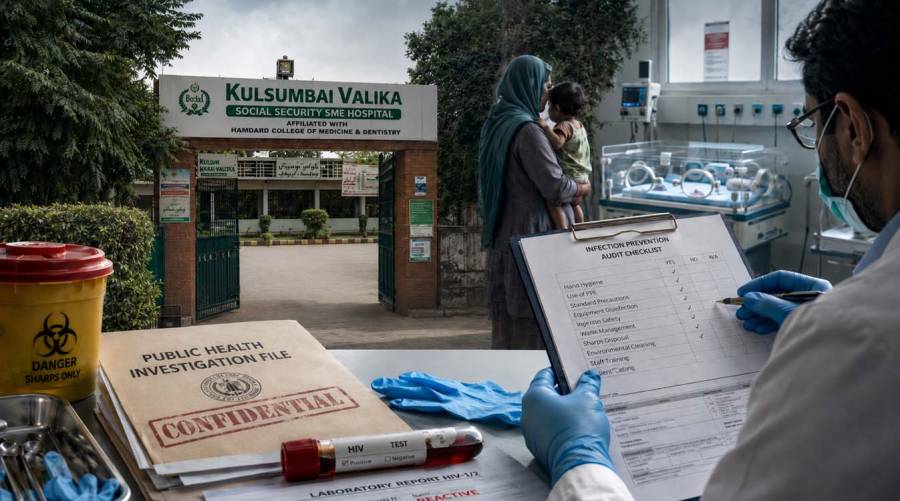
KARACHI: The HIV outbreak linked to Karachi's Kulsoom Bai Valika Hospital continues to deepen as one more child has tested positive for the virus. This has raised the total number of confirmed infections to 95, intensifying concerns over persistent infection control failures and whether measures taken to contain the outbreak have been sufficient.
Health officials confirmed that the latest patient, 18-month-old Abdul Samad, is linked to the ongoing outbreak associated with the hospital. His father said the child received treatment at Valika Hospital in December 2025 and continued suffering from persistent health problems after discharge. Subsequent medical testing confirmed the HIV infection.
The father said he has five children and now plans to have the remaining four tested to determine whether they have also been exposed.
Tragically, the outbreak has already claimed nine young lives, underscoring the devastating human toll of the crisis.
The latest case comes just a day after authorities confirmed 16 additional pediatric HIV infections, marking one of the largest single-day increases since the outbreak first came to light.
Sindh Ombudsman orders sweeping reforms
The confirmation of the additional cases came during a hearing chaired by Sindh Ombudsman Mohammad Sohail Rajput, attended by senior officials from the Sindh Employees' Social Security Institution (SESSI), the Labour Department, Kulsoom Bai Valika Hospital, medical advisers and parents of affected children.
During the proceedings, officials informed the ombudsman that 16 more children had tested positive for HIV and warned that additional infections could still be identified as investigations continue.
Parents of affected children voiced serious concerns over what they described as poor cooperation by hospital management, shortages of medicines, delays in reimbursement of treatment expenses and inadequate administrative support during one of Sindh's most serious healthcare crises.
Expressing dissatisfaction with the hospital's handling of the situation, the Sindh Ombudsman directed authorities to implement several immediate measures aimed at improving patient care, accountability and administrative oversight.
Among the key directives were the deployment of trained healthcare staff according to operational needs, consideration of deputing infectious disease specialists from the Sindh Infectious Diseases Hospital for six months, uninterrupted provision of medicines, dietary supplements and other essential supplies, appointment of a reputable audit firm within two weeks to conduct a comprehensive financial audit, rehabilitation plans for affected families, compensation for families of children who died, psychological support for infected children and their families, reinstatement of workers who reportedly lost employment while caring for their infected children, establishment of a dedicated hospital help desk, and province-wide public awareness campaigns on HIV prevention, diagnosis and treatment.
Rajput also observed that apparent financial and administrative shortcomings within the hospital may have contributed to the crisis and adjourned the hearing for two weeks while directing authorities to report progress.
SHCC inspection had already identified serious infection control deficiencies
The latest developments follow a recent follow-up inspection by the Sindh Healthcare Commission (SHCC), which found that several critical infection prevention recommendations remained unimplemented despite months of regulatory scrutiny.
Inspectors reported continued deficiencies in infection prevention and control (IPC), including unsafe handling and disposal of used needles, inadequate medical waste management, absence of formal infection control training for healthcare workers, lack of documented IPC guidelines and inability to verify proper sterilization procedures.
The inspection team also noted deficiencies in operating theatre infection control practices and reported that key nursing and theatre staff were unavailable during parts of the inspection, limiting assessment of routine infection prevention measures.
Although the hospital had established an Infection Prevention and Control Committee and initiated procurement of colour-coded waste bins and auto-disable syringes, the SHCC concluded that many of its earlier recommendations had yet to be fully implemented.
The commission said its detailed findings would be forwarded to the relevant authorities together with recommendations for further regulatory action.
Outbreak that continues to raise difficult questions
Kulsoom Bai Valika Hospital first came under national scrutiny in late 2025 after multiple children undergoing dialysis tested positive for HIV.
Subsequent investigations linked the outbreak to unsafe infection prevention practices, triggering disciplinary proceedings, regulatory inspections and broader calls for healthcare reforms across Sindh.
Months later, however, new infections continue to emerge.
The confirmation of another HIV-positive child, together with the 16 cases announced a day earlier, has raised fresh concerns over whether existing interventions have been sufficient to contain the outbreak and protect vulnerable patients.
Patient safety requires sustained action
Healthcare experts consistently emphasize that preventing healthcare-associated infections requires continuous compliance with internationally accepted Infection Prevention and Control (IPC) standards.
These include safe injection practices, proper sterilization of medical equipment, effective medical waste disposal, regular staff training, strict clinical supervision and ongoing regulatory monitoring.Each new HIV diagnosis serves as a painful reminder that the consequences of the outbreak are still unfolding. For affected families, the crisis is measured not in statistics but in children who now require lifelong treatment and in the nine young lives already lost. As official investigations continue, the growing number of cases is likely to intensify calls for accountability, stronger regulatory enforcement and meaningful reforms to protect patients across Sindh's healthcare system.
Stay informed, stay alert!
CLICK HERE TO JOIN Medical News Pakistan on WhatsApp for real-time health alerts, expert insights, and breakthrough medical discoveries.

Advertisement
E-PAPER
Trending
Popular
Pakistan’s Dr. Misha Tanveer takes air pollution research to Europe ...
-
Calorie deficit for weight loss: How to ...
06:00 PM, 24 Aug, 2026 -
Vaccine maker warns of wider TBE, ...
05:00 PM, 21 Aug, 2026 -
FDA authorizes first robot to draw ...
06:11 PM, 20 Aug, 2026 -
One blood test for multiple cancers ...
04:52 PM, 11 Aug, 2026
Follow us on Facebook
Follow us on Twitter
Copyright ©2026 Medical News. All Rights Reserved.