
Weekend habits may worsen obstructive sleep apnea symptoms
Experts warn that late nights, alcohol, and irregular weekend routines can increase the risk of “social apnea,” a condition linked to worsening sleep apnea symptoms.
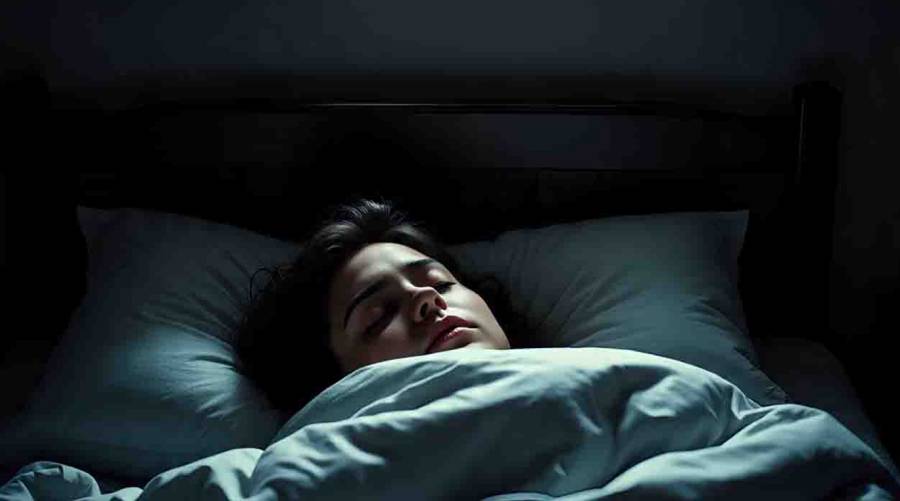
Weekend habits and “social apnea”: How irregular sleep patterns worsen obstructive sleep apnea
Obstructive sleep apnea (OSA) symptoms may worsen on weekends due to late nights, alcohol consumption, and inconsistent sleep routines, according to a large international study led by researchers at Flinders University.
The study, which analyzed data from more than 70,000 people, found participants were 18% more likely to experience moderate to severe OSA on weekends, especially on Saturdays, compared with weekdays. Researchers coined the term “social apnea” to describe this trend, pointing to lifestyle behaviors that disrupt healthy sleep cycles.
Why symptoms worsen on weekends
Experts say irregular weekend routines mimic a phenomenon called “social jetlag”, which throws off the body’s circadian rhythm.
- Late nights and alcohol: These habits relax throat muscles and push more sleep into early-morning REM cycles, when OSA tends to be more severe.
- Sleeping in: Extending sleep by 45 minutes or more on weekends was found to increase the risk of worsening OSA by 47%.
- Skipping therapy: Adherence to treatments such as CPAP machines may drop on weekends, further worsening symptoms.
Sleep specialist Lindsey Hanna explained:
“Your body clock thrives on predictability, and when you shift your schedule by several hours, your sleep becomes lighter and more fragmented.”
Health impact of irregular sleep
Even for people without diagnosed OSA, disrupted weekend routines can impact overall health and wellbeing.
Physical effects: Poor sleep disrupts hormones like leptin and ghrelin, increasing appetite, cravings, and gradual weight gain — a risk factor for OSA.
Cognitive, emotional effects: Lack of quality sleep reduces focus, affects mood, and weakens emotional regulation, impacting relationships and productivity.
Long-term risks: Chronic sleep disruption can increase the likelihood of cardiovascular issues, obesity, and metabolic disorders.
How to improve sleep quality on weekends
Experts recommend small but effective lifestyle adjustments:
- Maintain a consistent wake-up time, even on weekends.
- Limit weekend sleep-ins; instead, take short naps (under 30 minutes) to recover.
- Alternate alcoholic drinks with water to reduce dehydration and airway relaxation.
- Finish large meals 2–3 hours before bed to improve digestion and prevent reflux.
- Schedule lighter activities after late nights to allow for recovery.
Psychotherapist Heather Darwall-Smith emphasized:
“Sleep health isn’t just a medical issue, it’s relational. Small weekend changes can protect not only your health but also the quality of your time with loved ones.”
Stay updated with Medical News Pakistan
CLICK HERE TO JOIN Medical News WhatsApp community to get the latest updates on global health guidelines, medical research, and expert insights directly on your phone.

Advertisement
E-PAPER
Trending
Popular
Pakistan’s Dr. Misha Tanveer takes air pollution research to Europe ...
-
Calorie deficit for weight loss: How to ...
06:00 PM, 24 Aug, 2026 -
Vaccine maker warns of wider TBE, ...
05:00 PM, 21 Aug, 2026 -
FDA authorizes first robot to draw ...
06:11 PM, 20 Aug, 2026 -
One blood test for multiple cancers ...
04:52 PM, 11 Aug, 2026
Follow us on Facebook
Follow us on Twitter
Copyright ©2026 Medical News. All Rights Reserved.