
Potassium-rich diet may lower depression risk, new study finds
A large cross-national study reveals that higher potassium, zinc, and sodium intake could play a protective role against depression.
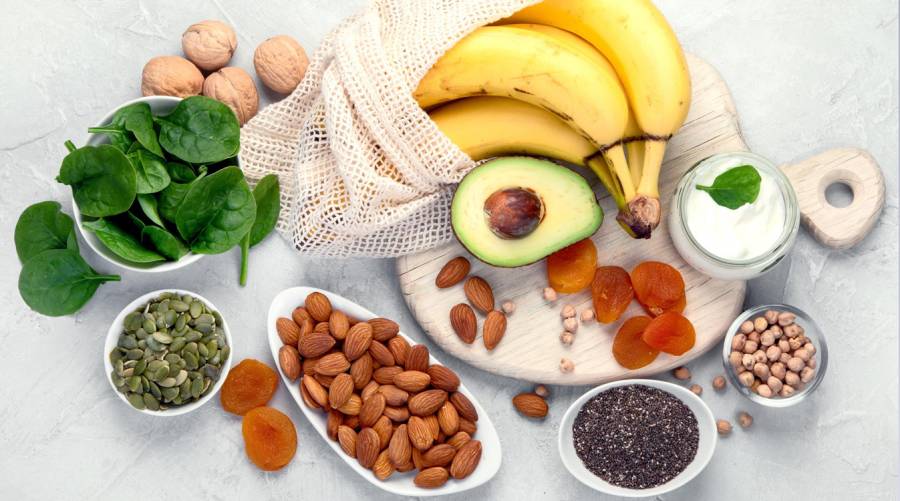
Potassium-rich diet linked to lower depression risk
Depression affects around 5% of the world’s adult population, according to the World Health Organization (WHO). While treatments such as medications and therapy remain essential, new research suggests that a potassium-rich diet may also help reduce depression risk.
A study published in Nutrients analyzed health data from more than 22,000 participants in South Korea and the United States. Researchers focused on seven essential minerals — potassium, zinc, sodium, magnesium, calcium, phosphorus, and iron — to evaluate their potential link with depression.
Lead researcher Min-Sun Kim, from Kyung Hee University, explained that dietary factors are increasingly recognized as important contributors to mental health. “Our findings show that individuals with higher potassium intake had a significantly lower risk of depression,” Kim noted.
The study highlighted three minerals in particular — potassium, zinc, and sodium — as showing consistent protective effects. Potassium-rich foods such as bananas, spinach, sweet potatoes, beans, and avocados may therefore play a supportive role in maintaining mental well-being.
While the results are promising, experts caution that diet alone cannot replace medical treatment for depression. Instead, a balanced diet should be seen as a preventive and complementary strategy alongside professional care.
The researchers concluded that improving mineral intake through dietary guidance could become a cost-effective public health approach to reduce the burden of depression worldwide.
Stay updated with Medical News Pakistan
CLICK HERE TO JOIN Medical News WhatsApp community to get the latest updates on global health guidelines, medical research, and expert insights directly on your phone.
Advertisement
E-PAPER
Trending
Popular
Pakistan’s Dr. Misha Tanveer takes air pollution research to Europe ...
-
Calorie deficit for weight loss: How to ...
06:00 PM, 24 Aug, 2026 -
Vaccine maker warns of wider TBE, ...
05:00 PM, 21 Aug, 2026 -
FDA authorizes first robot to draw ...
06:11 PM, 20 Aug, 2026 -
One blood test for multiple cancers ...
04:52 PM, 11 Aug, 2026
Follow us on Facebook
Follow us on Twitter
Copyright ©2026 Medical News. All Rights Reserved.