China launches urgent probe into diaper chemical flagged for possible reproductive, fetal health risks
Authorities have launched an urgent investigation after reports of a potentially harmful chemical found in infant diapers, triggering public concern and industry pushback from major brands.
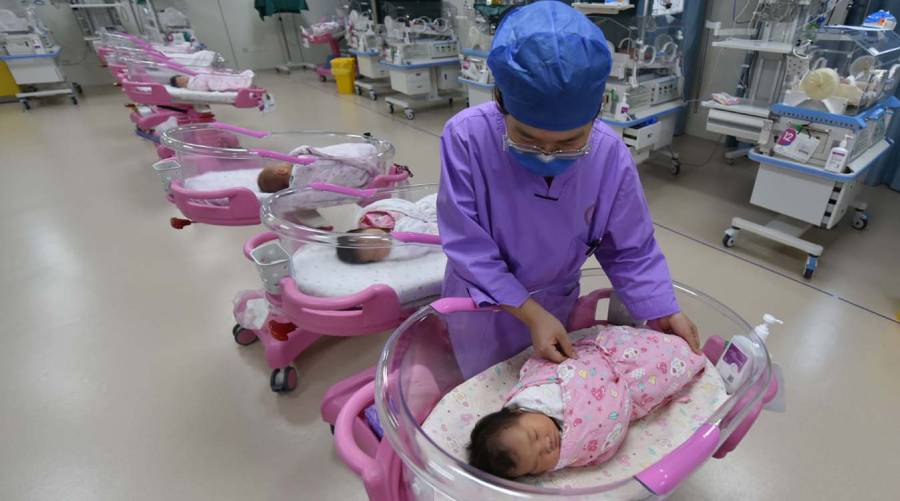
BEIJING: China has launched a nationwide investigation into infant diapers after reports alleging the presence of formamide, a potentially harmful chemical, sparked widespread concern among parents and raised questions about product safety standards.
The inquiry, announced by China's State Administration for Market Regulation (SAMR), involves several agencies, including the Ministry of Industry and Information Technology, the National Health Commission, and the national disease control authority, reflecting the seriousness with which authorities are treating the issue.
The move comes days after an investigation published by China's Economic Information Daily alleged that laboratory tests had detected formamide in some popular baby diaper products and that traces of the substance had also been found in biological samples from certain infants, igniting heated discussions across Chinese social media.
Why did Chinese authorities launch the investigation?
The controversy began after consumer complaints linked some diaper products to persistent diaper rash, skin irritation, and recurring redness in infants. An investigative report commissioned independent testing and alleged the presence of formamide in products from several brands, prompting regulators in multiple cities to begin sampling and verification procedures.
Authorities have not yet confirmed the findings, and the current investigation aims to determine whether contamination occurred, how widespread it may be, and whether existing manufacturing and regulatory standards need revision.
Which diaper brands have been mentioned?
Reports have focused on products sold under the Babycare, Huggies, and Bibabebe brands.
However, all three companies have strongly denied the allegations.
According to Chinese media, the companies said internal and third-party laboratory testing conducted under European REACH standards found no detectable formamide in the products tested. They also announced additional product reviews and independent verification procedures.
At this stage, regulators have not announced any recalls or confirmed violations.
What is formamide?
Formamide is a colorless liquid chemical used in industrial and laboratory applications, including pharmaceuticals, chemical manufacturing, and certain plastics and adhesives.
The European Chemicals Agency (ECHA) classifies formamide as a substance of very high concern because of its potential reproductive toxicity. Long-term or repeated exposure in experimental studies has been associated with harmful effects on fertility and fetal development.
Because of these concerns, the chemical is subject to strict regulation in Europe and is prohibited in several consumer applications.
How could formamide end up in diapers?
Experts say formamide is not intentionally added to baby diapers.
Instead, it may appear as an unintended byproduct originating from certain industrial foams, adhesives, dyes, solvents, or manufacturing materials used during production.
If confirmed, investigators will likely attempt to identify whether contamination arose from raw materials, production processes, or supply chain issues.
Can formamide harm babies?
Scientists emphasize that toxicity depends heavily on dose and duration of exposure.
Research has primarily linked long-term and repeated exposure to reproductive toxicity and possible liver and kidney effects.
Because babies have thinner skin, immature detoxification systems, and prolonged contact with diapers, pediatric health experts generally recommend minimizing unnecessary exposure to potentially hazardous chemicals.
However, experts caution that the current reports do not establish that diaper use caused any illness, and no direct causal relationship has yet been confirmed.
The ongoing investigation will seek to answer these critical questions.
Could there be effects on mothers and caregivers?
Health experts say occasional handling of diapers is unlikely to pose significant risks.
The primary concern, if contamination exists, would involve prolonged and repeated exposure among infants rather than parents.
Nevertheless, researchers note that unnecessary chemical exposure throughout the environment remains an important public health issue.
What about environmental concerns?
Environmental scientists have increasingly raised concerns over chemical residues in disposable hygiene products.
Although the environmental impact of formamide contamination in diapers remains unclear, improper disposal of chemically contaminated products could potentially contribute to soil and water pollution.
The case has renewed discussions about strengthening chemical safety oversight throughout the supply chain.
Why this investigation matters beyond China
The diaper industry is one of the world's largest consumer product sectors, with millions of babies using disposable diapers every day.
The controversy highlights a broader challenge facing regulators worldwide: ensuring that emerging contaminants and unintended byproducts are adequately monitored even when existing standards do not specifically require testing for certain chemicals.
Consumer safety experts say the case underscores the importance of transparent testing, independent oversight, and continual updates to safety standards.
What happens next?
Chinese authorities are expected to conduct extensive sampling and laboratory analyses before reaching conclusions.
The investigation may eventually determine:
• Whether formamide is present in infant diapers
• The concentration levels involved
• Potential sources of contamination
• Whether existing standards require revision
• If additional safety measures or recalls are needed
Until official findings are released, experts advise parents not to panic but to follow updates from regulators and healthcare authorities rather than relying on unverified social media claims.
For now, the controversy has become one of China's most closely watched consumer health investigations, with implications that may extend far beyond the country's borders.
Stay informed, stay alert
CLICK HERE TO JOIN Medical News Pakistan on WhatsApp for real-time health alerts, expert insights, and breakthrough medical discoveries.

Advertisement
E-PAPER
Trending
Popular
Pakistan’s Dr. Misha Tanveer takes air pollution research to Europe ...
-
Calorie deficit for weight loss: How to ...
06:00 PM, 24 Aug, 2026 -
Vaccine maker warns of wider TBE, ...
05:00 PM, 21 Aug, 2026 -
FDA authorizes first robot to draw ...
06:11 PM, 20 Aug, 2026 -
One blood test for multiple cancers ...
04:52 PM, 11 Aug, 2026
Follow us on Facebook
Follow us on Twitter
Copyright ©2026 Medical News. All Rights Reserved.