Pediatric HIV crisis deepens in Sindh as PMA calls surge a national emergency
More than 100 new child HIV cases reported in Karachi in 2025 alone, prompting urgent demands for accountability, audits, and strict enforcement of infection control laws
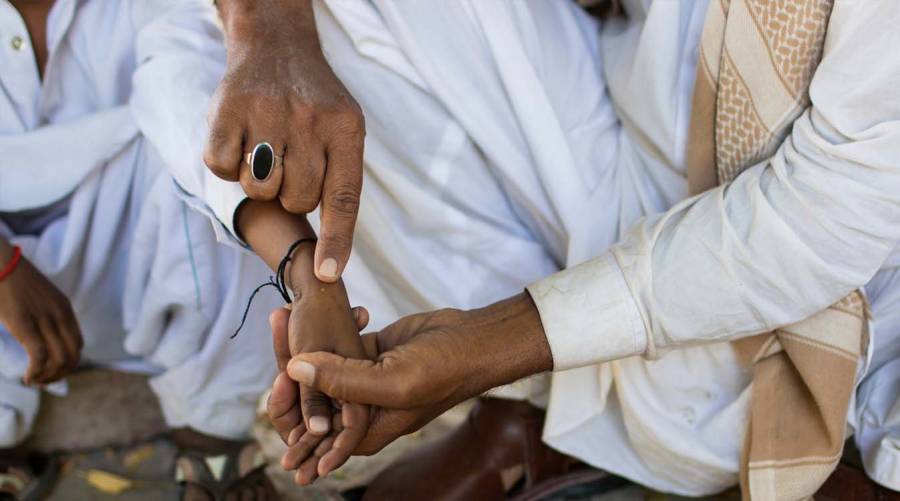
PMA warns of worsening pediatric HIV crisis in Sindh, demands urgent action
KARACHI: The Pakistan Medical Association (PMA) has issued a stark warning over what it describes as a rapidly worsening pediatric HIV crisis in Sindh, calling the situation a “national emergency” with far-reaching health, social, and economic consequences. The association says the continued rise in HIV infections among children reflects deep systemic failures that can no longer be ignored.
According to data highlighted by the PMA, more than 100 new pediatric HIV cases have been reported in Karachi during 2025 alone. Province-wide, the number of registered HIV-positive children in Sindh has now reached 3,995. Medical experts warn these figures may only represent the visible portion of a much larger problem, as stigma and fear continue to keep many families from seeking testing and treatment.
In a strongly worded statement, the PMA questioned the performance of the Sindh AIDS Control Programme (SACP) and the provincial Health Department, noting that critical gaps remain unresolved even years after the devastating HIV outbreak in Ratodero in 2019. That outbreak, which primarily affected children, was expected to trigger sweeping reforms in infection prevention and healthcare oversight. According to the PMA, those reforms never truly materialized.
“This crisis has moved beyond the health sector,” the association warned, adding that unchecked pediatric HIV transmission now poses a direct threat to societal stability.
The PMA demanded an immediate, independent, and transparent audit of the SACP and all related institutions involved in HIV prevention and control.
The association also raised serious questions about accountability, asking how billions of rupees in funding and years of international support failed to protect children, particularly within healthcare settings where infections should be preventable. Unsafe medical practices, syringe reuse, poor waste disposal, unregulated blood banks, and unchecked quackery were cited as ongoing drivers of transmission.
Beyond hospitals and clinics, the human toll of pediatric HIV continues to deepen. Families affected by HIV-positive children often face lifelong treatment costs, loss of income, and mounting debt, pushing many into extreme poverty. At the same time, stigma remains a powerful and destructive force. Reports of children being denied school admissions and families facing social isolation are common, forcing many parents to hide diagnoses rather than seek timely care.
You may like to read: UNDP, Pakistan renew call to end AIDS amid global disruptions
Public health experts warn that if the crisis is not urgently addressed, Pakistan risks raising a generation of marginalized youth with limited access to education, healthcare, and employment. The long-term economic burden, they caution, could be devastating for an already strained health system and economy.
To curb the spread of HIV and address its root causes, the PMA has urged the Sindh government and federal authorities to take decisive action. Key recommendations include an immediate audit of the SACP and a review of funding gaps and the stagnation of the National AIDS Control Programme. The association also called for strict enforcement of laws against quackery, including the closure of illegal clinics and unregistered blood banks.
People also read: Criminal negligence uncovered in HIV/AIDS outbreak linked to Nishtar Hospital dialysis unit
Additional measures proposed include province-wide monitoring of barbershops and salons to ensure a complete ban on reused blades, criminal prosecution of individuals and facility owners whose negligence contributes to HIV transmission, and full enforcement of the Sindh HIV and AIDS Control Treatment and Protection Act to eliminate discrimination in schools and workplaces. The PMA also stressed the need for strict regulation of hospital waste disposal and a zero-tolerance policy on syringe reuse.
“Pakistan has the second-fastest-growing HIV epidemic in the Asia-Pacific region,” the PMA warned. “Silence and administrative apathy are no longer options. Those responsible for this negligence must be held accountable. If decisive action is not taken today, the social and economic cost tomorrow will be unbearable.”
For sustained impact, health experts emphasize that stronger surveillance, community awareness, safe medical practices, and political will must work together. Without urgent reforms, the pediatric HIV crisis in Sindh is likely to worsen, with consequences that extend far beyond the healthcare system.
Stay informed, stay ahead!
CLICK HERE TO JOIN Medical News Pakistan on WhatsApp for latest stories, expert tips, health updates, and the medical research straight to your phone.

Advertisement
E-PAPER
Trending
Popular
Pakistan’s Dr. Misha Tanveer takes air pollution research to Europe ...
-
Calorie deficit for weight loss: How to ...
06:00 PM, 24 Aug, 2026 -
Vaccine maker warns of wider TBE, ...
05:00 PM, 21 Aug, 2026 -
FDA authorizes first robot to draw ...
06:11 PM, 20 Aug, 2026 -
One blood test for multiple cancers ...
04:52 PM, 11 Aug, 2026
Follow us on Facebook
Follow us on Twitter
Copyright ©2026 Medical News. All Rights Reserved.