
Minimally processed foods help double weight loss compared to ultra-processed diets, study finds
A new Nature Medicine study reveals that people who eat fewer ultra-processed foods lose twice as much weight, consume fewer calories, and report fewer cravings.
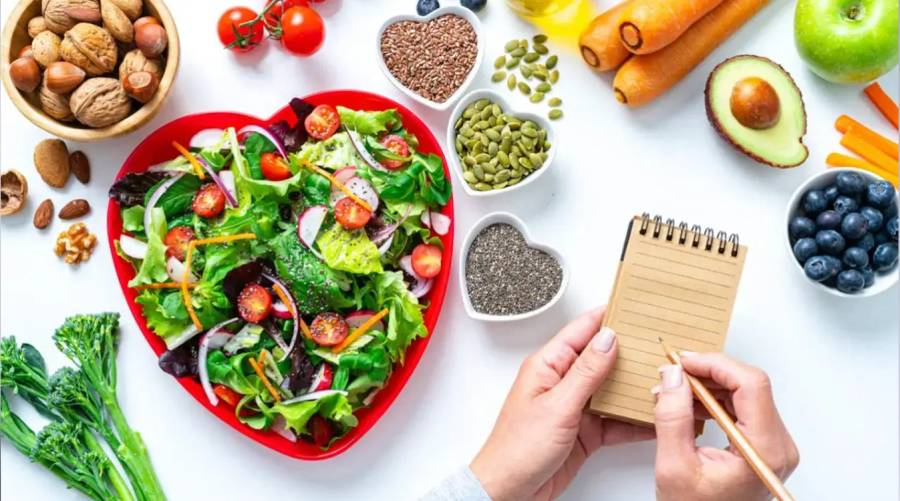
Minimally processed foods linked to greater weight loss in new clinical trial
A new study published in Nature Medicine has confirmed that people who eat minimally processed foods lose significantly more weight compared to those consuming ultra-processed foods — even when both groups follow a balanced diet.
Researchers found that participants on a minimally processed diet shed twice as much weight, consumed fewer daily calories, and reported fewer food cravings.
Key findings from the study
The clinical trial involved 55 participants who were randomly assigned to either a minimally processed foods group or an ultra-processed foods group for 8 weeks, both based on the UK Eatwell Guide.
- Individuals eating minimally processed foods lost 2% of their body weight, averaging a daily calorie reduction of 289.9 calories.
- Those on ultra-processed foods lost just 1% of their body weight, with an average reduction of 119.5 calories per day.
- Researchers estimate that over one year, this difference could amount to a 13% weight loss in men and 9% in women.
- Participants consuming fewer processed foods also reported greater control over cravings.
- After a 4-week washout period, participants switched groups, and results were consistent, strengthening the reliability of the findings.
Expert insights
Michelle Routhenstein, MS, RD, CDCES, CDN, a preventive cardiology dietitian at EntirelyNourished, noted that the trial’s free-living setup made the findings more realistic but also introduced variables, meaning the results should be interpreted with caution.
She highlighted that while ultra-processed foods are often linked to poor health outcomes, the study revealed an unexpected finding: participants on an ultra-processed diet had lower LDL (“bad”) cholesterol levels, possibly due to the specific foods included, such as those fortified with cholesterol-lowering nutrients.
Dr. Mir Ali, MD, medical director of the MemorialCare Surgical Weight Loss Center, emphasized that the best long-term approach to weight management involves reducing sugars and refined carbohydrates while increasing protein and non-starchy vegetables. He advised minimizing ultra-processed foods due to additives and potential negative health impacts.
Why minimally processed foods work better
The study suggests that diets rich in minimally processed foods enhance satiety, lower overall calorie intake, and support better metabolic outcomes. Experts warn, however, that not all ultra-processed foods are the same, and nutritional quality matters as much as the level of processing.
Overall, the findings add weight to the growing body of evidence that choosing less processed, nutrient-dense foods can significantly improve weight loss outcomes and long-term health.
Stay informed. Stay ahead.
CLICK HERE TO FOLLOW Medical News Pakistan WhatsApp Channel for trusted healthcare updates, expert insights, clinical research, policy news, and medical breakthroughs—delivered directly to you.
Advertisement
E-PAPER

Trending
Popular
Pakistan’s Dr. Misha Tanveer takes air pollution research to Europe ...
-
Calorie deficit for weight loss: How to ...
06:00 PM, 24 Aug, 2026 -
Vaccine maker warns of wider TBE, ...
05:00 PM, 21 Aug, 2026 -
FDA authorizes first robot to draw ...
06:11 PM, 20 Aug, 2026 -
One blood test for multiple cancers ...
04:52 PM, 11 Aug, 2026
Follow us on Facebook
Follow us on Twitter
Copyright ©2026 Medical News. All Rights Reserved.

