
Does white noise really help you sleep better? Exploring its benefits and alternatives in 2025
Discover whether white noise can improve your sleep quality and explore alternative "colors" of noise like pink and brown noise for better rest.
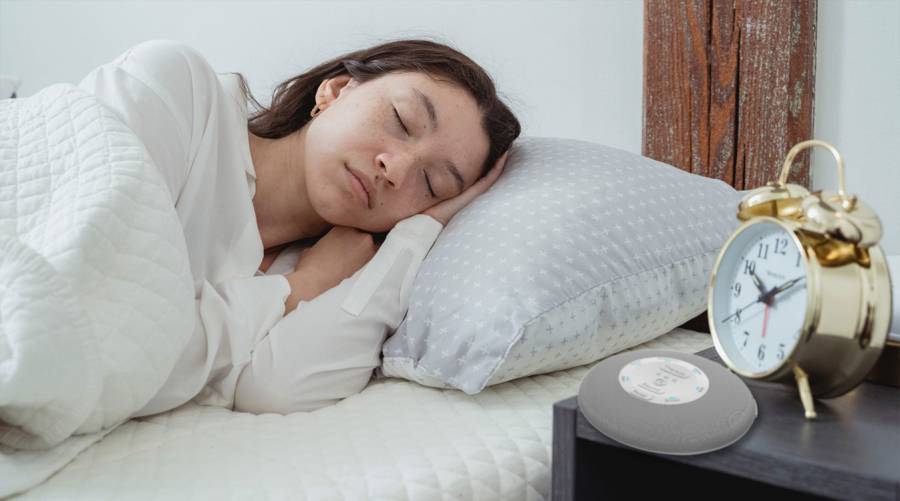
Can white noise help you sleep better? Here’s what the research says
For many people, the neutral hum of white noise has become a nightly ritual, helping them block out distractions and fall asleep faster. But does it truly aid in better sleep quality? The idea of using sound to improve sleep is not new, with white noise being one of the most commonly used tools. However, the evidence surrounding its effectiveness remains mixed, and there are alternative options to explore, such as pink and brown noise.
In this article, we’ll dive into what white noise is, its potential benefits and drawbacks, and how other "colors" of noise might impact your sleep.
What is white noise? Understanding the basics
White noise is often likened to the static sound produced by an untuned radio. Technically, it refers to a consistent sound that includes all audible frequencies mixed together. The sound is equally distributed across all frequencies, creating a steady "shh" or humming noise. It is this consistency that is believed to mask other environmental sounds, such as traffic, snoring, or even noisy neighbors, helping some individuals sleep better.
White noise is popular for its potential to create a soothing, monotonous sound environment that can cue your brain to relax and prepare for sleep.
Can white noise actually improve sleep quality?
While white noise is a widely-used tool for sleep, research on its actual benefits has shown varied results. Some studies suggest that white noise can be helpful, especially in noisy environments where external sounds disrupt sleep. It is believed to mask these disruptive noises, creating a more consistent sound environment conducive to sleep.
A study conducted on infants and children demonstrated that white noise might reduce heart rate and respiratory rate, effectively helping individuals drift off to sleep more easily. Dr. Sogol Javaheri, an expert in sleep disorders, notes that this effect can be particularly beneficial in young children.
However, a systematic review published in Sleep Medicine Reviews found that white noise had little overall impact on improving sleep. While it might help individuals fall asleep initially, it’s not necessarily beneficial for maintaining sleep throughout the night.
The potential drawbacks of white noise for sleep
Despite its popularity, white noise may not always be the best solution for sleep. Dr. Javaheri warns that prolonged exposure to white noise can interfere with important sleep stages, such as REM sleep and deep sleep. Additionally, if the noise is too loud, it may affect hearing or cause sleep disturbances.
If you choose to use a white noise machine, it’s essential to adjust the volume to a level comparable to a background conversation. You can also experiment with using it only as a sleep aid during the initial stages of falling asleep, rather than leaving it on throughout the night.
Alternative noise colors: Pink and brown noise
While white noise is the most commonly known noise color, there are other alternatives that might be worth exploring for better sleep.
Pink noise: A deeper, more soothing option
Pink noise differs from white noise in that it contains more intense, lower frequencies, giving it a deeper, more soothing sound. Common examples of pink noise include the sound of rainfall or a waterfall. Some research suggests that pink noise can enhance deep sleep, particularly in older adults. In addition to improving sleep quality, pink noise has been linked to cognitive benefits, such as better memory retention.
A study on pink noise demonstrated that it can help decrease the time it takes to fall asleep and improve overall sleep quality, especially when the timing of the noise is adjusted during the night.
Brown noise: The deepest of the noise colors
Brown noise takes things a step further by reducing higher frequencies even more than pink noise. This results in a deeper, rougher sound. Brown noise is often compared to the sound of ocean waves crashing, which provides a more intense, grounding auditory experience. Though research on brown noise is still limited, some users find it effective for relaxation and sleep.
Dr. Javaheri suggests that, while more data is needed on the specific benefits of brown noise, it could be helpful to use it for a short period if it helps you fall asleep more quickly.
Tips for using white noise and other colors for better sleep
If you decide to incorporate noise into your sleep routine, here are a few tips to maximize its benefits:
- Choose the right volume: Whether you opt for white, pink, or brown noise, ensure that the noise level is not too loud. The ideal volume should be no louder than a background conversation to avoid disturbing your hearing or sleep quality.
- Experiment with timing: If you’re using a white noise machine, consider setting a timer to turn it off once you’ve fallen asleep. Continuous noise throughout the night may not be necessary and could interrupt deeper sleep stages.
- Try different colors of noise: If white noise doesn’t seem to be working for you, consider trying pink or brown noise. These options may provide a more soothing sound for some individuals and potentially enhance deep sleep.
- Monitor sleep quality: Keep track of how your sleep quality changes when using different types of noise. This will help you determine what works best for you.
Conclusion: Should you use white noise for sleep?
While there is some evidence suggesting that white noise may help you fall asleep faster by masking external sounds, its overall impact on sleep quality is still debated. It may not always be beneficial, especially if the volume is too high or if it interferes with REM or deep sleep stages.
If white noise doesn’t seem to be the right fit, consider trying pink or brown noise. These alternative sounds may offer deeper, more soothing experiences that promote better rest.
Ultimately, the effectiveness of white noise and other colors of noise will vary from person to person. Experiment with different sounds, volumes, and timing to find the optimal solution for your sleep.

Advertisement
E-PAPER

Trending
Popular
Pakistan’s Dr. Misha Tanveer takes air pollution research to Europe ...
-
Calorie deficit for weight loss: How to ...
06:00 PM, 24 Aug, 2026 -
Vaccine maker warns of wider TBE, ...
05:00 PM, 21 Aug, 2026 -
FDA authorizes first robot to draw ...
06:11 PM, 20 Aug, 2026 -
One blood test for multiple cancers ...
04:52 PM, 11 Aug, 2026
Follow us on Facebook
Follow us on Twitter
Copyright ©2026 Medical News. All Rights Reserved.