
You have diabetes! Should you avoid fruits?
Fruits contain sugar—but should they be off your plate if you have diabetes? Discover the healthiest way to enjoy fruits without spiking your blood sugar.
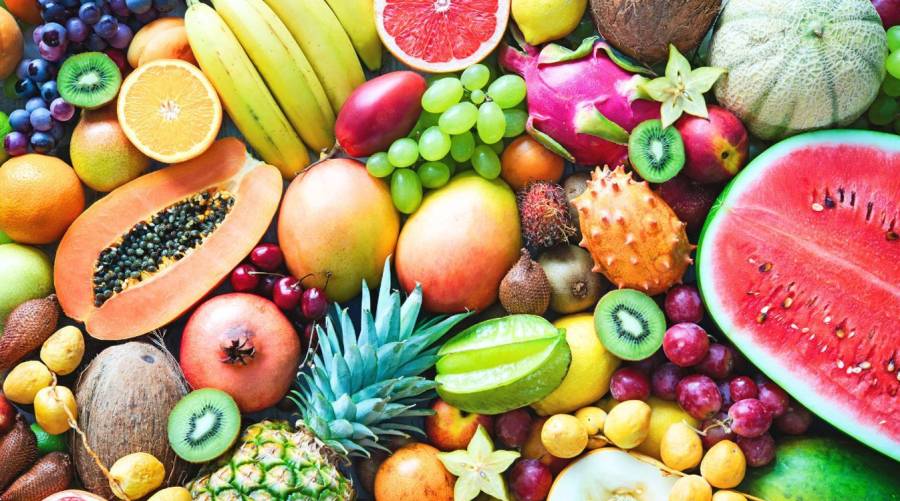
You have diabetes! Should you avoid fruits?
Being diagnosed with diabetes often brings a flood of dietary questions—one of the most common being: Should I stop eating fruits because they contain sugar? It’s a fair concern. After all, managing blood sugar is a cornerstone of diabetes care. But the reality is far more balanced—and hopeful.
Contrary to popular myths, fruits are not the enemy of people living with diabetes. In fact, when consumed thoughtfully and in the right portions, fruits can be powerful allies in your diabetes management plan.
The sugar story: Natural vs added
Fruits naturally contain sugar—mostly fructose—but they also offer fiber, vitamins, minerals, and antioxidants. Unlike processed sweets, fruits do not contain added sugars and their fiber slows down the absorption of glucose, preventing dangerous spikes in blood sugar.
The National Institute of Diabetes and Digestive and Kidney Diseases (NIDDK) and the American Diabetes Association (ADA) both encourage the inclusion of fruit as part of a healthy, balanced diet. But like all carbohydrates, fruits should be eaten in moderation and with awareness of their sugar and carb content.
Carbs in fruits: Understanding the numbers
All fruits contain carbohydrates, which directly impact blood glucose levels. That doesn’t mean they’re off-limits—it just means they require portion control. Here's a glance at the carb content per 100 grams of some popular fruits:
- Red grapes: 20.2g
- Bananas: 20.1g
- Fuji apples: 15.6g
- Mangoes: 15g
- Pineapples: 13.1g
If you're managing diabetes with a low-carb approach, fruits should be factored into your daily carb budget, just like bread, rice, or pasta.
Fruits to be cautious with—but not fear
Some fruits have higher sugar content and a higher glycemic index, which means they may raise blood glucose levels faster. These include:
- Watermelons
- Overripe bananas
- Pineapples
- Mangoes
These fruits are not forbidden—but should be consumed in controlled portions and ideally paired with a healthy fat or protein, such as nuts, Greek yogurt, or nut butter, to slow digestion and prevent blood sugar spikes.
Dried fruits and fruit juices: Handle with care
Fruit juices, even 100% pure, are concentrated sources of sugar with little to no fiber. They cause rapid spikes in blood glucose and are best avoided or consumed in very small quantities with meals.
Dried fruits like raisins, apricots, and dates retain nutrients but lose water, resulting in higher sugar concentration per bite. Stick to small portions (like 1 tablespoon of raisins) and avoid products with added sugars.
Best fruits for people with diabetes
Focus on low to medium glycemic index fruits that are high in fiber and water content:
- Apples
- Berries (strawberries, blackberries, raspberries)
- Oranges
- Pears
- Peaches
- Plums
- Avocados (low in carbs, high in healthy fats)
- Cantaloupes
These fruits can help manage hunger, provide essential nutrients, and support heart and metabolic health—a major concern for many people with diabetes.
Portion size matters: A visual guide
According to Diabetes UK, here’s what counts as one portion of fruit:
- Small fruit: 2 plums, 2 kiwis, 3 apricots, 7 strawberries
- Medium fruit: 1 apple, 1 banana, 1 orange
- Large fruit: Half a grapefruit, 2 slices of mango
- Dried fruit: 1 heaped tablespoon of raisins, 2 dried figs
Aim for at least 5 portions of fruits and vegetables daily, balancing between the two.
Smart tips for managing fruit intake with diabetes
- Eat fruits whole instead of juiced.
- Pair fruits with protein or fat to slow glucose absorption.
- Avoid added sugars—look for “no added sugar” or “packed in natural juice” on labels.
- Freeze fruits like banana slices for a healthy ice cream alternative.
- Track blood glucose to see how specific fruits affect your levels.
Final word: Don’t fear fruit—respect it
If you have diabetes, you do not need to avoid fruits. Instead, choose wisely, control portions, and build balanced meals. Whole fruits are far healthier than processed sweets, offering nutritional benefits that support overall well-being—from your heart to your immune system.
With proper planning, fruits can be a sweet part of a diabetes-friendly diet—no guilt necessary.
Know the smart food choices!
Follow the Medical News Pakistan official WhatsApp Channel and stay updated with evidence-based health insights, nutrition guides, and real stories that matter.
JOIN NOW: Medical News Pakistan WhatsApp Channel
Advertisement
E-PAPER

Trending
Popular
Pakistan’s Dr. Misha Tanveer takes air pollution research to Europe ...
-
Calorie deficit for weight loss: How to ...
06:00 PM, 24 Aug, 2026 -
Vaccine maker warns of wider TBE, ...
05:00 PM, 21 Aug, 2026 -
FDA authorizes first robot to draw ...
06:11 PM, 20 Aug, 2026 -
One blood test for multiple cancers ...
04:52 PM, 11 Aug, 2026
Follow us on Facebook
Follow us on Twitter
Copyright ©2026 Medical News. All Rights Reserved.