
6 practical fall prevention tips every older adult should follow
Age-related balance and muscle loss raise fall risks, but simple lifestyle changes can help protect your safety, independence, and quality of life.
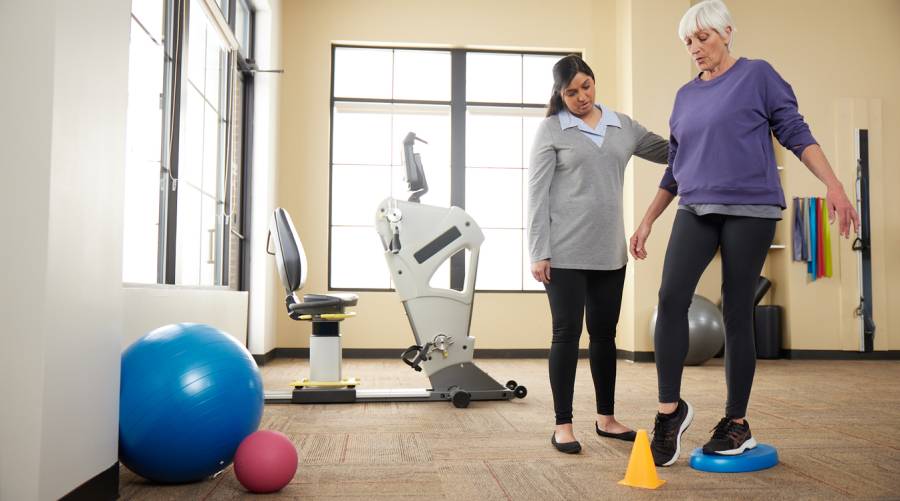
Fall prevention tips to reduce injury risk in older adults
Falls are one of the leading causes of injury among older adults — but they don’t have to be inevitable. By following some practical fall prevention tips, people aged 65 and above can reduce the chances of serious injuries such as hip fractures, head trauma, or bone breaks.
According to the CDC, more than 1 in 4 adults over 65 in the U.S. fall each year. Falling once doubles the risk of falling again, often resulting in hospital stays, long-term care, or loss of independence.
These six strategies offer practical ways to reduce fall risk at home and outdoors.
1. Build balance and strength with exercise
Muscle loss and balance issues increase with age, especially after 60. Strength training, light cardio, and targeted balance exercises can help maintain stability and prevent stumbling.
Even conditions like sarcopenia can improve with regular movement, including resistance workouts and walking routines.
2. Stay up to date with health checkups
Chronic conditions such as diabetes, heart disease, and low blood pressure can affect coordination. Regular doctor visits can help manage these risks.
Also, annual eye exams ensure vision problems don’t increase fall hazards from poor depth perception or low visibility.
3. Fall-proof your home environment
Most falls happen inside the home. Simple adjustments can make a big difference:
- Install railings on stairs
- Use night lights and voice-activated lighting
- Keep walkways clear of clutter and cords
- Mount grab bars in bathrooms
- Choose non-slip rugs and supportive furniture
- Wear anti-slip footwear indoors
4. Improve your sleep hygiene
Poor sleep affects reaction time and balance. To sleep better:
- Limit screens before bedtime
- Stick to a regular sleep-wake schedule
- Avoid caffeine and heavy meals at night
- Create a quiet, dark, cool sleep space
- Try relaxation techniques like reading or meditation
5. Keep your hands free while walking
Holding heavy or bulky items increases fall risk. Use shoulder bags or backpacks when carrying items, and consider grocery delivery services to minimize physical strain.
6. Use mobility aids when needed
Modern canes, walkers, and scooters are lightweight, efficient, and offer vital support. If balance is a concern, speak with a physical therapist about the right aid. Some individuals may also qualify for trained service dogs to enhance mobility and safety.
The bottom line
Fall prevention is essential for healthy aging. By combining physical activity, safer surroundings, and smart habits, older adults can stay active, independent, and injury-free longer.
Stay informed. Stay ahead.
CLICK HERE TO FOLLOW Medical News Pakistan WhatsApp Channel for trusted healthcare updates, expert insights, clinical research, policy news, and medical breakthroughs—delivered directly to you.

Advertisement
E-PAPER
Trending
Popular
Pakistan’s Dr. Misha Tanveer takes air pollution research to Europe ...
-
Calorie deficit for weight loss: How to ...
06:00 PM, 24 Aug, 2026 -
Vaccine maker warns of wider TBE, ...
05:00 PM, 21 Aug, 2026 -
FDA authorizes first robot to draw ...
06:11 PM, 20 Aug, 2026 -
One blood test for multiple cancers ...
04:52 PM, 11 Aug, 2026
Follow us on Facebook
Follow us on Twitter
Copyright ©2026 Medical News. All Rights Reserved.