
Gut-anxiety connection: Can probiotics improve mental health?
Emerging research suggests that probiotics may help alleviate anxiety symptoms by balancing gut microbiota
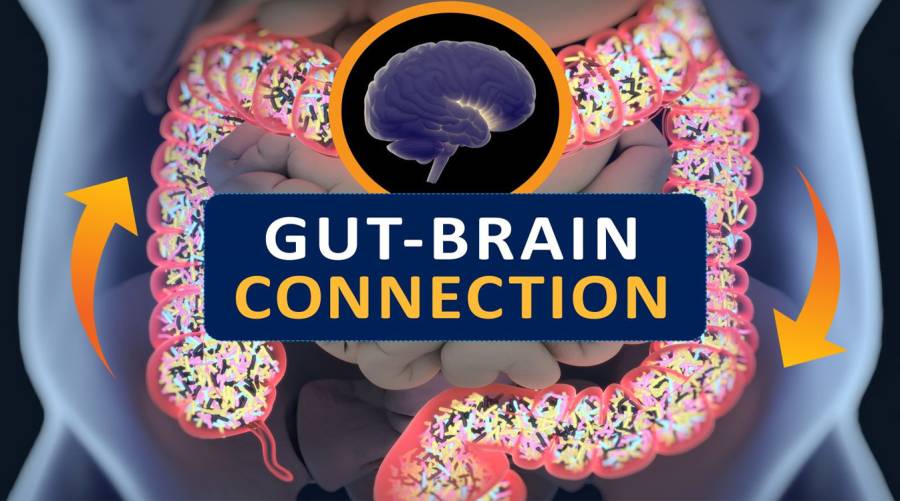
Anxiety disorders are among the most common mental health conditions worldwide. While treatments like therapy and medication are widely used, recent research has highlighted the potential role of gut health in managing anxiety symptoms. A recent narrative review published in Nutrients suggests that people with anxiety experience decreased microbial diversity and fewer short-chain fatty acid-producing bacteria. These findings have sparked interest in the potential of probiotics as a natural intervention for anxiety relief.
Understanding the Gut-Anxiety Connection
The gut microbiota consists of trillions of microorganisms that influence various bodily functions, including digestion, immune response, and even brain health. The gut-brain axis is a complex communication network linking the gut microbiota with the central nervous system, playing a key role in emotional regulation and stress response.
The review examined multiple studies and found distinct differences in gut microbiota composition among individuals with anxiety disorders. Notably, people with generalized anxiety disorder (GAD) had lower microbial diversity, reduced richness of beneficial bacteria, and higher levels of inflammatory microbes. Interestingly, even after anxiety symptoms improved, these gut microbiota imbalances remained, suggesting that they could be a contributing factor to anxiety development rather than just a consequence.
Biological Mechanisms: How Gut Bacteria Influence Anxiety
Several biological mechanisms underpin the link between gut microbiota and anxiety:
- Neurotransmitter Production: Certain gut bacteria, such as Lactobacillus, help produce gamma-aminobutyric acid (GABA), a neurotransmitter that regulates stress and anxiety. A deficiency in GABA-producing bacteria may exacerbate anxiety symptoms.
- Inflammation: Gut dysbiosis can lead to systemic inflammation, which has been linked to changes in brain function and increased anxiety.
- Hypothalamic-Pituitary-Adrenal (HPA) Axis Dysregulation: The gut microbiota helps regulate the HPA axis, which controls the body's stress response. An imbalance in gut bacteria may lead to excessive HPA activity, worsening anxiety symptoms.
Can Probiotics Help Treat Anxiety?
Experts believe that probiotics may help restore gut microbiota balance and improve anxiety symptoms. Licensed psychotherapist Noah Kass, DSW, LCSW, notes that “certain probiotic treatments, especially Lactobacillus strains, may help individuals with anxiety-related disorders.”
Probiotics promote the growth of beneficial bacteria while inhibiting harmful microorganisms. They also support neurotransmitter production, reduce inflammation, and regulate stress responses. Research suggests that probiotic supplementation—particularly strains like Lactobacillus rhamnosus—may help regulate the HPA axis and decrease anxiety symptoms.
Best Probiotic Strains for Anxiety Relief
The review analyzed studies testing the efficacy of different probiotic strains for mental health improvement. Key findings include:
- Lactobacillus plantarum JYLP-326: Reduced symptoms of anxiety, depression, and insomnia.
- Lactobacillus plantarum P8: Lowered inflammatory markers, reduced stress and anxiety, and improved cognitive function.
- Lactobacillus rhamnosus CNCM: Showed potential in reducing stress-induced anxiety, though some studies found no significant benefits.
- Bifidobacterium breve A-1: Helped alleviate anxiety and depression symptoms in individuals with schizophrenia.
- Lactobacillus helveticus R0052 & Bifidobacterium longum R0175: Combination therapy improved anxiety, depression, and stress levels.
However, some studies reported mixed results, indicating that probiotic efficacy may vary based on the strain, dosage, and individual differences.
The Future of Probiotics in Mental Health Treatment
While current research supports the role of probiotics in anxiety management, scientists emphasize that our understanding of probiotics is still in its infancy. Dr. Ashkan Farhadi, a board-certified gastroenterologist at MemorialCare Orange Coast Medical Center, acknowledges the importance of gut bacteria in mental health but cautions that “we have a crude idea of how probiotics work and need more in-depth research to personalize treatments.”
Future studies should explore the best probiotic strains, optimal dosages, and individualized treatment approaches. Additionally, researchers need to investigate how probiotics interact with existing anxiety treatments for a more comprehensive therapeutic strategy.
Conclusion: Should You Try Probiotics for Anxiety?
If you're struggling with anxiety and looking for natural treatment options, probiotics may be worth considering. While they should not replace traditional treatments, incorporating probiotic-rich foods (such as yogurt, kefir, and fermented vegetables) or taking high-quality supplements could offer additional mental health benefits.
As science continues to uncover the gut-brain connection, probiotics may play a vital role in improving mental well-being. However, consulting a healthcare professional before starting any new supplement regimen is always recommended.
Key Takeaways:
- Anxiety disorders are linked to gut microbiota imbalances, including reduced microbial diversity and increased inflammation.
- The gut-brain axis plays a crucial role in stress and anxiety regulation.
- Probiotics, particularly strains like Lactobacillus rhamnosus and Bifidobacterium breve, may help improve anxiety symptoms.
- More research is needed to fully understand how probiotics influence mental health and how to personalize treatments for maximum benefits.

Advertisement
E-PAPER
Trending
Popular
Pakistan’s Dr. Misha Tanveer takes air pollution research to Europe ...
-
Calorie deficit for weight loss: How to ...
06:00 PM, 24 Aug, 2026 -
Vaccine maker warns of wider TBE, ...
05:00 PM, 21 Aug, 2026 -
FDA authorizes first robot to draw ...
06:11 PM, 20 Aug, 2026 -
One blood test for multiple cancers ...
04:52 PM, 11 Aug, 2026
Follow us on Facebook
Follow us on Twitter
Copyright ©2026 Medical News. All Rights Reserved.