
Migraine treatment options and at-home relief methods
From acute medications to preventive therapies and lifestyle changes, experts highlight a wide range of evidence-based strategies to manage migraines—one of the most disabling neurological conditions worldwide.
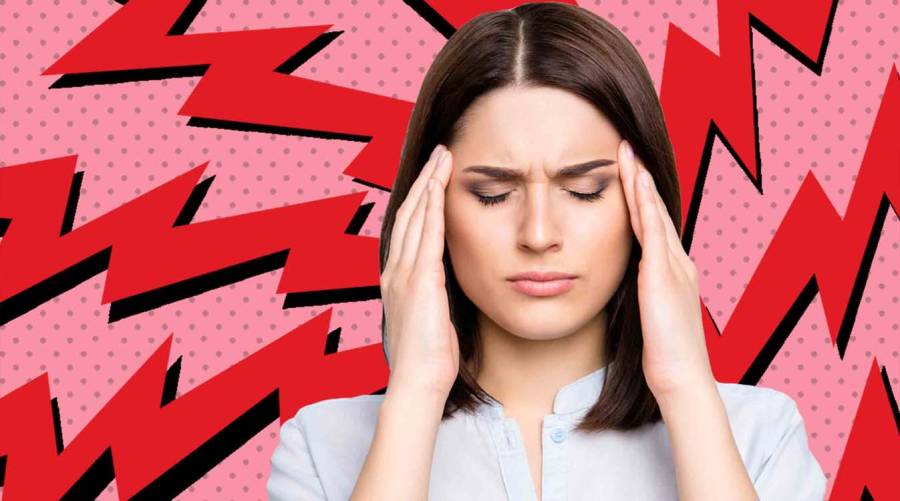
Migraine is a severe neurological condition that goes far beyond a typical headache. It can cause intense throbbing pain, nausea, vomiting, and extreme sensitivity to light and sound—often disrupting daily life, work, and wellbeing.
Health experts describe migraine as one of the most disabling conditions globally, affecting millions of people and requiring a combination of medical treatment, behavioral therapy, and lifestyle management.
What is a migraine?
Migraine is a recurrent headache disorder characterized by episodes of moderate to severe head pain, often accompanied by neurological and sensory symptoms. Unlike regular headaches, migraine attacks can last for hours or even days.
Treatment approaches vary depending on severity, frequency, and patient response.
Acute migraine treatments
Acute treatments are used during an active migraine attack to reduce pain and associated symptoms.
Common options include:
• Pain relievers (over-the-counter or prescription)
• Triptans such as sumatriptan and zolmitriptan
• Ditans, a newer class for patients who do not respond to triptans
• Ergot derivatives for severe cases
• Antiemetics to control nausea and vomiting
• Occipital nerve blocks in resistant or severe cases
These treatments focus on stopping or reducing the severity of an ongoing attack rather than preventing future episodes.
Preventive migraine treatments
For individuals experiencing frequent or chronic migraine, preventive therapies may help reduce attack frequency.
These include:
• CGRP inhibitors (Aimovig, Ajovy, Emgality, Vyepti, Ubrelvy, Nurtec ODT, Qulipta) targeting pain-signaling pathways
• Anticonvulsants such as topiramate
• Blood pressure medications including beta blockers like propranolol
• Antidepressants such as amitriptyline and venlafaxine
• Botox (onabotulinumtoxinA) injections for chronic migraine prevention
These treatments are typically prescribed for patients with recurring or disabling migraine patterns.
Neurostimulation therapies
Non-invasive brain stimulation techniques are emerging options for chronic migraine management:
• Vagus nerve stimulation (VNS)
• Transcranial magnetic stimulation (TMS)
• Supraorbital nerve stimulation (SONS)
• Sphenopalatine ganglion (SPG) stimulation
These approaches aim to regulate pain pathways in the nervous system using electrical or magnetic signals.
Behavioral and psychological therapies
Experts emphasize that migraine is not only physical but also influenced by behavioral and emotional triggers.
Cognitive behavioral therapy (CBT) helps patients manage stress and modify thought patterns that may trigger episodes.
Biofeedback therapy trains individuals to control physiological responses such as muscle tension and heart rate using relaxation techniques and real-time monitoring.
Lifestyle and at-home migraine management
Doctors often recommend lifestyle changes as a foundational part of migraine management:
• Regular sleep (at least 7 hours nightly)
• Adequate hydration
• Stress reduction techniques
• Regular physical activity
• Avoiding known dietary triggers (chocolate, caffeine, aged cheese, processed meats)
• Limiting alcohol and tobacco use
• Spending time outdoors and maintaining routine habits
These strategies can significantly reduce the frequency and intensity of migraine episodes when followed consistently.
Migraine awareness month
June is recognized globally as Migraine Awareness Month, an initiative led by organizations such as the World Headache Society and patient advocacy groups worldwide. The aim is to raise awareness about migraine as a serious neurological disease, reduce stigma, and improve access to effective treatment.
Key takeaway
While migraine has no permanent cure, modern medicine offers a wide spectrum of treatment options—from acute relief medications to advanced preventive therapies and lifestyle interventions. Experts stress that early diagnosis and a personalized treatment plan can dramatically improve quality of life.
Stay informed, stay alert
CLICK HERE TO JOIN Medical News Pakistan on WhatsApp for real-time health alerts, expert insights, and breakthrough medical discoveries.

Advertisement
E-PAPER
Trending
Popular
Pakistan’s Dr. Misha Tanveer takes air pollution research to Europe ...
-
Calorie deficit for weight loss: How to ...
06:00 PM, 24 Aug, 2026 -
Vaccine maker warns of wider TBE, ...
05:00 PM, 21 Aug, 2026 -
FDA authorizes first robot to draw ...
06:11 PM, 20 Aug, 2026 -
One blood test for multiple cancers ...
04:52 PM, 11 Aug, 2026
Follow us on Facebook
Follow us on Twitter
Copyright ©2026 Medical News. All Rights Reserved.