
Drinking sugar raises diabetes risk more than eating it, study finds
New global research shows sugary drinks significantly raise the risk of type 2 diabetes—even more than sugary foods
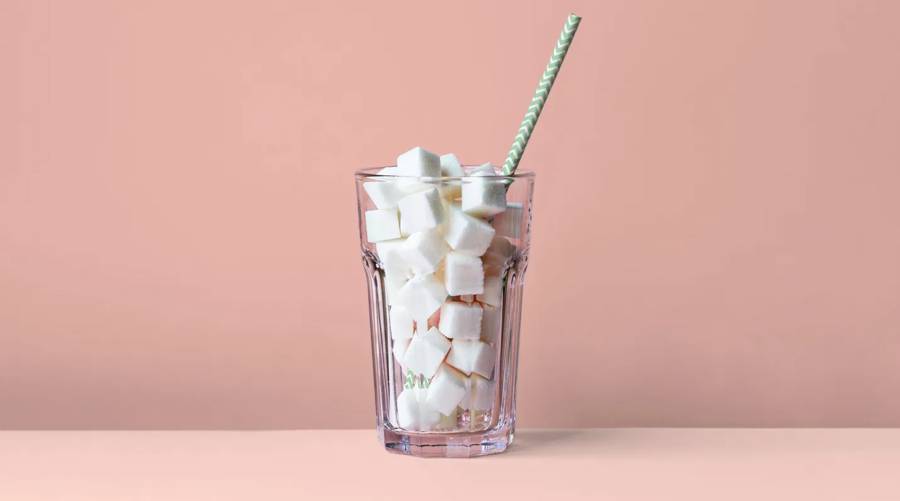
Drinking sugar increases risk of type 2 diabetes more than eating it, new research reveals
Drinking sugar may be more dangerous than eating it, according to a new global study that found sugary beverages significantly raise the risk of type 2 diabetes. The findings challenge the common belief that all sugar is equally harmful and highlight how the form of sugar consumption—not just the amount—plays a major role in health outcomes.
The large-scale analysis, published in the peer-reviewed journal Advances in Nutrition, reviewed 29 international studies involving over 500,000 people. Researchers found that drinking sugar in the form of soda, fruit juice, energy drinks, or sweetened cocktails is far more harmful than consuming it through solid foods like cakes or cookies.
Sugar-sweetened beverages linked to a 25% higher diabetes risk
According to the study, every additional 12-ounce serving of a sugary drink daily increased the risk of type 2 diabetes by 25%. Even an 8-ounce glass of fruit juice raised the risk by 5%. In contrast, no such link was found for sugar consumed in solid foods. Surprisingly, moderate sugar intake from food—even up to 20 grams (nearly two tablespoons) daily—was associated with a slightly lower diabetes risk.
“This research fills an important gap by emphasizing that how sugar is consumed matters,” said Dr. Karen Della Corte, assistant professor of nutrition at Brigham Young University and lead author of the study.
The study did not confirm that sugary drinks cause diabetes, but it strongly indicated an association, even after adjusting for factors such as BMI and smoking. Researchers suggest that other lifestyle factors may also contribute but point to a clear trend.
Why liquid sugar is more harmful to your body
Experts say liquid sugar rapidly enters the bloodstream, causing blood glucose and insulin levels to spike. Unlike solid foods, sugary drinks lack fiber, fat, or protein—all of which slow digestion and help the body metabolize sugar safely.
This rapid sugar absorption can overwhelm the liver, particularly with high levels of fructose, which is often converted to fat. Over time, this process contributes to insulin resistance, a key driver of type 2 diabetes and other metabolic diseases.
“Sugary drinks bypass the brain’s fullness signals and flood the liver, pushing it toward metabolic dysfunction,” said Della Corte.
The role of additives in sweetened beverages
In addition to sugar, sweetened drinks often contain chemical preservatives, artificial colors, and flavor enhancers, which may further disrupt the body’s metabolic balance, according to Dr. Laura A. Schmidt, a professor at UCSF’s Institute for Health Policy Studies.
“These ingredients can destabilize your metabolism. Sweet drinks are not just empty calories—they are metabolically harmful,” Schmidt emphasized.
How to quit sugary drinks without withdrawal
Sugar-sweetened beverages can feel addictive. To stop drinking them without severe cravings:
- Gradually reduce your intake: Start by diluting soda or juice with sparkling water. Week by week, reduce the sugar portion.
- Switch to healthier options: Infuse water with lemon, lime, cucumber, or berries to create flavor without added sugar.
- Create new routines: Identify times you’re most likely to crave soda and prepare replacements in advance.
“Treat sugary drinks like other addictive substances—quit gradually and mindfully,” advises Schmidt.
Bottom line:
Not all sugars are created equal. When it comes to reducing diabetes risk, what you drink matters just as much—if not more—than what you eat. Cutting back on sugary beverages can be one of the most effective strategies for preventing type 2 diabetes and improving long-term metabolic health.
Stay informed. Stay ahead.
CLICK HERE TO FOLLOW Medical News Pakistan WhatsApp Channel for trusted healthcare updates, expert insights, clinical research, policy news, and medical breakthroughs—delivered directly to you.

Advertisement
E-PAPER

Trending
Popular
Pakistan’s Dr. Misha Tanveer takes air pollution research to Europe ...
-
Calorie deficit for weight loss: How to ...
06:00 PM, 24 Aug, 2026 -
Vaccine maker warns of wider TBE, ...
05:00 PM, 21 Aug, 2026 -
FDA authorizes first robot to draw ...
06:11 PM, 20 Aug, 2026 -
One blood test for multiple cancers ...
04:52 PM, 11 Aug, 2026
Follow us on Facebook
Follow us on Twitter
Copyright ©2026 Medical News. All Rights Reserved.

