
Chips, packaged snacks, fast food — What they’re doing inside your muscles will shock you
New study finds hidden muscle damage linked to ultra-processed foods — even in people who don’t look overweight
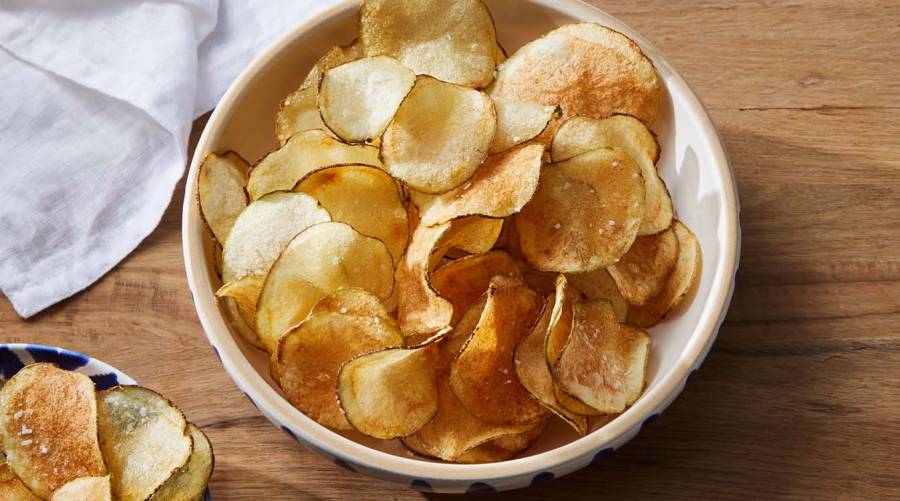
This is not about weight — this is about what’s happening inside your body
You may not see it in the mirror. Your weight may look “normal.” Your clothes may still fit.
But deep inside your body, something far more dangerous could be happening — your muscles slowly being replaced by fat.
A new study published in Radiology is now raising serious concern about everyday foods people consume without hesitation — chips, packaged snacks, processed meals, and fast food.
And the message is uncomfortable:
This is not harmless eating. This is silent damage.
What the research actually found
In an analysis of more than 600 adults, researchers used MRI scans to look beyond body weight — directly into muscle quality.
What they discovered changes the way we think about diet:
People who consumed higher amounts of ultra-processed foods had significantly more fat embedded inside their thigh muscles.
Not around the body.
Not just under the skin.
Inside the muscle itself.
Lead researcher Dr. Zehra Akkaya explained that this effect appeared independent of total calories or fat intake, meaning even those who are not overeating could still be at risk if their diet quality is poor.
Related story: How much protein you really need to build muscle (backed by science)
This is where the real danger lies.
Muscles are not just for strength or appearance — they are critical for movement, stability, and long-term health.
When fat starts replacing muscle tissue, it can quietly lead to:
- Reduced strength and stamina
- Increased risk of joint damage
- Higher chances of disability over time
- Faster progression toward conditions like osteoarthritis
Cardiology expert Dr. Patrick Kee warned that this kind of muscle deterioration could accelerate joint degeneration — one of the leading causes of disability globally.
The biggest misconception this study breaks
For years, people have focused on one thing: weight.
But this study highlights a far more dangerous truth:
- You can look fit — and still be unhealthy internally
- You can eat “normally” — and still damage your muscles
- You can avoid obesity — and still face long-term physical decline
This shifts the conversation from how much you eat → to what you eat.
And yes — your daily foods are part of the problem
Ultra-processed foods are everywhere:
- Chips
- Packaged snacks
- Sugary drinks
- Instant meals
- Fast food
They are cheap, accessible, addictive — and increasingly dominant in modern diets.
But according to this research, they may also be quietly reshaping your body in ways you cannot feel immediately.
Why this matters more in today’s world
Researchers also point out that ultra-processed food consumption is rising globally, especially among younger populations.
This means the damage may be starting earlier — and lasting longer.
Even more concerning, the study found stronger effects in individuals already showing early signs of joint damage, suggesting that diet may be accelerating existing vulnerabilities.
What you should take seriously from this
This study does not prove cause-and-effect yet — but the warning signal is strong.
And ignoring it may come at a cost you won’t notice until it’s harder to reverse.
Medical experts now emphasize that improving health is no longer just about cutting calories — it’s about cutting ultra-processed foods.
Bariatric specialist Dr. Mir B Ali stressed that reducing these foods is essential not just for weight control, but for protecting long-term health and preventing disease.
The bottom line
This is not about one meal.
It’s about patterns.
Because the real risk isn’t just gaining fat —
it’s losing muscle without realizing it.
And by the time you feel it, the damage may already be underway.
Stay informed, stay protected
CLICK HERE TO JOIN Medical News Pakistan on WhatsApp for real-time health alerts, expert insights, and breakthrough medical discoveries.

Advertisement
E-PAPER
Trending
Popular
Pakistan’s Dr. Misha Tanveer takes air pollution research to Europe ...
-
Calorie deficit for weight loss: How to ...
06:00 PM, 24 Aug, 2026 -
Vaccine maker warns of wider TBE, ...
05:00 PM, 21 Aug, 2026 -
FDA authorizes first robot to draw ...
06:11 PM, 20 Aug, 2026 -
One blood test for multiple cancers ...
04:52 PM, 11 Aug, 2026
Follow us on Facebook
Follow us on Twitter
Copyright ©2026 Medical News. All Rights Reserved.