
WHO warns global TB progress at risk from funding gaps
Despite measurable gains in diagnosis, treatment, and prevention, insufficient funding and inequitable access threaten global tuberculosis control.
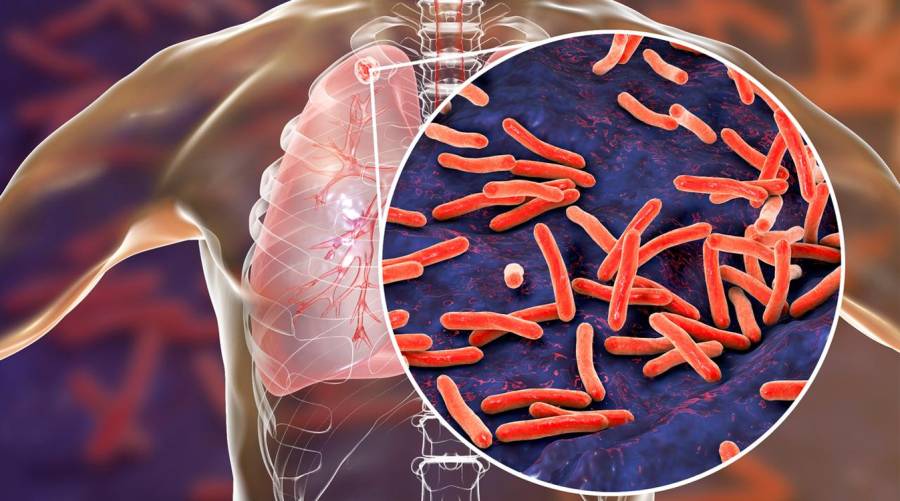
WHO warns that global tuberculosis progress faces major funding challenges
Tuberculosis (TB) continues to pose a serious global health threat, claiming over 1.2 million lives and affecting 10.7 million people in 2024, according to the WHO Global Tuberculosis Report 2025. While countries have made measurable progress in diagnosis, treatment, and prevention, persistent funding gaps and inequitable access could reverse decades of gains.
Global progress shows promise, but risks remain
Between 2023 and 2024, the global TB incidence declined by nearly 2%, and TB-related deaths fell by 3%. Strong political commitment in some regions has led to remarkable improvements:
- The WHO African Region reduced TB incidence by 28% and deaths by 46% between 2015 and 2024.
- The European Region achieved a 39% decline in incidence and a 49% drop in deaths during the same period.
- Over 100 countries have reduced TB incidence by at least 20%, and 65 countries have cut TB deaths by 35% or more, meeting the first milestones of the WHO End TB Strategy.
However, TB remains concentrated in high-burden countries. In 2024, 87% of new TB cases occurred in just 30 countries, with eight nations—India, Indonesia, the Philippines, China, Pakistan, Nigeria, DR Congo, and Bangladesh—accounting for 67% of the total.
Advances in diagnosis, treatment, and prevention
Progress in TB care has saved an estimated 83 million lives since 2000. Key achievements in 2024 include:
- 8.3 million people newly diagnosed with TB and accessing treatment (78% of those affected).
- Rapid testing coverage increased to 54% from 48% in 2023.
- Treatment success rate for drug-susceptible TB remained at 88%.
- Drug-resistant TB treatment success improved to 71%, with 164,000 patients treated.
- Preventive therapy reached 5.3 million high-risk individuals, up from 4.7 million in 2023.
Social protection and multisectoral action remain critical
WHO’s report highlights major social and structural determinants, such as undernutrition, HIV, diabetes, smoking, and poverty. Social protection coverage in 30 high-burden countries remains uneven, ranging from 3.1% in Uganda to 94% in Mongolia, with 19 countries below 50%. Coordinated action across health, social, and economic sectors is essential to address these drivers.
Funding shortfalls threaten future gains
Global TB funding has stagnated since 2020. In 2024, only US$5.9 billion was available for prevention, diagnosis, and treatment—just over a quarter of the US$22 billion target for 2027. Cuts to international donor funding could result in up to 2 million additional deaths and 10 million more infections by 2035.
Research funding also lags, totaling US$1.2 billion in 2023, only 24% of the global target. Despite this, innovation continues: 63 diagnostic tests, 29 drugs, and 18 vaccine candidates—including six in Phase 3 trials—are currently under development.
WHO calls for urgent action
Dr Tedros Adhanom Ghebreyesus, WHO Director-General, stressed, “Progress is welcome, but TB continues to kill over a million people every year. Sustained investment and global solidarity are vital to end this preventable and curable disease.”
Dr Tereza Kasaeva, Director of WHO’s Department for HIV, TB, Hepatitis, and STIs, added, “Funding cuts and persistent epidemic drivers threaten hard-won gains. Political commitment, innovation, and strengthened health systems are essential to turn the tide.”
Conclusion
While global efforts have led to measurable TB reductions, insufficient funding, social inequities, and persistent risk factors could undo these gains. WHO urges countries to increase domestic investment, maintain international support, and accelerate research to achieve the End TB targets by 2030.
Stay informed and protect your health!
CLICK HERE TO JOIN Medical News Pakistan on WhatsApp for expert tips, health updates, and the latest medical research straight to your phone.

Advertisement
E-PAPER
Trending
Popular
Pakistan’s Dr. Misha Tanveer takes air pollution research to Europe ...
-
Calorie deficit for weight loss: How to ...
06:00 PM, 24 Aug, 2026 -
Vaccine maker warns of wider TBE, ...
05:00 PM, 21 Aug, 2026 -
FDA authorizes first robot to draw ...
06:11 PM, 20 Aug, 2026 -
One blood test for multiple cancers ...
04:52 PM, 11 Aug, 2026
Follow us on Facebook
Follow us on Twitter
Copyright ©2026 Medical News. All Rights Reserved.