
Pakistan’s youth mental health crisis takes center stage as experts warn digital overload is reshaping young minds
Mental health professionals, media leaders and creative industry experts at Salim Habib University call for urgent action to redesign Pakistan’s digital and media ecosystem amid growing concerns over screen addiction, emotional burnout and online psychological harm among youth
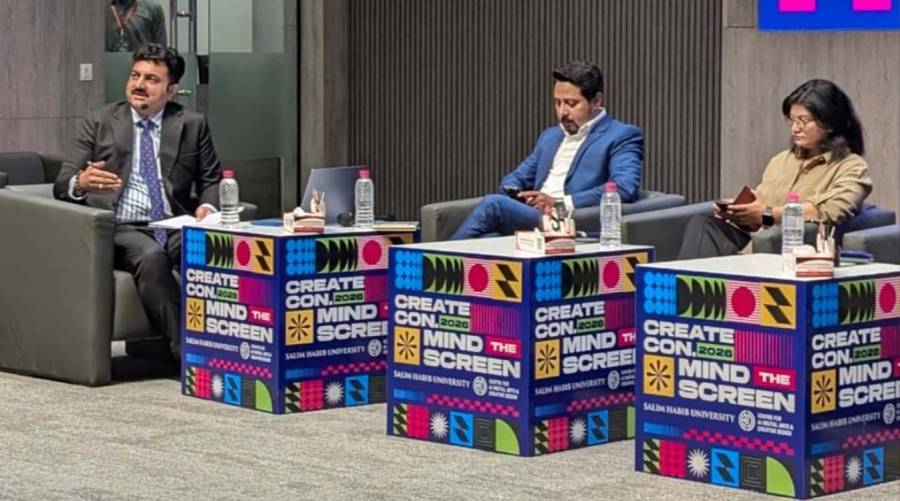
KARACHI: Concerns over the impact of excessive screen exposure, social media pressure and rapidly changing digital content culture on Pakistan’s younger generation took center stage at Salim Habib University during the “Mind the Screen: Youth, Media, and Mental Health Symposium,” where mental health specialists, journalists, filmmakers and digital creators called for urgent reforms to create healthier online environments for youth.
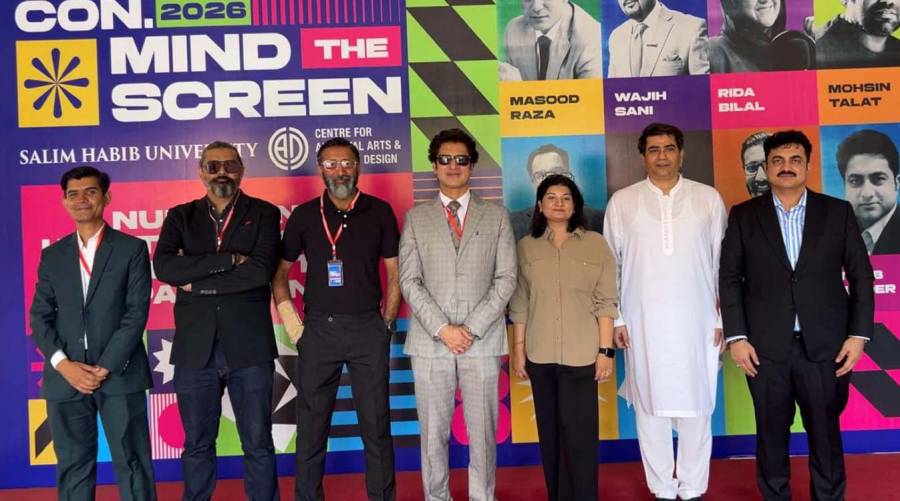
Organized under the banner of CreateCon, the symposium focused on how rising digital consumption is reshaping the cognitive, emotional and psychological well-being of young people in Pakistan, particularly students and adolescents increasingly exposed to algorithm-driven content, online comparison culture and continuous social media engagement.
Mental health professionals participating in the discussions warned that digital overstimulation and unhealthy online behavior patterns are emerging as serious public health concerns affecting attention span, emotional regulation, anxiety levels and overall psychological resilience among youth.
The symposium brought together experts from multiple sectors including psychology, healthcare, journalism, media, entertainment and digital communication to explore practical strategies for improving digital well-being and strengthening youth mental health awareness in Pakistan.
Clinical and mental health experts including psychologist Prof. Zainab Meher Hasan, President ACELP, Alizeh Valjee from Saya Health, Rahal Saeed, Chief Executive Officer Karvan-e-Hayat, psychologist Amna Naved from Savaira and Zahara Sarmad from Interactive Research and Development (IRD) discussed the growing need for institutional support systems, preventive mental healthcare frameworks and accessible psychological support for young people navigating increasingly complex digital environments.
Participants emphasized that while technology and social media have created new opportunities for learning, creativity and communication, the absence of strong digital literacy and emotional coping mechanisms has also increased the risks of stress, online dependency, emotional burnout and social isolation among youth.
The event also featured prominent voices from Pakistan’s media and entertainment industry including journalists Masood Raza, Noreen Shams and Wajih Sani, alongside filmmaker Omair Alavi, producer Mohsin Talat and writer Rida Bilal, who examined how modern news cycles, entertainment narratives and viral content trends shape public perception, emotional responses and youth behavior.
Speakers highlighted that media organizations, content creators and digital platforms now play a powerful role in influencing mental health outcomes, particularly among younger audiences who spend a significant portion of their daily lives consuming online content.
Instead of focusing only on the dangers of screen time, the symposium concentrated heavily on solution-oriented discussions aimed at empowering young people to interact with digital spaces in safer and healthier ways.
Panels led by consultant and media personality Talib Haider encouraged stakeholders to move beyond fear-based narratives and instead prioritize digital literacy, responsible content creation, healthier online communities and youth-centered policy conversations.
Experts stressed the importance of co-designing digital environments that promote emotional safety, critical thinking and positive engagement rather than outrage-driven or psychologically harmful interactions.
The symposium was organized by Center for AI Digital Arts & Creative Design team at Salim Habib University under the leadership of Director Prof. Dr. Jamshed Butt along with Bilal Hasan, Murtaza Khaliq, visiting faculty members and consultant Talib Haider.
Organizers said the event reflects a growing recognition within Pakistan’s academic and healthcare sectors that discussions surrounding youth mental health can no longer be separated from conversations about technology, media influence and digital culture.
Mental health analysts say awareness surrounding issues such as social media anxiety, screen addiction, cyberbullying, digital fatigue and online emotional distress is steadily increasing in Pakistan as internet and smartphone usage continues to expand rapidly among younger populations.
Participants concluded that improving youth mental health in the digital era will require a coordinated effort involving educational institutions, healthcare professionals, policymakers, parents, media organizations and technology platforms working together to transform digital spaces into tools for empowerment, learning and emotional well-being rather than sources of distress and psychological harm.
Stay informed, stay alert
CLICK HERE TO JOIN Medical News Pakistan on WhatsApp for real-time health alerts, expert insights, and breakthrough medical discoveries.

Advertisement
E-PAPER
Trending
Popular
Pakistan’s Dr. Misha Tanveer takes air pollution research to Europe ...
-
Calorie deficit for weight loss: How to ...
06:00 PM, 24 Aug, 2026 -
Vaccine maker warns of wider TBE, ...
05:00 PM, 21 Aug, 2026 -
FDA authorizes first robot to draw ...
06:11 PM, 20 Aug, 2026 -
One blood test for multiple cancers ...
04:52 PM, 11 Aug, 2026
Follow us on Facebook
Follow us on Twitter
Copyright ©2026 Medical News. All Rights Reserved.