
Can eating spicy food help with weight loss? New research reveals surprising effects
A new study shows spicy meals can slow down eating, reduce calorie intake, and support mindful eating habits—but they’re not a miracle fat-burner.
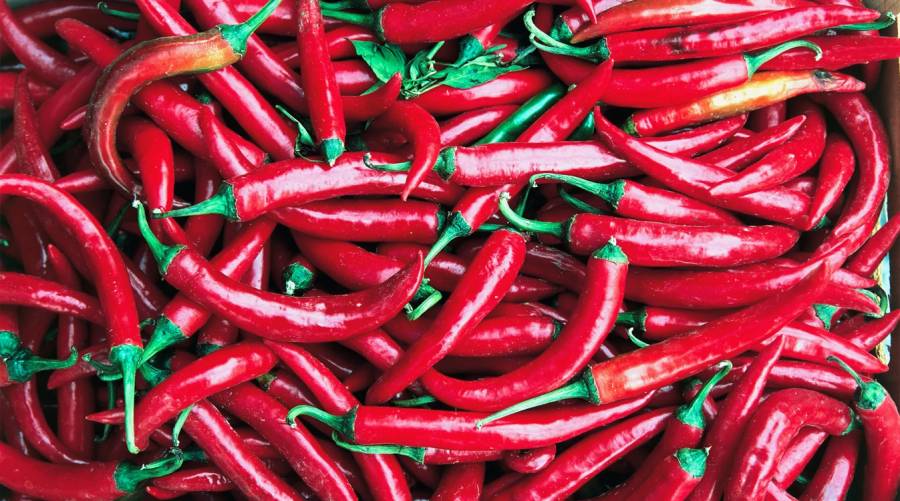
Spicy food and weight loss: What science says about eating heat to eat less
If you're trying to lose weight, adding chili flakes to your meals might do more than add flavor—it might help you eat less. That’s the key takeaway from a new study published by researchers at The Pennsylvania State University, which found that moderately spicy food helped participants slow down while eating and reduce their overall intake.
The researchers tested how varying levels of paprika-based heat in meals like chicken tikka masala and beef chili affected eating behavior. When meals were moderately spicy, participants ate between 11% and 18% less food—without any dip in satisfaction or enjoyment.
“This relatively small change was enough to significantly reduce energy intake,” said Dr. Paige Cunningham, PhD, lead author of the study.
How spicy food may help you eat less
The study found that:
Moderate heat (not extreme) slowed down how quickly participants ate.
Meals were still rated as pleasant and enjoyable.
The lower intake was not due to drinking more water—all participants drank similar amounts.
Capsaicin (the active compound in chili) may promote greater sensory exposure, sending stronger fullness signals to the brain and gut.
“Simply adding chili pepper to a meal—just enough to make it spicy without changing how much you like it—might help reduce how much you eat,” Dr. Cunningham explained.
Does spicy food really help you lose weight?
Capsaicin, found in chili peppers, has long been promoted as a natural fat-burner. It’s known to:
- Trigger thermogenesis (a slight boost in metabolism)
- Have anti-inflammatory properties
- Support heart and metabolic health
However, experts caution against overhyping its effects.
“Capsaicin may play a small role, but it’s unlikely to have a meaningful impact on long-term weight control,” said Dr. Wesley McWhorter, a registered dietitian and spokesperson for the Academy of Nutrition and Dietetics.
When to avoid spicy foods
While chili peppers can be helpful for some, they’re not for everyone. Experts recommend caution for individuals with:
- Acid reflux or GERD
- Inflammatory bowel diseases like Crohn’s or ulcerative colitis
- Celiac disease or sensitive stomachs
If spicy foods trigger chest pain, allergic reactions, shortness of breath, or discomfort, it's best to avoid them.
“It’s more important to focus on overall dietary variety than any one ingredient,” noted Dr. Emma Laing, dietitian and clinical professor at the University of Georgia.
Mindful eating works—even without the spice
Eating slowly—whether your food is spicy or not—can help you consume fewer calories. It increases oro-sensory exposure, allowing your brain and gut more time to register fullness.
Small lifestyle shifts can also help:
- Pause between bites
- Dine without screens
- Engage in conversation during meals
These habits encourage mindful eating, which supports weight control without extreme diets or supplements.
What this means for you
Spicy food won’t magically melt fat, but if you enjoy it, a moderate kick could help you eat slower and eat less—a powerful tool for building better eating habits. If your stomach can't handle the heat, don’t worry: slow, mindful eating works too.
CLICK HERE TO FOLLOW Medical News Pakistan WhatsApp Channel for more life-changing, science-backed health updates.

Advertisement
E-PAPER
Trending
Popular
Pakistan’s Dr. Misha Tanveer takes air pollution research to Europe ...
-
Calorie deficit for weight loss: How to ...
06:00 PM, 24 Aug, 2026 -
Vaccine maker warns of wider TBE, ...
05:00 PM, 21 Aug, 2026 -
FDA authorizes first robot to draw ...
06:11 PM, 20 Aug, 2026 -
One blood test for multiple cancers ...
04:52 PM, 11 Aug, 2026
Follow us on Facebook
Follow us on Twitter
Copyright ©2026 Medical News. All Rights Reserved.