
Insomnia hack or wellness myth? The truth about ‘dark showering’
Can showering in the dark really improve sleep, calm the mind, and reset your body clock? Experts explain what science actually says.
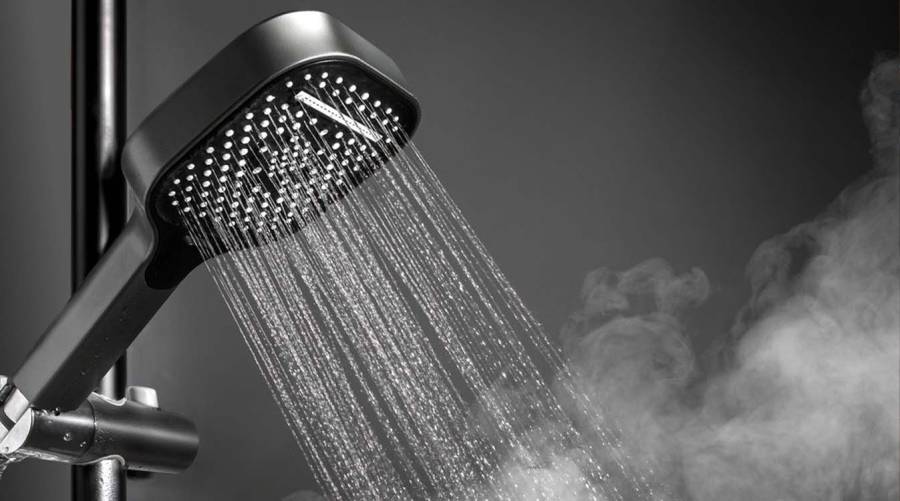
Insomnia hack or wellness myth? The truth about ‘dark showering’
If you struggle to fall asleep, chances are you’ve seen the latest sleep trend lighting up social media feeds: dark showering. The idea is deceptively simple—take a warm shower with the lights dimmed or completely off as part of your nighttime routine. Supporters say it quiets the mind, lowers stress, and helps the body drift into deeper sleep. But is this viral habit backed by science, or is it just another soothing ritual that feels good at the end of a long day?
Medical experts say the answer sits somewhere in between—and the science behind it may surprise you.
What exactly is dark showering?
Unlike a morning shower designed to wake you up, dark showering is about reducing light exposure, relaxing the nervous system, and preparing the body for sleep. The practice typically involves showering in low or no light before bedtime to signal to the brain that the day is winding down.
This matters because light exposure plays a critical role in regulating the body’s internal clock, also known as the circadian rhythm.
Can dark showering actually improve sleep?
According to Chelsie Rohrscheib, a neuroscientist, sleep specialist, and head of sleep research at Wesper, dark showering may help the body transition more smoothly into sleep.
She explains that falling asleep requires a slight drop in core body temperature. A warm shower temporarily raises body temperature, followed by a rapid cooling effect once you step out—closely mimicking the body’s natural pre-sleep process. This temperature shift can make it easier for the brain to initiate sleep and may shorten the time it takes to nod off.
Equally important is light exposure. Darkness supports the production of melatonin, the hormone responsible for signaling sleep. When evening light is reduced, melatonin levels rise, telling the brain it’s time to rest. Dark showering, by limiting artificial light, may help reinforce this natural signal.
What about mental health and stress?
Beyond sleep, experts say dark showering may offer mental health benefits, especially for people who struggle to unwind at night.
Rohrscheib notes that the practice can shift the nervous system into a parasympathetic state—the body’s “rest and relax” mode—while lowering cortisol, a stress hormone that promotes alertness.
Sleep coach Patricia Read from Goldilocks Sleep Solutions adds that dark showering can function as a form of mindfulness. With visual stimulation reduced, the brain becomes more aware of calming sensations, helping the mind slow down before bedtime.
This sensory focus, she explains, can feel similar to meditation and may help people mentally “wash away” the day’s worries.
Not a cure-all for insomnia
Despite its benefits, experts caution that dark showering is not a medical treatment for chronic sleep disorders.
Rohrscheib emphasizes that people with long-term insomnia or underlying sleep conditions may see limited results without professional care. Read also warns that mindset matters. Treating dark showering as a task—or expecting it to be a miracle fix—can actually increase stress and backfire.
In short, it works best as a calming ritual, not a pressured routine.
Evidence-based ways to sleep better
Experts agree that dark showering works best when combined with proven sleep habits:
- Maintain a consistent sleep and wake schedule, even on weekends
- Avoid caffeine at least six hours before bedtime
- Skip heavy meals close to sleep
- Limit bright lights and screen use in the evening
- Keep the bedroom dark, cool, quiet, and comfortable
If sleep doesn’t come after 20 minutes, experts recommend leaving the bed briefly and doing a calming activity in dim light before trying again.
The bottom line
Dark showering isn’t a magic solution—but it isn’t a myth either. For many people, it may serve as a gentle, science-aligned addition to a healthy bedtime routine. By reducing light exposure, supporting melatonin release, and promoting relaxation, it can help create the right conditions for sleep—especially when paired with evidence-based sleep practices.
Stay connected with Medical News Pakistan
CLICK HERE TO JOIN our WhatsApp Community for the latest health updates, life-saving medical news, and expert guidance straight to your phone.

Advertisement
E-PAPER
Trending
Popular
Pakistan’s Dr. Misha Tanveer takes air pollution research to Europe ...
-
Calorie deficit for weight loss: How to ...
06:00 PM, 24 Aug, 2026 -
Vaccine maker warns of wider TBE, ...
05:00 PM, 21 Aug, 2026 -
FDA authorizes first robot to draw ...
06:11 PM, 20 Aug, 2026 -
One blood test for multiple cancers ...
04:52 PM, 11 Aug, 2026
Follow us on Facebook
Follow us on Twitter
Copyright ©2026 Medical News. All Rights Reserved.