
AMR crisis grows as diarrhea-causing Shigella superbug becomes harder to treat
Rising drug-resistant Shigella infections in the United States are signaling a wider antimicrobial resistance threat, where even routine diarrheal illnesses may no longer respond to standard antibiotics.
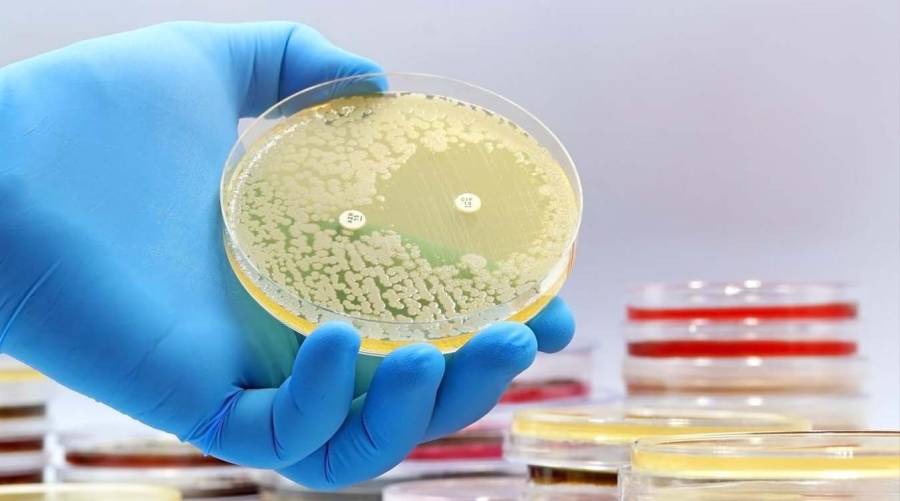
A growing antimicrobial resistance (AMR) crisis is beginning to reshape one of the most overlooked areas of everyday health — diarrheal infections.
Health alerts emerging from the United States are drawing attention to a troubling rise in drug-resistant Shigella infections, a bacteria long associated with common diarrheal illness but now increasingly showing resistance to standard antibiotic treatment. What makes this development particularly concerning is not just the infection itself, but what it represents: a slow and steady shift toward infections that are becoming harder to treat.
Shigella infections typically cause symptoms such as diarrhea, fever, and abdominal cramps, and in more severe cases, require antibiotic therapy to prevent complications. For decades, this treatment approach has been reliable. However, recent reports suggest that certain strains are no longer responding to commonly prescribed antibiotics, forcing clinicians to reconsider how even routine cases are managed.
This is where the story moves beyond a single pathogen.
Experts have long warned that antimicrobial resistance is one of the most serious global health threats of our time. The emergence of drug-resistant Shigella is now adding to that concern, reinforcing the idea that the world may be entering an era where common infections are no longer easily curable.
The spread of these resistant strains is particularly challenging because of how easily Shigella transmits. It can spread through contaminated food and water, inadequate sanitation, and close human contact — making outbreaks difficult to control, especially in densely populated or resource-limited settings. While children under five, older adults, and immunocompromised individuals remain at higher risk, the infection does not discriminate, and exposure can occur across all age groups.
What is now worrying public health experts is the pattern emerging behind these cases. Patients infected with resistant strains may experience longer illness durations, delayed recovery, and limited treatment options. In some cases, doctors are left with fewer effective antibiotics, increasing reliance on second-line or more potent drugs that may not always be easily accessible.
Related story: U.S. patent granted for breakthrough technology to combat antibiotic resistance
This gradual loss of treatment effectiveness is the defining feature of the AMR crisis.
Antibiotic resistance develops when bacteria evolve mechanisms to survive exposure to drugs designed to kill them. The overuse and misuse of antibiotics — whether through unnecessary prescriptions, incomplete treatment courses, or self-medication — accelerate this process, allowing resistant strains to spread more widely.
Infections like Shigella, once considered straightforward to manage, are now becoming part of a much larger global challenge. Similar resistance patterns are being observed in other bacteria as well, raising concerns that healthcare systems worldwide may soon face increasing difficulty in controlling infections that were once routine.
Despite these concerns, experts emphasize that the situation is not without solutions — but it does require urgency.
Strengthening infection prevention measures, improving sanitation and hygiene, ensuring responsible antibiotic use, and investing in new drug development are all critical steps in slowing the spread of resistance. Early diagnosis and appropriate clinical management also remain key to preventing complications.
For the public, the takeaway is subtle but important.
Related story: ‘Insulin resistance test could predict Alzheimer’s cognitive decline rate’
Diarrheal illness, often dismissed as minor or self-limiting, may no longer always follow a predictable course. Persistent symptoms, worsening conditions, or delayed recovery should not be ignored, especially in a landscape where treatment response is becoming less certain.
The rise of drug-resistant Shigella is not just a localized health update.
It is a signal — one that points toward a future where the effectiveness of modern medicine can no longer be taken for granted, even for the most common infections.
Stay informed, stay protected
CLICK HERE TO JOIN Medical News Pakistan on WhatsApp for real-time health alerts, expert insights, and breakthrough medical discoveries.

Advertisement
E-PAPER
Trending
Popular
Pakistan’s Dr. Misha Tanveer takes air pollution research to Europe ...
-
Calorie deficit for weight loss: How to ...
06:00 PM, 24 Aug, 2026 -
Vaccine maker warns of wider TBE, ...
05:00 PM, 21 Aug, 2026 -
FDA authorizes first robot to draw ...
06:11 PM, 20 Aug, 2026 -
One blood test for multiple cancers ...
04:52 PM, 11 Aug, 2026
Follow us on Facebook
Follow us on Twitter
Copyright ©2026 Medical News. All Rights Reserved.