
Artificial sweeteners cause faster brain aging, new study warns
A major study finds that frequent consumption of six common artificial sweeteners may accelerate brain aging and increase risks of memory loss and cognitive decline.
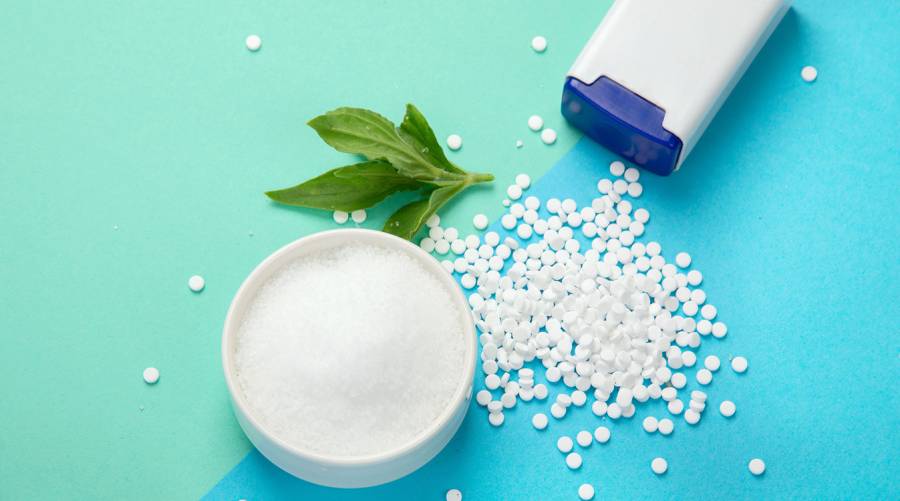
Artificial sweeteners may speed up cognitive decline, study finds
Replacing sugar with artificial sweeteners may not be as safe as once believed. A new large-scale study published in Neurology has found that consuming six popular low- or no-calorie sweeteners could be linked to faster brain aging and cognitive decline.
Study reveals faster memory and thinking decline
Researchers from the University of São Paulo Medical School in Brazil analyzed data from over 12,700 adults with an average age of 52. Over eight years, participants who consumed the highest amounts of artificial sweeteners showed 1.6 years of additional brain aging compared to those who consumed less.
The study found that people in the high-consumption group—those drinking the equivalent of one can of diet soda per day—experienced a 62% faster rate of memory and thinking decline and a 173% faster decline in verbal fluency.
Six sweeteners linked to brain aging
The research focused on seven sweeteners commonly used in diet sodas, low-calorie foods, and tabletop sweeteners. Six of them were strongly linked to cognitive decline:
- Aspartame
- Saccharin
- Xylitol
- Erythritol
- Sorbitol
- Acesulfame K
Only tagatose showed no association with cognitive decline.
Gut health and inflammation may play a role
Experts suggest that artificial sweeteners may alter the gut microbiome, leading to inflammation that affects brain health. According to neurologist Dr. David Perlmutter, changes in gut bacteria can cause brain immune cells—called microglia—to enter a damaging inflammatory mode, raising the risk of conditions like Alzheimer’s and Parkinson’s disease.
Younger adults and diabetics most at risk
The study revealed that the link between artificial sweeteners and brain aging was strongest in people under 60. The risk was even higher among diabetics, who often use sweeteners to manage blood sugar.
“Diabetes already creates an inflammatory environment in the body,” said Dr. Perlmutter. “Adding artificial sweeteners can worsen that process, potentially speeding up cognitive decline.”
Should you ditch artificial sweeteners?
Researchers emphasized that the study doesn’t prove causation—but the evidence suggests caution. Regular consumption of sugar substitutes could increase long-term brain health risks.
Experts advise reducing overall sweetness in the diet, focusing instead on fiber-rich, whole foods that support both gut and brain health. Natural alternatives like stevia and tagatose may be safer options.
“The best strategy is not to replace sugar with sweeteners,” said lead author Dr. Claudia Kimie Suemoto, “but to reduce sweet cravings altogether.”
Stay informed and protect your health!
CLICK HERE TO JOIN Medical News Pakistan on WhatsApp for expert tips, health updates, and the latest medical research straight to your phone.

Advertisement
E-PAPER

Trending
Popular
Pakistan’s Dr. Misha Tanveer takes air pollution research to Europe ...
-
Calorie deficit for weight loss: How to ...
06:00 PM, 24 Aug, 2026 -
Vaccine maker warns of wider TBE, ...
05:00 PM, 21 Aug, 2026 -
FDA authorizes first robot to draw ...
06:11 PM, 20 Aug, 2026 -
One blood test for multiple cancers ...
04:52 PM, 11 Aug, 2026
Follow us on Facebook
Follow us on Twitter
Copyright ©2026 Medical News. All Rights Reserved.