
Polio virus detected in sewage across 12 districts in Pakistan, confirms NIH
Wild poliovirus type 1 found in sewerage samples in Punjab, Balochistan, and Khyber Pakhtunkhwa; six cases reported in 2025 so far
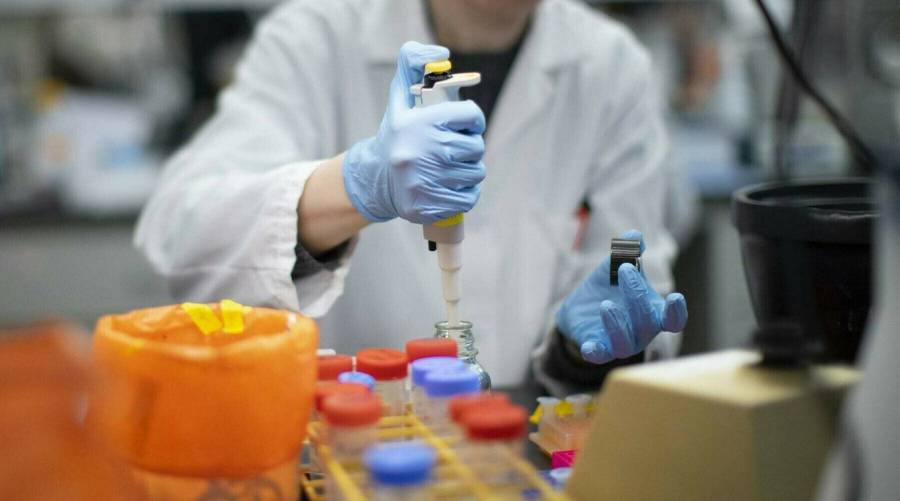
ISLAMABAD: Pakistan’s battle against polio continues as the Regional Reference Laboratory for Polio Eradication at the National Institute of Health (NIH) confirmed the presence of Wild Poliovirus Type 1 (WPV1) in sewerage samples from 12 districts across three provinces. This alarming discovery underscores the persistent threat of the virus despite ongoing eradication efforts.
The samples were collected from February 17 to 26, 2025, from 127 locations nationwide for routine environmental surveillance. The results revealed positive traces of polio in Punjab, Balochistan, and Khyber Pakhtunkhwa (KP), raising concerns over potential transmission risks.
Polio-Positive Districts in Pakistan
According to the NIH report, the following districts had polio-positive sewage:
- Punjab: Lahore, Multan, Kasur, Bahawalpur, D.G. Khan
- Balochistan: Quetta, Sibi, Dera Bugti, Lasbela
- Khyber Pakhtunkhwa: South Waziristan, Charsadda, Swabi
This discovery reinforces the need for intensified polio immunization campaigns, particularly in high-risk regions.
Polio Cases in Pakistan: 2025 vs. 2024
So far in 2025, six polio cases have been confirmed nationwide:
- Sindh: 4 cases
- Punjab: 1 case
- Khyber Pakhtunkhwa: 1 case
Comparatively, 74 cases were reported in 2024, with distribution as follows:
- Sindh: 23 cases
- Balochistan: 27 cases
- Khyber Pakhtunkhwa: 22 cases
- Punjab & Islamabad: 1 case each
Polio Eradication Challenges
Despite aggressive vaccination drives, Pakistan remains one of the last two polio-endemic countries in the world. The persistent presence of poliovirus in environmental samples indicates silent transmission, making eradication efforts more challenging.
Health authorities are urging parents to ensure their children receive multiple doses of the oral polio vaccine (OPV) to build immunity and prevent outbreaks. Additionally, surveillance teams are working closely with communities to enhance sanitation measures and curb the spread of the virus through contaminated water sources.

Advertisement
E-PAPER
Trending
Popular
Pakistan’s Dr. Misha Tanveer takes air pollution research to Europe ...
-
Calorie deficit for weight loss: How to ...
06:00 PM, 24 Aug, 2026 -
Vaccine maker warns of wider TBE, ...
05:00 PM, 21 Aug, 2026 -
FDA authorizes first robot to draw ...
06:11 PM, 20 Aug, 2026 -
One blood test for multiple cancers ...
04:52 PM, 11 Aug, 2026
Follow us on Facebook
Follow us on Twitter
Copyright ©2026 Medical News. All Rights Reserved.