
What’s the MIND diet and how does it reduce dementia risk?
Following the MIND diet—even later in life—may significantly reduce the risk of Alzheimer’s and other forms of dementia, according to new research from NUTRITION 2025.
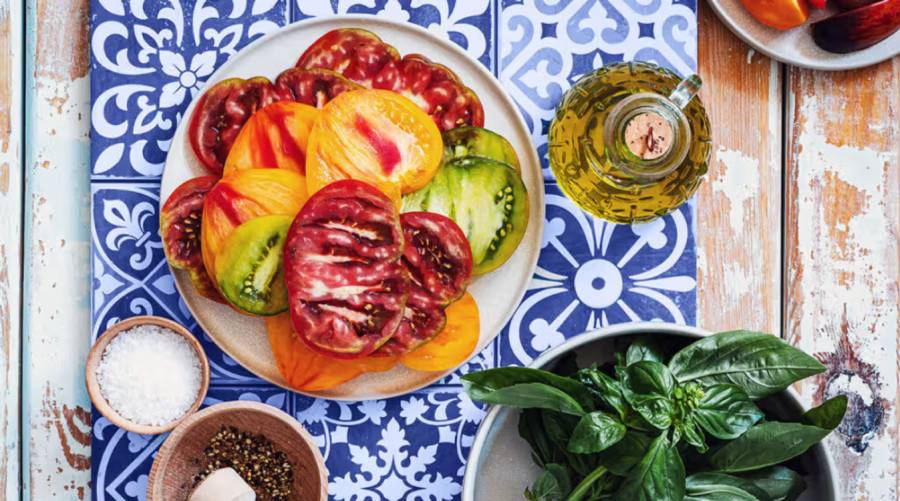
MIND diet linked to reduced dementia risk, even when adopted later in life
A new large-scale study suggests that following the MIND diet—a hybrid of the Mediterranean and DASH diets—may significantly reduce the risk of dementia and Alzheimer’s disease, even if one begins the diet in later adulthood. The findings, presented at NUTRITION 2025, offer renewed hope in the fight against one of the world’s most challenging cognitive disorders.
According to the World Health Organization (WHO), over 57 million people globally were living with dementia as of 2021, with Alzheimer’s disease accounting for 60–70% of these cases. With pharmaceutical options limited, nutrition and lifestyle modifications are gaining momentum as critical preventive strategies.
What is the MIND diet and how does it work?
Developed in 2015 by Rush University Medical Center, the MIND (Mediterranean-DASH Intervention for Neurodegenerative Delay) diet combines elements of two evidence-based diets—Mediterranean and DASH—to promote brain health.
The MIND diet emphasizes:
- Brain-healthy foods like leafy greens, berries, nuts, beans, whole grains, fish, and olive oil
- Limiting foods such as red meat, butter, cheese, pastries, and fried or fast food.
This dietary pattern is designed to reduce inflammation, oxidative stress, and vascular damage—all linked to cognitive decline.
Key findings from the new study
Led by Dr. Song-Yi Park, an associate professor at the University of Hawaii Cancer Center, the study analyzed data from nearly 93,000 U.S. adults aged 45 to 75 from five ethnic backgrounds—African American, Latino, white, Native Hawaiian, and Asian American—collected over 10 years as part of the Multiethnic Cohort Study.
Here’s what the researchers found:
- Participants who had high MIND diet adherence at the start had a 9% lower risk of developing dementia.
- The protective effect rose to 13% among white, Latino, and African American participants.
- Most notably, participants who improved their MIND diet adherence over time had a 25% lower risk of developing dementia compared to those whose adherence declined.
Dr. Park noted that while most previous research focused on white populations, this study confirms the MIND diet's benefits across multiple racial and ethnic groups. However, she acknowledged that the MIND diet might not fully capture the nuances of ethnically diverse food traditions.
Expert opinion: cautious optimism
Not all experts are fully convinced—Dr. Clifford Segil, a neurologist in Santa Monica, said more evidence is needed to prove the direct brain benefits of MIND diet components like berries or leafy greens. He pointed out that while these foods are heart-healthy, the link between diet and dementia prevention remains complex and less defined.
Still, Dr. Segil agrees that reducing modifiable risk factors through healthy lifestyle changes remains an essential public health strategy.
Can it ever be too late to start?
The most hopeful takeaway: it’s never too late to improve your diet. Even participants who did not follow the MIND diet initially but later adopted it saw significant reductions in dementia risk.
Dr. Park emphasized:
“Improving diet quality in mid to late life is still beneficial for preventing dementia. Our findings suggest that healthy eating habits can delay or even prevent cognitive decline.”
Tips to follow the MIND diet
Registered Dietitian Monique Richard shared practical tips for integrating MIND diet components into daily life:
- Add leafy greens like kale or spinach to soups, smoothies, or salads
- Enjoy berries regularly—blueberries, strawberries, and raspberries
- Snack on nuts and seeds like walnuts, almonds, or pumpkin seeds
- Include beans and legumes in meals several times per week
- Swap butter for extra virgin olive oil in cooking
- Incorporate fatty fish like salmon or sardines 2–3 times a week
- Increase whole grains such as oats, brown rice, or quinoa
Richard advises consulting a registered dietitian to tailor the diet based on access, preferences, and cultural factors.
Conclusion
As dementia continues to affect millions globally, this new research underscores the power of dietary choices in brain health. Whether you're 45 or 75, it's never too late to begin following the MIND diet—a scientifically supported, accessible, and holistic approach to reducing dementia risk.
CLICK HERE TO FOLLOW Medical News Pakistan WhatsApp Channel for trusted industry updates, insights, and innovations.

Advertisement
E-PAPER
Trending
Popular
Pakistan’s Dr. Misha Tanveer takes air pollution research to Europe ...
-
Calorie deficit for weight loss: How to ...
06:00 PM, 24 Aug, 2026 -
Vaccine maker warns of wider TBE, ...
05:00 PM, 21 Aug, 2026 -
FDA authorizes first robot to draw ...
06:11 PM, 20 Aug, 2026 -
One blood test for multiple cancers ...
04:52 PM, 11 Aug, 2026
Follow us on Facebook
Follow us on Twitter
Copyright ©2026 Medical News. All Rights Reserved.