
Lung repair mechanisms offer new hope for more effective TB vaccine
Australian researchers discover that delivering a modified BCG vaccine directly into the lungs can activate local immune responses to fight tuberculosis more effectively
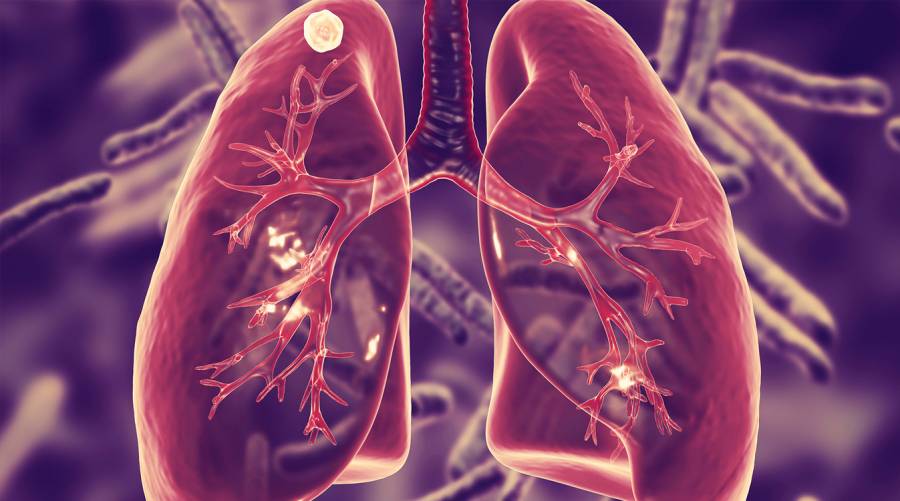
Lung repair mechanisms offer new hope for more effective TB vaccine
New findings from James Cook University reveal that targeting the lungs with a modified TB vaccine may hold the key to better immunity against tuberculosis.
Tuberculosis (TB) continues to be one of the world’s most lethal infectious diseases, causing 10.8 million new infections and 1.3 million deaths in 2023 alone. A key challenge in the fight against TB is the limited effectiveness of the current vaccine — BCG (Bacillus Calmette-Guérin) — particularly in adults.
A team of scientists at the Australian Institute of Tropical Health and Medicine, including Dr Judith Blake, Associate Professor Andreas Kupz, and Dr Roland Ruscher, have made a breakthrough in understanding how lung repair mechanisms can be harnessed to boost TB immunity.
Inhaled vaccine targets lung immunity
Dr Kupz explained that the existing BCG vaccine is typically administered via injection shortly after birth, which often fails to generate long-lasting immune protection against respiratory TB infections.
“In our study, we explored how inhaling a modified BCG vaccine directly into the lungs could trigger localized immune responses,” said Dr Kupz. “What we found was very promising — lung-specific delivery activated tissue-repair pathways and helped generate protective immune cells that remain in the lungs longer and fight TB more effectively.”
The science behind lung-based TB immunity
According to Dr Blake, the research uncovered a critical immune mechanism: cells that are normally recruited to repair lung injuries release a unique messenger molecule. This molecule helps stimulate the generation of lung-resident immune cells capable of controlling TB infection at its source.
“Our findings reinforce the potential of BCG vaccine inhalation in humans as a novel strategy to build immunity against TB,” said Dr Blake. “The ability to stimulate these repair-activated immune pathways in the lungs is key.”
A global need for innovation
As TB remains a leading cause of death globally, particularly in low- and middle-income countries, researchers stress the urgent need for more effective and accessible vaccines.
“This work offers hope for a next-generation TB vaccine that is not only more protective but also leverages the body’s own healing systems,” added Dr Kupz.
The takeaway
By showing that lung-specific immune responses can be boosted through targeted vaccine delivery, this research opens up promising new directions in TB prevention. Inhaled vaccine strategies that mimic natural immunity in the lungs could lead to more robust protection in adults — a critical step toward ending TB as a global health crisis.
Stay informed. Stay ahead.
CLICK HERE TO FOLLOW Medical News Pakistan WhatsApp Channel for trusted healthcare updates, expert insights, clinical research, policy news, and medical breakthroughs—delivered directly to you.

Advertisement
E-PAPER
Trending
Popular
Pakistan’s Dr. Misha Tanveer takes air pollution research to Europe ...
-
Calorie deficit for weight loss: How to ...
06:00 PM, 24 Aug, 2026 -
Vaccine maker warns of wider TBE, ...
05:00 PM, 21 Aug, 2026 -
FDA authorizes first robot to draw ...
06:11 PM, 20 Aug, 2026 -
One blood test for multiple cancers ...
04:52 PM, 11 Aug, 2026
Follow us on Facebook
Follow us on Twitter
Copyright ©2026 Medical News. All Rights Reserved.