
To reverse prediabetes, you don’t need to lose weight, just shift it
New study finds that achieving normal glucose regulation without weight loss can cut future diabetes risk by about 70 percent.
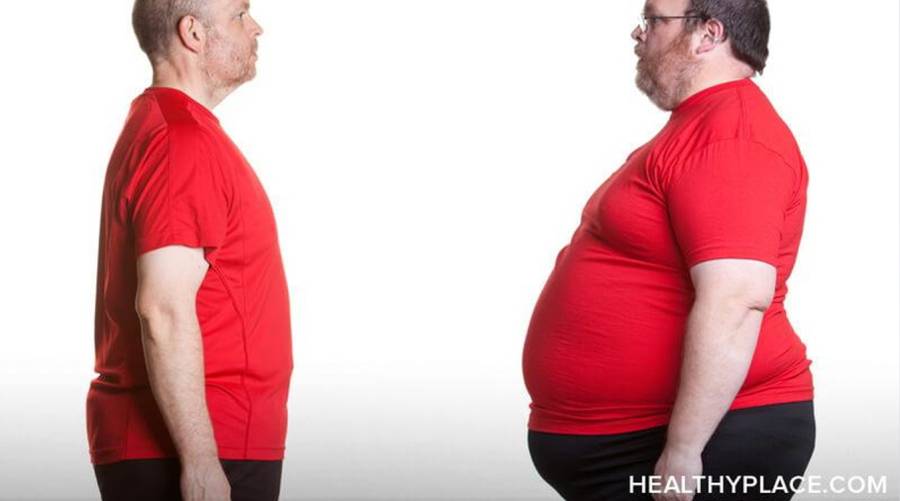
Reversing prediabetes without weight loss linked to 70 % lower diabetes risk
More than one in three adults in the U.S. now live with prediabetes, a state of impaired blood sugar regulation that often precedes type 2 diabetes. By traditional thinking, preventing progression to diabetes focused squarely on weight loss.
But a new post-hoc analysis published in Nature Medicine suggests a paradigm shift: it’s possible to reverse prediabetes without shedding pounds, as long as individuals achieve normal glucose regulation, and doing so significantly lowers future diabetes risk.
Glycemic remission without weight loss: What the study found
Researchers examined data from the Prediabetes Lifestyle Intervention Study (PLIS), selecting 234 participants who did not lose weight over 12 months of intervention. Among them, 51 individuals achieved remission of prediabetes (i.e. returned to normal glucose regulation), while 183 did not.
Over an average follow-up of roughly 5 years, those who reversed prediabetes — despite stable weight — had about a 70 % lower risk of developing type 2 diabetes compared to those who remained in prediabetes.
This protective effect was similar to the risk reduction seen in previous studies of weight-loss–induced remission, which showed ~73 % lower risk.
Mechanisms: Fat redistribution, insulin sensitivity & β-cell function
Interestingly, the groups did not differ in total body fat or weight changes. Instead, their patterns of fat distribution diverged. Those who achieved remission tended to store more fat subcutaneously (under the skin), while those who did not showed increases in visceral fat (around organs) — a metabolically harmful depot.
These “responders” also showed improved insulin sensitivity and enhanced β-cell (insulin-secreting cell) function, helping their bodies manage glucose more effectively. Nature+2News-Medical+2
Thus, the study authors argue that how and where fat is stored may matter as much — or even more — than how much fat you have.
Implications for guidelines & prevention strategies
Current clinical guidelines for prediabetes and diabetes prevention emphasize weight-loss targets (often 5–10 %). dzd-ev.de+1 But these new findings suggest that glycemic remission, irrespective of weight loss, should become a co-primary goal. Nature+2dzd-ev.de+2
As the authors propose, interventions should aim not only to reduce weight but to optimize metabolic health by improving insulin sensitivity, reducing visceral fat, and restoring normal glucose control.
What this means for you (If you have prediabetes)
You don’t necessarily need to rely solely on weight loss for protection. Instead:
- Focus on diet quality (e.g. Mediterranean or DASH patterns, whole foods, reduced processed sugars and saturated fats)
- Engage in regular physical activity (aerobic + resistance training) to improve insulin sensitivity
- Prioritize sleep, stress management, and consistency in lifestyle changes
- Track more than just the number on the scale — monitor glucose, waist circumference, and metabolic markers
If remission is achieved — even without weight loss — you may still enjoy a dramatically lower risk of progressing to diabetes. This gives hope to those for whom weight loss is difficult or slow.
Stay informed and protect your health!
CLICK HERE TO JOIN Medical News Pakistan on WhatsApp for expert tips, health updates, and the latest medical research straight to your phone.

Advertisement
E-PAPER
Trending
Popular
Pakistan’s Dr. Misha Tanveer takes air pollution research to Europe ...
-
Calorie deficit for weight loss: How to ...
06:00 PM, 24 Aug, 2026 -
Vaccine maker warns of wider TBE, ...
05:00 PM, 21 Aug, 2026 -
FDA authorizes first robot to draw ...
06:11 PM, 20 Aug, 2026 -
One blood test for multiple cancers ...
04:52 PM, 11 Aug, 2026
Follow us on Facebook
Follow us on Twitter
Copyright ©2026 Medical News. All Rights Reserved.