
Tango dancing, painting, gaming could actually make your brain younger, scientists reveal
Groundbreaking international research finds that creative hobbies like tango, art, music, and video games may slow down brain ageing — even for beginners.
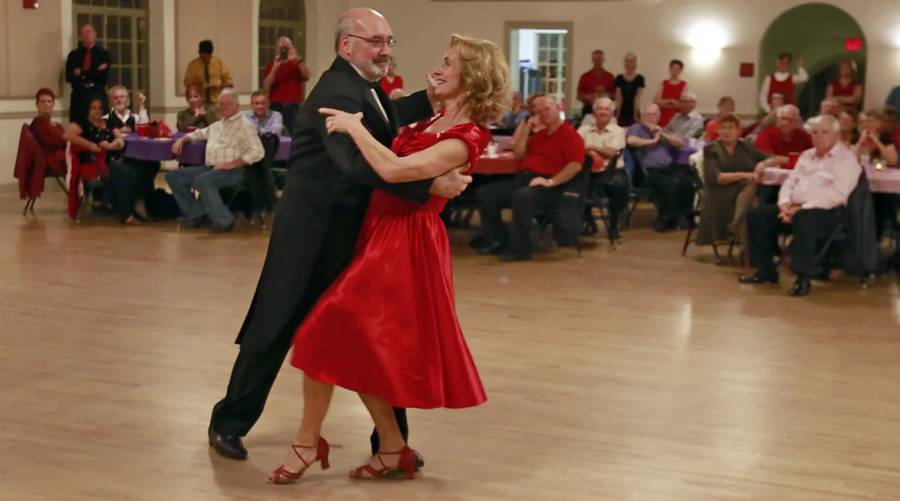
Creative hobbies like tango, painting, and gaming may help slow brain ageing, new study finds
A stunning new study published in Nature Communications has revealed that creative activities — from tango dancing and painting to playing music or even video games — could help keep your brain younger for longer.
According to international researchers, people who regularly engage in such creative hobbies show signs of slower brain ageing compared to those who don’t. Even beginners learning a new creative skill experience measurable benefits to brain health.
The science behind younger brains
Scientists used advanced “brain clocks”, artificial intelligence models that compare a person’s biological brain age with their real age, to measure how creativity affects ageing.
The study analyzed brain scans of 1,240 participants across ten countries, focusing on dancers, musicians, visual artists, and gamers. The results were striking — those who practiced creative activities consistently had “younger” brains.
Among all groups, tango dancers showed the most dramatic effect: their brains appeared, on average, seven years younger than their actual age.
Why creativity keeps the brain young
Creativity activates multiple regions of the brain at once — far more than standard cognitive exercises like puzzles or memory games. This enhances functional connectivity, or how efficiently different brain regions communicate.
The frontoparietal region, responsible for decision-making and working memory, showed the strongest rejuvenation. The study also found boosted activity in networks linked to rhythm, movement, and coordination — explaining why music and dance might be especially powerful brain-protectors.
Beginners benefit too
In an experiment, researchers trained volunteers to play StarCraft II, a strategy-based video game. Within weeks, the new players showed reduced brain age and sharper attention and perception skills.
“You don’t need to be Da Vinci to have healthy effects,” said Agustín Ibáñez, neuroscientist at Adolfo Ibáñez University in Chile.
The chemistry of creativity
Creative engagement boosts dopamine and BDNF (brain-derived neurotrophic factor) — chemicals essential for learning, motivation, and neuron growth. These biological factors help protect the brain from age-related decline and support lifelong mental agility.
A call to get creative
Whether it’s joining a salsa class, taking piano lessons, or simply painting for fun, experts say the key is consistency. “The more often you engage creatively, the younger your brain appears,” notes Francisca Rodriguez, cognitive scientist at the German Center for Neurodegenerative Diseases.
So if you’ve been waiting to pick up that brush or dance to your favorite tune — science says your brain will thank you for it.
Stay informed and protect your health!
CLICK HERE TO JOIN Medical News Pakistan on WhatsApp for expert tips, health updates, and the latest medical research straight to your phone.

Advertisement
E-PAPER

Trending
Popular
Pakistan’s Dr. Misha Tanveer takes air pollution research to Europe ...
-
Calorie deficit for weight loss: How to ...
06:00 PM, 24 Aug, 2026 -
Vaccine maker warns of wider TBE, ...
05:00 PM, 21 Aug, 2026 -
FDA authorizes first robot to draw ...
06:11 PM, 20 Aug, 2026 -
One blood test for multiple cancers ...
04:52 PM, 11 Aug, 2026
Follow us on Facebook
Follow us on Twitter
Copyright ©2026 Medical News. All Rights Reserved.