
Key mechanism linking C-reactive protein to kidney inflammation in diabetic patients uncovered
Groundbreaking study reveals new targets for treating diabetic kidney disease by inhibiting the Smad3-NLRP3 pathway
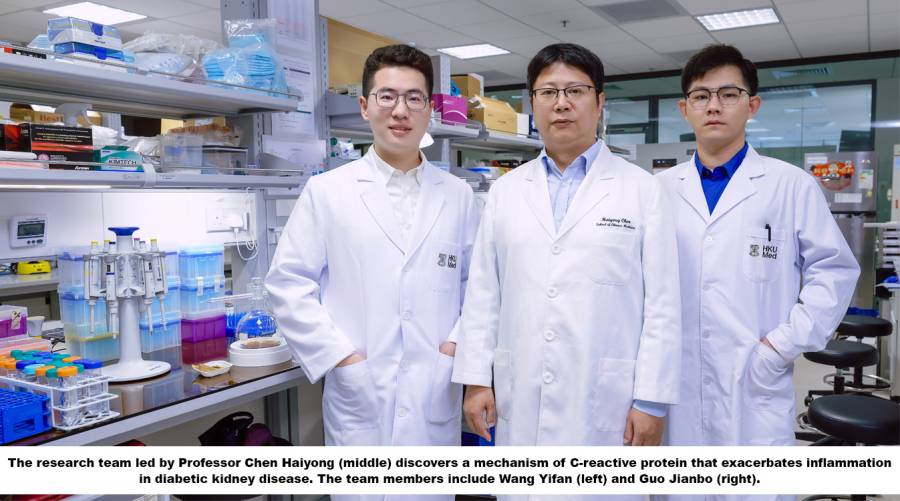
A research team from the School of Chinese Medicine at the LKS Faculty of Medicine, University of Hong Kong (HKUMed), has uncovered a crucial mechanism linking C-reactive protein (CRP) to kidney inflammation in diabetic kidney disease (DKD). Their findings reveal that CRP exacerbates kidney damage through the Smad3-NLRP3 inflammasome pathway, offering new treatment strategies for DKD patients. The study, published in Molecular Therapy, was featured as the cover story of the issue.
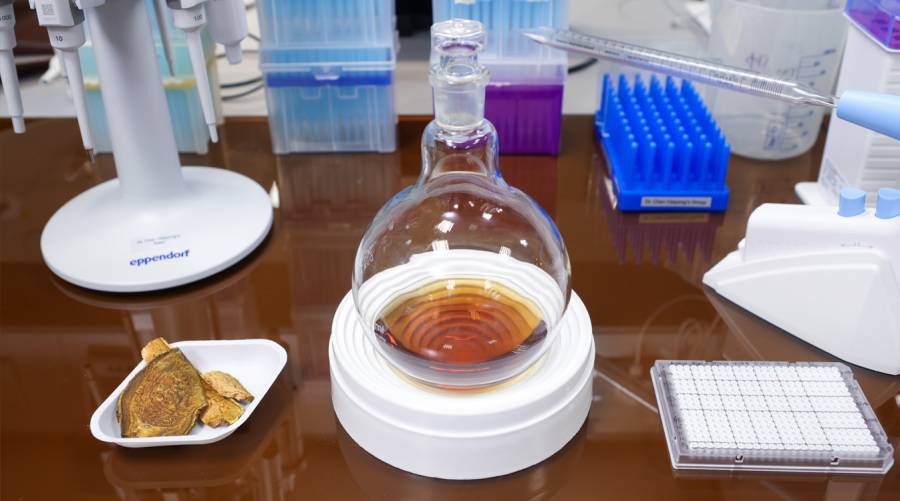
The team is now screening traditional Chinese medicine (TCM) compounds that can inhibit NLRP3 activation, potentially unlocking novel, natural treatment options for DKD patients struggling with chronic kidney inflammation.
The Global Burden of Diabetes and Kidney Disease
Diabetes is one of the most pressing global health concerns, affecting over 500 million people worldwide. This number is expected to surpass 600 million by 2030 and 700 million by 2045. DKD remains a leading cause of end-stage kidney disease (ESKD), placing an enormous financial burden on patients and healthcare systems worldwide.
C-reactive protein (CRP) is a well-known biomarker of inflammation, with elevated levels commonly found in patients with chronic diseases like diabetes. Previous studies have linked CRP to kidney fibrosis via the TGF-β/Smad3 pathway, but its role in activating the NLRP3 inflammasome remained unclear—until now.
Breakthrough Findings: How CRP Worsens Kidney Inflammation in DKD
To explore the connection between CRP and kidney function, the HKUMed research team analyzed National Health and Nutrition Examination Survey (NHANES) data from 1999 to 2010. They found that higher CRP levels in DKD patients correlated with reduced kidney function, as indicated by a lower glomerular filtration rate (GFR). This confirmed a direct negative relationship between inflammation and kidney health in diabetic patients.
To investigate further, the researchers developed a genetically modified diabetic mouse model carrying the human CRP gene. They observed a significant activation of the NLRP3 inflammasome in the kidneys of these mice, alongside an increase in Smad3 protein activation.
The Smad3-NLRP3 Connection: A New Target for DKD Treatment
To determine the role of Smad3 in inflammation, the team bred diabetic mice lacking the Smad3 gene. The results were striking—without Smad3, NLRP3 activation was significantly reduced, proving that Smad3 plays a critical role in kidney inflammation.
Further analysis revealed that activated Smad3 (P-Smad3) binds directly to the promoter region of the NLRP3 gene, driving its expression and fueling kidney inflammation in DKD patients. Identifying this precise binding site provides a potential therapeutic target for reducing kidney inflammation.
Potential for New Treatments Using Traditional Chinese Medicine
Professor Chen Haiyong, the study's lead researcher from HKUMed’s School of Chinese Medicine, emphasized the significance of these findings:
“Although previous studies identified various mechanisms of NLRP3 inflammasome activation, our research demonstrates the direct signaling pathway by which CRP triggers kidney inflammation in DKD. Blocking CRP and inhibiting the Smad3-NLRP3 pathway could provide new therapeutic options for millions of diabetes patients worldwide.”
To further explore treatment possibilities, the team is now actively screening bioactive compounds in traditional Chinese medicine (TCM) that can suppress NLRP3 activation. This research could lead to natural, plant-based therapies for managing DKD and preventing kidney failure.
Collaborating Researchers and Acknowledgments
The study was led by Professor Chen Haiyong (HKUMed), in collaboration with Professor Lan Huiyao (Chinese University of Hong Kong). Key contributors included:
- Wang Yifan, PhD student, School of Chinese Medicine, HKUMed
- Dr You Yongke, Deputy Chief Physician, Shenzhen University General Hospital (formerly HKUMed Research Associate)
- Guo Jianbo, PhD student, School of Chinese Medicine, HKUMed
This research was supported by the University Grants Committee, the Shenzhen Science and Technology Innovation Fund, and the University of Hong Kong Seed Fund. Data was sourced from NHANES and the National Center for Health Statistics.
The Future of DKD Treatment: A Paradigm Shift in Nephrology
This groundbreaking discovery paves the way for targeted therapies aimed at blocking CRP-induced inflammation in diabetic kidney disease. By inhibiting the Smad3-NLRP3 pathway, researchers may develop novel treatments to slow or even prevent kidney damage in diabetes patients.
With further research into TCM-based anti-inflammatory compounds, HKUMed aims to revolutionize the way DKD is treated, offering natural, effective solutions to combat chronic kidney inflammation.
Key Takeaways:
- CRP exacerbates DKD by activating the Smad3-NLRP3 inflammasome pathway.
- Blocking CRP or inhibiting Smad3 may offer new treatments for kidney inflammation.
- HKUMed is screening TCM-based compounds to suppress NLRP3 activation.
- The study provides a crucial breakthrough for DKD treatment strategies.
Stay Updated with the Latest Medical Research & News!
Want to stay informed about groundbreaking discoveries in healthcare and medical science? Follow us for exclusive updates, expert insights, and in-depth coverage on the latest research!
✅ Visit Our Website for more medical news: Medical News Pakistan
✅ Follow Us on Instagram for real-time updates: @medicalnewspk/
✅ Like Our Facebook Page and join the conversation: @MedicalNewsPk/
Don't miss out! Stay ahead with the latest in dental and medical research—because knowledge is the best medicine!

Advertisement
E-PAPER
Trending
Popular
Pakistan’s Dr. Misha Tanveer takes air pollution research to Europe ...
-
Calorie deficit for weight loss: How to ...
06:00 PM, 24 Aug, 2026 -
Vaccine maker warns of wider TBE, ...
05:00 PM, 21 Aug, 2026 -
FDA authorizes first robot to draw ...
06:11 PM, 20 Aug, 2026 -
One blood test for multiple cancers ...
04:52 PM, 11 Aug, 2026
Follow us on Facebook
Follow us on Twitter
Copyright ©2026 Medical News. All Rights Reserved.