
6 herbal supplements linked to liver damage risk, study warns
New research reveals millions of adults use potentially hepatotoxic herbal supplements like turmeric and ashwagandha, raising liver health concerns.
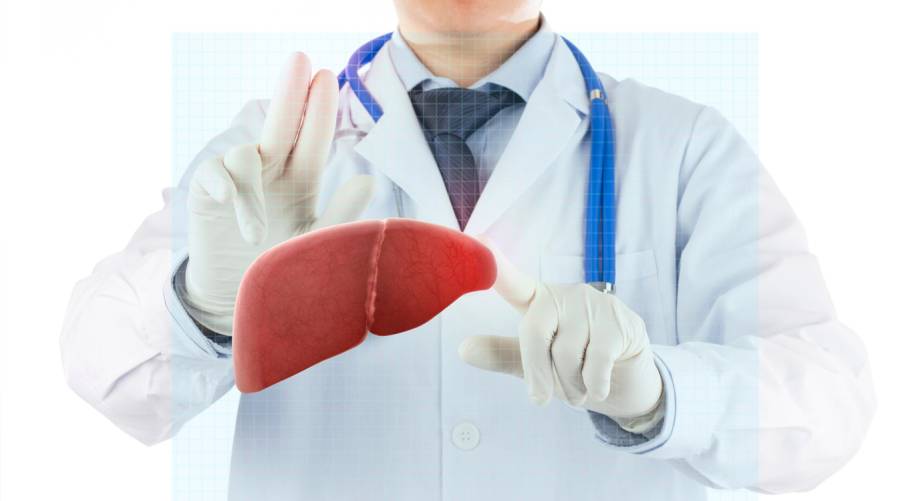
Herbal supplements like turmeric and ashwagandha may cause liver damage, study reveals
Herbal supplements like turmeric, ashwagandha, and green tea extract have gained massive popularity through social media platforms like TikTok. However, a recent study published in JAMA Network Open reveals that these “natural” remedies may not be as safe as believed — and could lead to serious liver damage.
A team of researchers from the University of Michigan found that an estimated 15.6 million U.S. adults — around 5% of the population — reported using at least one potentially hepatotoxic herbal supplement in the past 30 days. The six key herbal products identified include:
- Ashwagandha
- Black cohosh
- Garcinia cambogia
- Green tea extract
- Red yeast rice
- Turmeric or curcumin
Widespread use raises red flags
Study author Dr Alisa Likhitsup, a hepatologist and clinical assistant professor at the University of Michigan, explained that these supplements can cause liver damage due to how they are metabolized after ingestion. Some patients she treated required emergency liver transplants due to supplement-induced liver injury.
Data from the Drug Induced Liver Injury Network (DILIN) shows a concerning trend — liver injuries linked to botanical products have increased from 7% in 2004–2005 to 20% in 2013–2014.
Symptoms to watch for
People who use these supplements — especially in high doses — may experience:
- Fatigue
- Loss of appetite
- Nausea or stomach pain
- Dark urine
- Yellowing of the skin or eyes
In one case, a 57-year-old woman taking 2,250 mg of turmeric daily was hospitalized for severe liver damage. The World Health Organization (WHO) recommends limiting turmeric intake to much lower levels based on body weight.
Why “natural” doesn’t always mean safe
Unlike prescription drugs, herbal supplements are not FDA-approved before hitting the market, meaning their safety, quality, and efficacy are not guaranteed. Over 50% of these products are mislabeled or include multiple unknown ingredients.
Dr Rosario Ligresti, Chief of Gastroenterology at Hackensack University Medical Center, emphasized the urgent need for physicians to ask patients about supplement use. He cautioned that many people wrongly assume natural products are risk-free, when they can in fact cause inflammation, liver cell death, or even liver failure.
Dietitians recommend a food-first approach
According to Monique Richard, registered dietitian and founder of Nutrition-In-Sight, many people turn to supplements without understanding their effects or checking with professionals. She urges consumers to:
- Speak to a qualified healthcare provider
- Avoid self-diagnosis
- Prefer whole-food alternatives (e.g., culinary turmeric or green tea)
- Verify ingredients and dosages
- Use certified supplements when necessary
“Turn to trusted nutrition and healthcare professionals before purchasing promises in a bottle,” Richard said.
What to keep in mind
As herbal supplements continue to flood the market and dominate social media trends, experts are calling for greater awareness, regulatory scrutiny, and informed decision-making. While herbs have therapeutic potential, they should be treated with the same caution as any medication, especially when liver health is at stake.
Stay informed. Stay ahead.
CLICK HERE TO FOLLOW Medical News Pakistan WhatsApp Channel for trusted healthcare updates, expert insights, clinical research, policy news, and medical breakthroughs—delivered directly to you.

Advertisement
E-PAPER
Trending
Popular
Pakistan’s Dr. Misha Tanveer takes air pollution research to Europe ...
-
Calorie deficit for weight loss: How to ...
06:00 PM, 24 Aug, 2026 -
Vaccine maker warns of wider TBE, ...
05:00 PM, 21 Aug, 2026 -
FDA authorizes first robot to draw ...
06:11 PM, 20 Aug, 2026 -
One blood test for multiple cancers ...
04:52 PM, 11 Aug, 2026
Follow us on Facebook
Follow us on Twitter
Copyright ©2026 Medical News. All Rights Reserved.