Pakistan's doctor brain drain: Causes, consequences, and the cure
How Pakistan can stop the exodus of physicians by fixing pay, safety, training, and career pathways—before the healthcare system breaks.
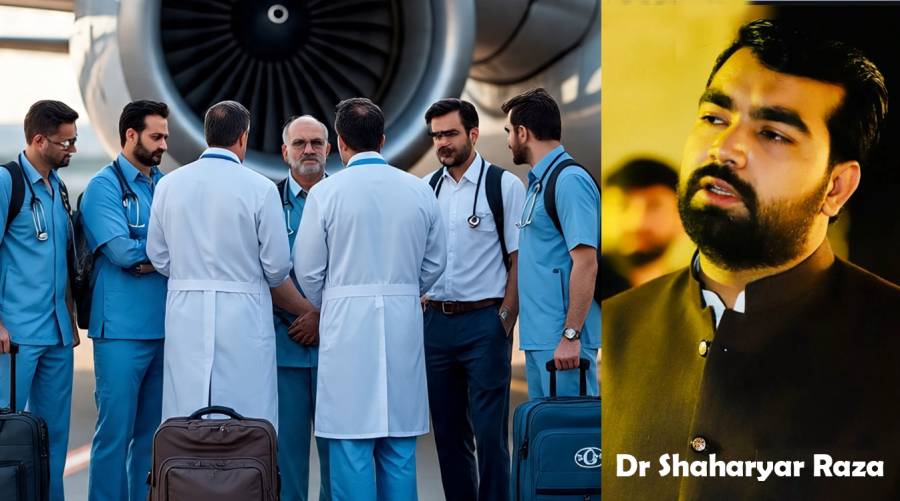
By: Dr. Shaharyar Raza, President, Young Doctors Association, Karachi
Pakistan is in the grip of a serious crisis: our young medical professionals—the ones we train, invest in, and expect to serve our nation—are increasingly choosing to leave. This ongoing brain drain poses an existential risk to our healthcare system.
In the first half of 2025, over 335,000 Pakistanis emigrated—many were skilled professionals, including doctors and nurses. Among that group, approximately 849 Pakistani specialised doctors /consultants secured foreign employment, signaling a rapid exodus of healthcare talent.
This means, every year around 3000 qualified, specialised doctors are leaving Pakistan. This figure builds on previous data—10,000 overall doctors left Pakistan in 2023—a trend that continues.
According to previous survey data, 80%+ of final-year medical students in top government colleges want to leave the country.
A staggering figure: per one study, 83% of doctors agreed that inadequate pay and inequitable overtime were forcing them to go abroad.
Why are doctors leaving?
- Low salaries and poor compensation structures (over 90%)
- Disrespect, and security concerns
- No transparent career growth or specialization opportunities
- Unsafe working environments (especially for female doctors)
- Lack of merit-based postings and promotions
- Excessive working hours, unsafe conditions, and lack of training opportunities
- Political instability, personal security concerns, and cultural barriers—women especially feel discouraged by societal and workplace limitations
Pakistan spends millions on subsidizing MBBS seats — but other countries benefit from our talent.
What must the government do?
- Raise compensation and service standards
- Guarantee a minimum salary benchmark for trainees and practicing physicians.
- Introduce overtime pay and performance-based incentives.
- Improve physical infrastructure, basic amenities, and medical supplies.
- Expand postgraduate training within Pakistan
- Ensure safety, job security, and institutional justice
- Enforce strict protection laws for medical staff facing violence or harassment.
- Implement transparent, merit-based policing of postings and promotions.
- Support female doctors
- Provide secure workplaces, flexible duty rosters, and on-site childcare facilities to encourage retention.
A message to government and health authorities (policy makers), public & media
If this exodus continues, Pakistan’s public healthcare system will collapse — hospitals will face critical staff shortages, rural areas will be left without doctors, patient deaths will rise, and the country will be forced to import foreign-trained doctors at ten times the cost. We won’t just lose doctors — we’ll lose lives.
We are not simply pointing fingers—we are issuing a call for reform. With political will, investment, and visionary policy, Pakistan can become a place where doctors choose to stay, lead, and heal—not leave.
“If we don’t heal our healers, who will heal Pakistan?”
The Young Doctors Association stands ready to collaborate with provincial and federal health authorities on a National Doctor Retention & Empowerment Plan. Only decisive action today can safeguard the future of Pakistan’s healthcare.
Stay informed. Stay ahead.
CLICK HERE TO FOLLOW Medical News Pakistan WhatsApp Channel for trusted healthcare updates, expert insights, clinical research, policy news, and medical breakthroughs—delivered directly to you.
Advertisement
E-PAPER
Trending
Popular
Pakistan’s Dr. Misha Tanveer takes air pollution research to Europe ...
-
Calorie deficit for weight loss: How to ...
06:00 PM, 24 Aug, 2026 -
Vaccine maker warns of wider TBE, ...
05:00 PM, 21 Aug, 2026 -
FDA authorizes first robot to draw ...
06:11 PM, 20 Aug, 2026 -
One blood test for multiple cancers ...
04:52 PM, 11 Aug, 2026
Follow us on Facebook
Follow us on Twitter
Copyright ©2026 Medical News. All Rights Reserved.