
34 million in danger as Sudan’s health system breaks down
With hospitals shut, diseases spreading, and millions displaced, WHO warns Sudan’s collapsing healthcare system is pushing an entire nation deeper into survival mode.
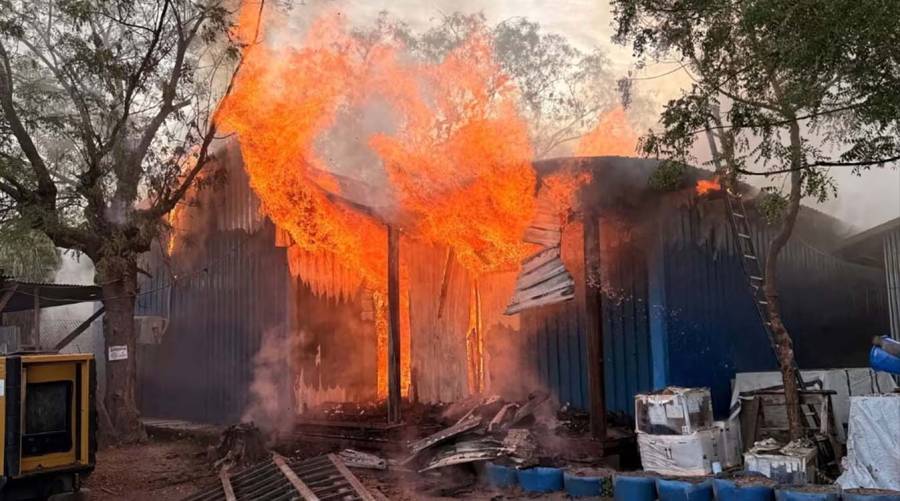
Three years of relentless conflict have pushed World Health Organization and humanitarian partners into one of the most challenging crises of this generation, as Sudan becomes the epicenter of the world’s largest humanitarian and displacement emergency.
According to a fresh WHO situation update, nearly 34 million people are now in urgent need of humanitarian assistance — including 21 million requiring immediate health care support. Behind these numbers lies a devastating reality: hospitals destroyed, health workers under attack, and entire communities cut off from basic medical care.
Related story: Sudan hospitals under attack: WHO, UNICEF warn of deadly collapse in child and emergency care
As fighting continues across multiple regions, Sudan’s fragile health system is not just struggling — it is collapsing.
Hospitals closed, diseases spreading, lives at risk
The scale of the crisis is staggering. Over 37% of health facilities across Sudan are non-functional, leaving millions without access to essential care.
At the same time, outbreaks of malaria, measles, cholera, dengue, hepatitis E, meningitis, diphtheria, and polio are spreading across multiple states including Darfur, Khartoum, Kordofan, and River Nile regions.
Compounding the crisis, more than 4 million people are acutely malnourished, making them highly vulnerable to infection and complications.
Related story: Middle East conflict triggers health emergency; hospitals attacked, supply chains collapse, millions at risk: WHO
Health experts warn that hunger and disease are now fueling each other in a dangerous cycle.
Attacks on healthcare deepen humanitarian fallout
One of the most alarming aspects of the crisis is the direct targeting of health infrastructure. Since April 2023, WHO has verified:
- 217 attacks on healthcare services
- 2,052 deaths
- 810 injuries
Hospitals, ambulances, patients, and medical workers have all been caught in the crossfire, forcing many facilities to shut down completely or operate at minimal capacity.
A recent devastating attack on El Daein Teaching Hospital in East Darfur alone reportedly caused at least 64 deaths, including children and health workers, and rendered a key referral hospital completely non-functional.
Dangerous journeys for basic care
With hospitals shut or overwhelmed, families are being forced to travel long, unsafe distances just to access treatment.
In conflict-hit areas such as Darfur and Kordofan, entire communities are cut off from care, with patients — including critically ill children — risking their lives on dangerous journeys in search of help.
WHO response: Millions reached, but needs growing
Despite immense challenges, World Health Organization and partners continue to respond at scale.
Key interventions include:
• Delivery of 3,300+ metric tons of medicines and medical supplies
• Support reaching 4.1 million people through health services
• Vaccination coverage of 46 million people across cholera, polio, measles, rubella, and diphtheria campaigns
• Treatment support for 118,000+ children suffering from severe acute malnutrition
• Strengthening laboratories, disease surveillance, and emergency response systems
Sudan has also become the first country in the region to introduce malaria vaccines into routine immunization programs.
WHO leadership warns: “Peace is the only medicine”
WHO Director-General Dr. Tedros Adhanom Ghebreyesus emphasized that Sudan’s crisis is fundamentally a human-made catastrophe:
“The war in Sudan is devastating lives and denying people their most basic rights… Doctors and health workers can save lives, but they must have safe places to work… Ultimately, the best medicine is peace.”
WHO Regional Director for the Eastern Mediterranean, Dr. Hanan Balkhy, also warned that the situation is worsening in active conflict zones despite some improvements in limited areas.
A system fighting to stay alive
While humanitarian partners continue to scale up support, WHO officials stress that aid alone is not enough.
Sudan’s health system requires:
• Immediate and sustained peace
• Protection of healthcare workers and facilities
• Unrestricted humanitarian access
• Long-term financial and medical system rebuilding
Without these, experts warn, the country risks sliding further into one of the most severe health catastrophes of modern times.
Stay informed, stay protected
CLICK HERE TO JOIN Medical News Pakistan on WhatsApp for real-time health alerts, expert insights, and breakthrough medical discoveries.

Advertisement
E-PAPER
Trending
Popular
Pakistan’s Dr. Misha Tanveer takes air pollution research to Europe ...
-
Calorie deficit for weight loss: How to ...
06:00 PM, 24 Aug, 2026 -
Vaccine maker warns of wider TBE, ...
05:00 PM, 21 Aug, 2026 -
FDA authorizes first robot to draw ...
06:11 PM, 20 Aug, 2026 -
One blood test for multiple cancers ...
04:52 PM, 11 Aug, 2026
Follow us on Facebook
Follow us on Twitter
Copyright ©2026 Medical News. All Rights Reserved.