
Before you take another omega-3 pill, read this first
Fish oil, omega-3, capsules, supplements — they all sound the same, but the science behind them tells a very different story that could change your health choices.
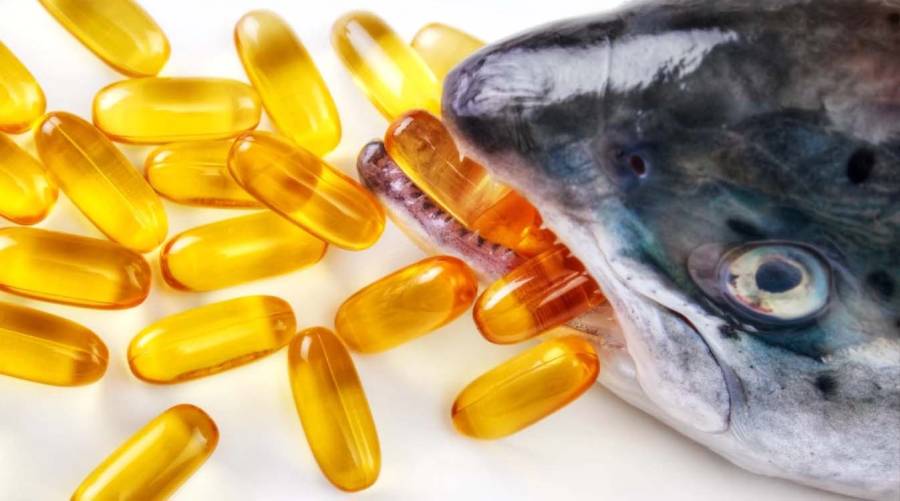
Millions of people take omega-3 supplements daily believing they are protecting their heart, boosting brain power, and improving overall health. But what most people don’t realize is this: not all “omega-3” products are the same — and some confusion around them could affect how effectively they actually work in your body.
At the center of this global health conversation is Omega-3 Fatty Acids, essential fats your body cannot produce on its own and must obtain from food or supplements.
But here’s the twist — fish oil is not omega-3 itself.
Fish oil vs omega-3: the real difference
Fish oil is simply oil extracted from fish tissue. It contains omega-3 fatty acids, but also includes other fats and nutrients.
Meanwhile, Omega-3 Fatty Acids are the actual active compounds your body depends on, mainly:
- EPA (Eicosapentaenoic acid)
- DHA (Docosahexaenoic acid)
- ALA (Alpha-linolenic acid)
EPA and DHA are found mostly in fatty fish and marine sources, while ALA is present in plant-based foods like flaxseeds, chia seeds, walnuts, and certain vegetable oils.
So when you take fish oil, you are consuming a source of omega-3 — not omega-3 itself.
Not just fish oil: other omega-3 sources
Omega-3 fatty acids are available in multiple forms, including:
- Cod liver oil
- Krill oil
- Algal oil (plant-based and vegetarian-friendly)
- Flaxseed oil
In some cases, prescription omega-3 medicines like Lovaza and Vascepa are also used for patients with heart conditions under strict medical supervision.
Why omega-3 is so important for your body
Research suggests omega-3 fatty acids may support:
- Heart health by reducing cardiovascular risk
- Brain function, memory, and cognition
- Mood support, especially in depression-related symptoms
- Reduced inflammation in conditions like arthritis
- Blood pressure regulation
Some studies suggest EPA-rich omega-3 formulations may have stronger effects on heart health compared to mixed formulations.
But more is not always better
The recommended intake is generally 250–500 mg per day of EPA + DHA, while higher doses (up to 3 grams daily) should only be taken under medical supervision.
Possible side effects include:
- Fishy aftertaste
- Heartburn or digestive discomfort
- Nausea or vomiting
- Headache
- Increased bleeding risk in some individuals
People on blood thinners or diabetes medications should be especially cautious.
Food first, supplements second
Experts still recommend getting omega-3 from natural food sources when possible:
- Salmon
- Mackerel
- Sardines
- Flaxseeds
- Chia seeds
- Walnuts
Supplements can help, but they are not always a replacement for a balanced diet.
The bottom line
Before you take another omega-3 pill, remember this: fish oil is only a carrier — the real health benefits come from omega-3 fatty acids themselves.
Understanding the difference between the two can help you make smarter, safer, and more effective health choices.
For personalized guidance, always consult a qualified healthcare professional before starting supplements.
Stay informed, stay protected
CLICK HERE TO JOIN Medical News Pakistan on WhatsApp for real-time health alerts, expert insights, and breakthrough medical discoveries.

Advertisement
E-PAPER

Trending
Popular
Pakistan’s Dr. Misha Tanveer takes air pollution research to Europe ...
-
Calorie deficit for weight loss: How to ...
06:00 PM, 24 Aug, 2026 -
Vaccine maker warns of wider TBE, ...
05:00 PM, 21 Aug, 2026 -
FDA authorizes first robot to draw ...
06:11 PM, 20 Aug, 2026 -
One blood test for multiple cancers ...
04:52 PM, 11 Aug, 2026
Follow us on Facebook
Follow us on Twitter
Copyright ©2026 Medical News. All Rights Reserved.