
WHO extends Pakistan travel restrictions over escalating polio risks
Despite robust anti-polio campaigns, rising environmental polio samples and cross-border transmission force WHO to extend three-month travel restrictions on Pakistan.
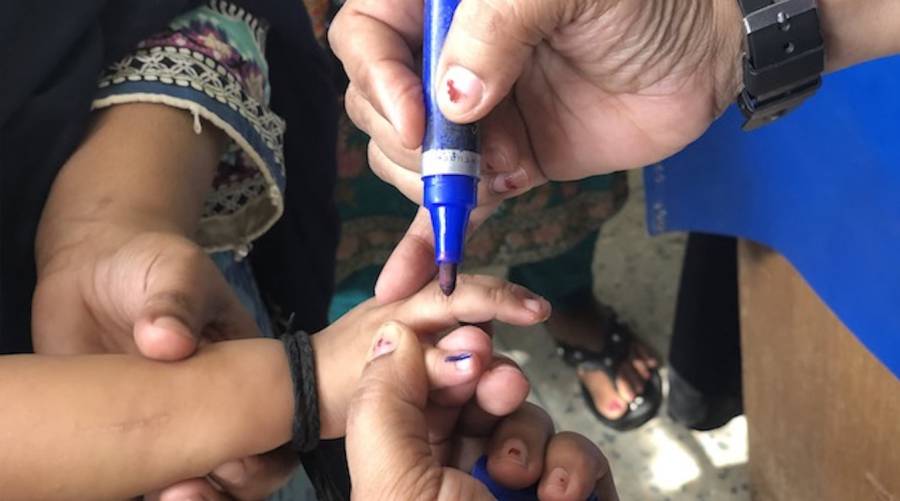
WHO extends travel restrictions on Pakistan amid polio concerns
Introduction
The World Health Organization (WHO) has extended travel restrictions on Pakistan for three months. This decision, announced during the 41st meeting of the Polio IHR Emergency Committee on March 6, 2025, comes amid mounting evidence that Pakistan and Afghanistan continue to fuel the international spread of the poliovirus.
Key findings from the WHO statement
The WHO Emergency Committee, which convened virtually with representatives from polio-affected countries, reviewed the current status of polio eradication efforts and the global spread of the virus. The committee’s findings underscore several concerns:
Ongoing threat to global eradication
- The committee reiterated that Pakistan—and its neighbor Afghanistan—remain significant sources of the wild poliovirus type 1 (WPV1). Despite recent improvements, these countries are still responsible for ongoing international transmission.
Rising environmental samples
- Alarmingly, environmental surveillance in Pakistan has reported a twelvefold increase in polio-positive samples between 2023 and 2024. In the current year alone, 628 polio-positive samples have been detected, with new districts reporting cases. This surge signals that the virus is not only persisting but also expanding to previously unaffected areas.
Concentration in high-risk regions
- The active circulation of the YB3A4A B-cluster of the poliovirus remains particularly prevalent in key regions including Khyber Pakhtunkhwa (KP), Sindh, and Balochistan. Urban areas such as Karachi, Peshawar, and Quetta have emerged as hotspots for WPV1, exacerbating the risk of cross-border transmission with Afghanistan.
Immunization and campaign challenges
- While WHO acknowledged Pakistan’s intensified efforts in anti-polio initiatives, the committee stressed that further improvements are needed at both provincial and district levels. Concerns were raised about the robustness of immunization standards—especially given the unexpected spread of the virus during the low transmission season, which may foreshadow a more significant outbreak during the high transmission period.
Impact of the extended travel restrictions
The three-month extension of travel restrictions is designed to prompt Pakistan to enhance its public health measures and strengthen its immunization campaigns. The decision sends a clear message:
Enhanced surveillance and targeted campaigns
- To counter the escalating risks, Pakistan is urged to implement more effective vaccination drives in vulnerable districts and high-risk provinces.
Cross-border cooperation:
- The restrictions underscore the critical need for coordinated efforts between Pakistan and Afghanistan. Addressing cross-border transmission, especially from southern KP and the Quetta block, is essential for breaking the cycle of virus spread.
These measures are not punitive but reflect the WHO’s commitment to eradicating polio globally. According to the WHO statement, safeguarding the progress made over decades is vital before lifting travel restrictions.
The broader global context
The statement comes at a time when the global polio eradication initiative is at a critical juncture. Despite successful campaigns in many regions, Pakistan and Afghanistan continue to account for the majority of new WPV1 cases. The WHO expressed both satisfaction with the quality of Pakistan’s anti-polio campaigns and deep concern over the observed setbacks in environmental surveillance data.
Moving forward:
Given the current situation, the WHO has provided several recommendations to Pakistani health authorities:
Increase immunization coverage:
- Implement comprehensive vaccination campaigns in all vulnerable areas, with a focus on districts showing recent surges.
Enhance quality assurance:
- Improve immunization standards at provincial and district levels to ensure that every child receives effective protection.
Strengthen cross-border collaboration:
- Work closely with Afghanistan to monitor and control the spread of WPV1 and prevent further international transmission.
Expand surveillance efforts:
- Intensify environmental sampling to detect poliovirus circulation promptly, allowing for swift public health responses.
Conclusion
The WHO’s decision to extend travel restrictions on Pakistan serves as a crucial reminder that despite commendable progress, the challenge of polio eradication is far from over. With rising polio-positive environmental samples and persistent virus circulation in high-risk regions, both Pakistan and Afghanistan remain pivotal in the global fight against polio.

Advertisement
E-PAPER
Trending
Popular
Pakistan’s Dr. Misha Tanveer takes air pollution research to Europe ...
-
Calorie deficit for weight loss: How to ...
06:00 PM, 24 Aug, 2026 -
Vaccine maker warns of wider TBE, ...
05:00 PM, 21 Aug, 2026 -
FDA authorizes first robot to draw ...
06:11 PM, 20 Aug, 2026 -
One blood test for multiple cancers ...
04:52 PM, 11 Aug, 2026
Follow us on Facebook
Follow us on Twitter
Copyright ©2026 Medical News. All Rights Reserved.