PAHO issues FIFA World Cup 2026 health alert as Ebola travel rules tighten
Pan American Health Organization urges vaccinations, heat safety and disease prevention ahead of the 2026 FIFA World Cup, while the US, Canada and Mexico strengthen Ebola-related travel measures
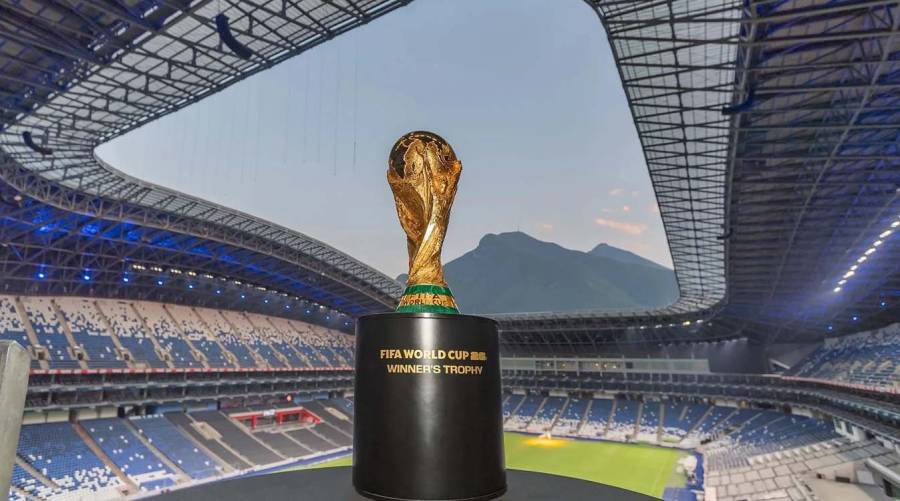
As millions of football fans prepare to travel across North America for the FIFA World Cup 2026, the Pan American Health Organization (PAHO) has issued a comprehensive public health advisory aimed at helping travelers stay safe during one of the world's largest sporting events. The recommendations come at a time when host nations are also tightening Ebola-related travel measures amid an ongoing outbreak in parts of Africa.
The FIFA World Cup 2026, which will be jointly hosted by the United States, Canada, and Mexico, is expected to attract millions of spectators, athletes, staff members, and tourists across dozens of host cities. Public health authorities warn that such large international gatherings can increase the risk of infectious disease transmission, heat-related illnesses, injuries, and travel-related health emergencies.
What is PAHO?
PAHO, the Pan American Health Organization, is the specialized international public health agency for the Americas and serves as the Regional Office for the Americas of the World Health Organization (WHO).
The organization works with governments across North, Central, and South America to strengthen disease surveillance, vaccination programs, emergency preparedness, and public health systems. Ahead of the World Cup, PAHO launched its “With Health, We All Win” campaign to promote preventive health measures among travelers and attendees.
Vaccination tops PAHO's recommendations
One of PAHO's strongest messages is that travelers should ensure they are up to date with routine vaccinations before attending the tournament.
The organization has placed particular emphasis on measles vaccination, citing a recent increase in cases across the Americas, including in all three host countries. PAHO notes that measles is among the most contagious diseases known and can spread rapidly in crowded environments such as stadiums, fan zones, airports, public transport systems, and hospitality venues.
Beyond measles immunization, PAHO also recommends that travelers review and update their vaccination status for other preventable diseases, including influenza, COVID-19, hepatitis A, hepatitis B, and Tdap (tetanus, diphtheria, and pertussis), as appropriate based on their age, health status, vaccination history, and specific travel plans. Ensuring protection against these infections can help reduce the risk of illness during international travel and participation in large-scale events such as the FIFA World Cup 2026.
Heat, hydration and crowd safety concerns
The World Cup will be played during the North American summer, creating additional health risks associated with high temperatures and dehydration.
PAHO recommends frequent hydration, limiting activity during peak heat hours, seeking shade when possible, and recognizing early signs of heat exhaustion and heat stroke. The organization also encourages travelers to remain aware of their surroundings in crowded venues and identify emergency exits when entering stadiums and fan zones.
Mosquito-borne diseases also on the radar
Health authorities are also warning visitors about mosquito-borne diseases in certain host regions, particularly parts of Mexico where dengue, Zika, and chikungunya transmission remains a concern.
PAHO advises the use of insect repellents, protective clothing, and other preventive measures to reduce exposure.
Ebola travel rules tighten ahead of tournament
While PAHO's advisory focuses primarily on common travel health risks, the build-up to the World Cup has also been influenced by international concern over an Ebola outbreak in parts of Africa.
The United States, Canada, and Mexico have jointly announced coordinated public health travel measures for individuals arriving from regions considered at highest risk for Ebola transmission. Officials say the measures are intended to protect residents and the millions of visitors expected during the tournament while maintaining cross-border travel and commerce.
According to official announcements and government statements:
United States
The US has implemented travel restrictions affecting certain non-citizens who recently visited Ebola-affected countries, including the Democratic Republic of Congo, Uganda, and South Sudan. Additional screening and monitoring protocols have also been introduced.
Canada
Canada has announced temporary restrictions affecting travelers from Ebola-affected regions. Authorities have also implemented quarantine requirements and health monitoring measures for eligible travelers arriving from affected areas.
Mexico
Mexico has strengthened airport health screening procedures, advised against travel to affected Ebola regions, and introduced quarantine-related measures for certain arriving travelers.
The three countries described the approach as a coordinated regional effort designed to safeguard public health during the World Cup.
What is FIFA doing?
FIFA has been working with host governments and local authorities on health and safety planning for the tournament.
Recent measures announced by FIFA include heat-mitigation strategies such as hydration stations, cooling tents, misting areas, and fan-cooling infrastructure around venues. FIFA has also updated stadium policies related to water bottle access in response to concerns about heat exposure during summer matches.
The governing body has additionally indicated that it is monitoring health-related developments that could affect participating teams and spectators.
Health experts say measles may pose a greater risk than Ebola
Although Ebola has attracted significant public attention because of the new travel restrictions, public health experts emphasize that measles and other highly contagious respiratory illnesses may represent a more immediate risk during a mass gathering involving millions of international travelers.
Unlike Ebola, which spreads through direct contact with infected bodily fluids, measles can spread rapidly through the air and has recently resurged in multiple regions. This is one reason PAHO has placed vaccination at the center of its World Cup health campaign.
Preparing for a safe World Cup
PAHO advises travelers to carry sufficient medications, maintain travel health insurance, keep copies of vaccination records, stay hydrated, practice good hand hygiene, and seek medical attention promptly if symptoms such as fever, rash, or respiratory illness develop during or after travel.
With millions expected to travel across North America over the coming weeks, health authorities say personal preparedness, vaccination, and adherence to public health guidance will be essential to ensuring that the FIFA World Cup 2026 remains both a sporting celebration and a public health success.
Stay informed, stay alert
CLICK HERE TO JOIN Medical News Pakistan on WhatsApp for real-time health alerts, expert insights, and breakthrough medical discoveries.

Advertisement
E-PAPER
Trending
Popular
Pakistan’s Dr. Misha Tanveer takes air pollution research to Europe ...
-
Calorie deficit for weight loss: How to ...
06:00 PM, 24 Aug, 2026 -
Vaccine maker warns of wider TBE, ...
05:00 PM, 21 Aug, 2026 -
FDA authorizes first robot to draw ...
06:11 PM, 20 Aug, 2026 -
One blood test for multiple cancers ...
04:52 PM, 11 Aug, 2026
Follow us on Facebook
Follow us on Twitter
Copyright ©2026 Medical News. All Rights Reserved.