
RFK Jr fires CDC vaccine advisory panel over conflict of interest claims
US Health Secretary Robert F. Kennedy Jr ousts all 17 CDC vaccine advisers, citing ethics concerns—triggering national debate over vaccine policy and public trust.
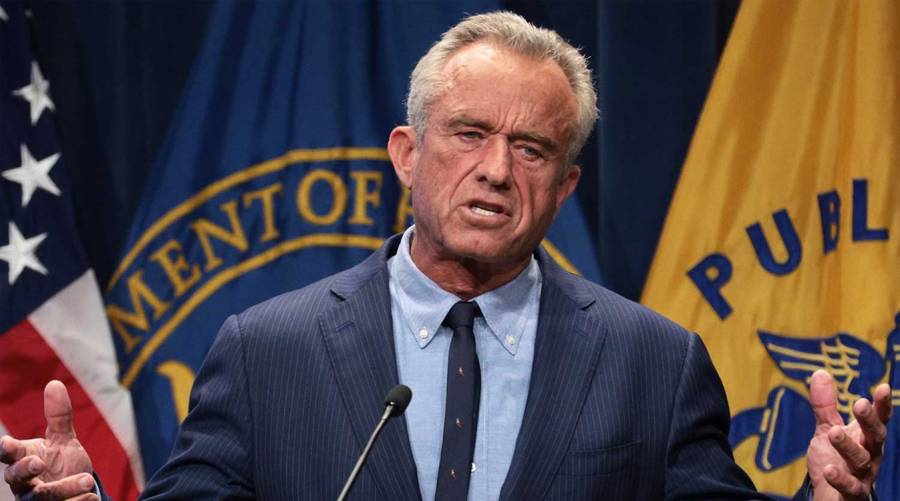
RFK Jr removes entire CDC vaccine advisory committee over alleged conflicts of interest
WASHINGTON: In a stunning move, US Health Secretary Robert F. Kennedy Jr has dismissed all 17 members of the CDC’s Advisory Committee on Immunization Practices (ACIP)—a key panel that guides national vaccine recommendations—citing “multiple conflicts of interest” among its members.
The decision has sparked sharp criticism from leading medical professionals and public health organizations, raising concerns over vaccine access, declining public trust, and the politicization of scientific policy.
A controversial clean sweep
Kennedy, a long-time critic of conventional vaccination programs, defended the decision in a Wall Street Journal op-ed, arguing that a “clean sweep” was necessary to restore public confidence in vaccine science.
“Many of the committee members had ongoing conflicts and affiliations that clouded their impartiality,” Kennedy wrote, adding that the previous administration wouldn’t have been able to refresh the board until 2028 without taking action.
Although ACIP members are required to disclose financial and professional conflicts, Kennedy’s office claimed the current disclosure process was insufficient and lacked transparency.
What does the CDC advisory committee do?
The Advisory Committee on Immunization Practices (ACIP) is responsible for reviewing vaccine safety and efficacy data, and making recommendations on which vaccines should be used and for whom. Its guidelines directly impact childhood immunization schedules and public health strategies.
Medical community reacts sharply
Leading voices in the healthcare sector are calling the decision reckless. Dr. Tom Frieden, former CDC Director and President of Resolve to Save Lives, warned the move undermines scientific credibility built over decades.
“We’ll look back at this as a grave mistake that sacrificed scientific integrity for politics,” Frieden said.
Other experts echoed the sentiment:
Dr. Georges Benjamin (APHA): “This is a coup. It threatens years of evidence-based policy.”
Dr. Bruce Scott (AMA): Warned of increased disease outbreaks due to falling vaccination rates and a damaged public health apparatus.
A history of anti-vaccine activism
Before taking office, Kennedy was widely recognized as a leading figure in the anti-vaccine movement. He has frequently questioned the safety and necessity of routine vaccinations—stances that have drawn both fervent support and heavy backlash.
Last month, Kennedy made another controversial decision by removing the CDC’s recommendation for COVID-19 vaccines for children and pregnant women—without first consulting ACIP. That guidance is now left to individual healthcare providers and families.
What's next?
Kennedy plans to appoint a new set of advisers to the CDC panel in the coming weeks. His office says the new committee will be comprised of independent experts without industry ties, although critics fear the replacements may be ideologically aligned rather than scientifically vetted.
The broader concern remains: Will public trust in vaccinations—and in the CDC itself—survive such a dramatic shake-up? With vaccination rates already declining across the US, many health leaders fear that this move may exacerbate a dangerous trend.
CLICK HERE TO FOLLOW Medical News Pakistan WhatsApp Channel for trusted industry updates, insights, and innovations.

Advertisement
E-PAPER
Trending
Popular
Pakistan’s Dr. Misha Tanveer takes air pollution research to Europe ...
-
Calorie deficit for weight loss: How to ...
06:00 PM, 24 Aug, 2026 -
Vaccine maker warns of wider TBE, ...
05:00 PM, 21 Aug, 2026 -
FDA authorizes first robot to draw ...
06:11 PM, 20 Aug, 2026 -
One blood test for multiple cancers ...
04:52 PM, 11 Aug, 2026
Follow us on Facebook
Follow us on Twitter
Copyright ©2026 Medical News. All Rights Reserved.