
Over 1 billion people living with mental health conditions, WHO warns of urgent action
New WHO reports highlight global mental health crisis, economic toll, and urgent need for investment ahead of 2025 UN high-level meeting.
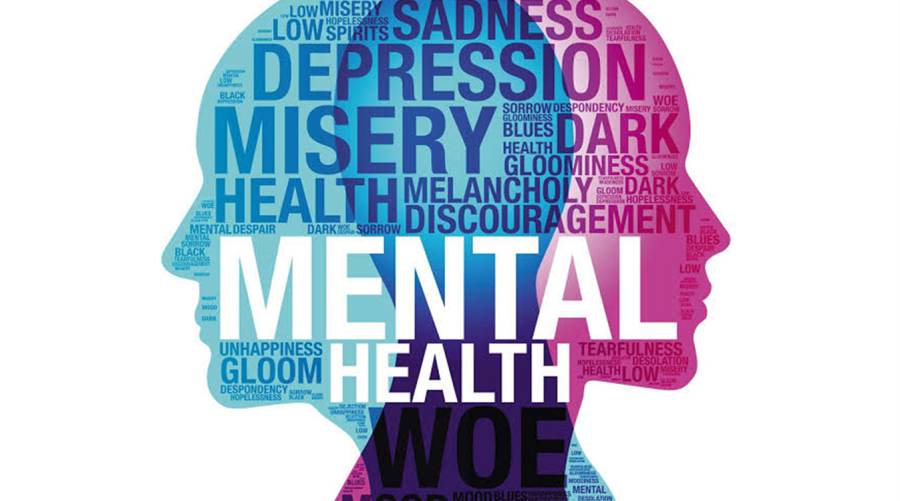
WHO reports show over 1 billion people living with mental health disorders worldwide
More than 1 billion people are living with mental health disorders globally, according to new data released by the World Health Organization (WHO). The findings, presented in the latest World Mental Health Today and Mental Health Atlas 2024 reports, reveal that conditions such as anxiety and depression are exacting enormous human, social, and economic costs.
While several countries have updated mental health policies and programs, WHO warns that urgent global action is needed to expand access to care, scale up services, and safeguard mental well-being.
Growing prevalence and human impact
Mental health conditions like anxiety and depression remain highly prevalent across all regions, cutting across age, gender, and income levels. They are now the second leading cause of long-term disability, significantly reducing quality of life and increasing health-care costs for families.
Suicide continues to be a devastating consequence, claiming an estimated 727,000 lives in 2021 alone. It remains one of the top causes of death among young people worldwide. Despite efforts, global suicide reduction is far behind the UN Sustainable Development Goal (SDG) of a one-third decrease by 2030, with projections showing only a 12% reduction at the current pace.
The economic toll of mental health
The global economic burden of mental health disorders is staggering. Depression and anxiety alone cost the global economy an estimated US$ 1 trillion annually, mostly due to lost productivity. The indirect costs far outweigh direct health-care expenses, highlighting the urgency of systemic investment.
Gaps in investment and legal reform
The 2024 Mental Health Atlas shows that, despite some policy progress, financing and legal reforms remain inadequate. Key findings include:
- Median government spending on mental health remains at just 2% of total health budgets, unchanged since 2017.
- High-income countries spend up to US$ 65 per person on mental health, compared to as little as US$ 0.04 in low-income countries.
- The global median number of mental health workers is 13 per 100,000 people, with extreme shortages in low- and middle-income nations.
- Only 45% of countries have laws fully aligned with international human rights standards.
- Community-based mental health services remain underdeveloped, with fewer than 10% of countries having completed the transition away from psychiatric hospitals. Inpatient care continues to dominate, with nearly half of admissions still involuntary and more than 20% lasting longer than a year.
Areas of progress and opportunities
Despite the challenges, there are positive developments:
- Over 80% of countries now integrate mental health support into emergency responses, up from 39% in 2020.
- School-based mental health programs, suicide prevention initiatives, and early childhood interventions are expanding.
- Outpatient services and tele-mental health options are becoming more available, although access remains uneven.
- Integration of mental health into primary care is advancing, with 71% of countries meeting at least three WHO criteria.
WHO calls for urgent global action
WHO Director-General Dr Tedros Adhanom Ghebreyesus emphasized the need for urgent transformation of mental health services, stating:
“Investing in mental health means investing in people, communities, and economies – an investment no country can afford to neglect. Every government and every leader has a responsibility to act with urgency and to ensure that mental health care is treated not as a privilege, but as a basic right for all.”
Ahead of the United Nations High-Level Meeting on noncommunicable diseases and promotion of mental health and well-being in September 2025, WHO is urging governments to:
- Increase equitable financing for mental health services.
- Reform laws and policies to protect human rights.
- Expand and train the mental health workforce.
- Strengthen community-based, person-centered care.
The reports reaffirm that addressing mental health is not only a public health necessity but also an economic and social imperative. Without urgent scale-up, the world risks failing millions of people who need care and support.
Stay updated with Medical News Pakistan
CLICK HERE TO JOIN Medical News WhatsApp community to get the latest updates on global health guidelines, medical research, and expert insights directly on your phone.

Advertisement
E-PAPER
Trending
Popular
Tea for a healthier heart? Read this before your next sip
-
37 AKU researchers join world's top 2% ...
06:47 PM, 16 Oct, 2026 -
Could a heart calcium scan reveal your ...
01:36 PM, 13 Oct, 2026 -
One blood test, 50+ cancers: What the ...
05:27 PM, 12 Oct, 2026 -
WHO rules out weight-loss drugs for ...
04:38 PM, 9 Oct, 2026
Follow us on Facebook
Follow us on Twitter
Copyright ©2026 Medical News. All Rights Reserved.