
How emotions affect memory and what you can do to improve it
Strong emotions can sharpen or distort memory recall. Experts explain how emotional regulation, stress management, and mindfulness can help strengthen memory and mental clarity.
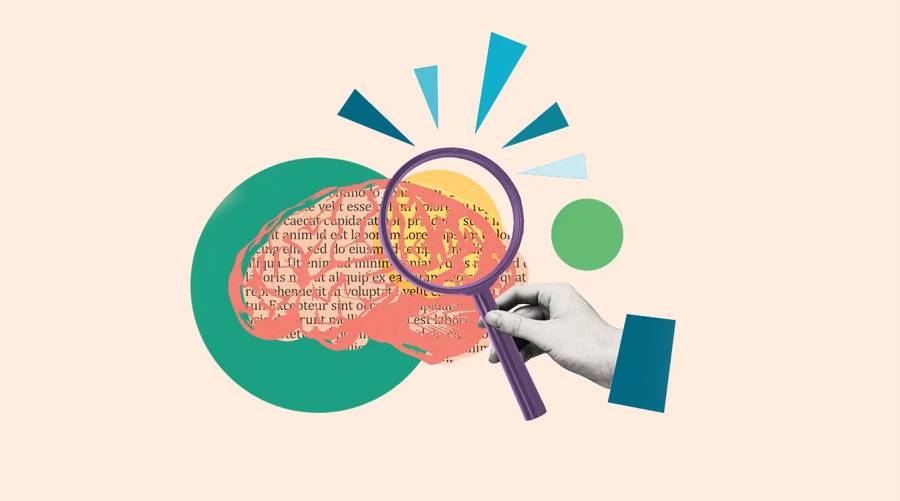
How emotions affect memory and ways to improve emotional regulation for better recall
Emotions play a powerful role in how memories are formed, stored, and recalled. According to mental health experts and neuroscientists, strong emotional experiences — whether positive or negative — can influence memory accuracy, sometimes enhancing details while other times distorting them.
Understanding the link between emotions and memory
Your emotions serve as reactions to events, shaping what your brain chooses to remember. Feelings such as fear, anger, or excitement activate both the amygdala and hippocampus, two critical areas of the brain involved in emotional processing and memory formation. When these systems work together, emotional memories often become stronger and more vivid.
For instance, people tend to remember emotionally charged moments, such as a first kiss or a stressful incident, much more clearly than routine experiences like brushing their teeth. The emotional “charge” makes the memory more resilient.
How stress influences memory performance
Stress hormones, particularly cortisol, significantly impact how memories are encoded and recalled. Short-term stress may temporarily enhance memory recall — such as remembering key details right before an exam — but prolonged stress can impair the brain’s ability to store and retrieve information effectively.
Chronic stress or mental health conditions such as depression, anxiety, or PTSD can lead to continuous cortisol release, damaging neurons in memory-related regions of the brain. This can make it difficult to remember everyday details, concentrate, or learn new information.
Emotional bias and memory perception
Emotions not only shape what we remember but also how we interpret those memories. Younger individuals often display a “negativity bias,” focusing more on unpleasant memories or mistakes, while older adults may lean toward recalling positive experiences as part of a “positivity bias.”
Both tendencies serve adaptive purposes — remembering negative experiences helps avoid danger, while focusing on positive ones promotes emotional well-being. However, an excessive negativity bias can contribute to depression, while excessive positivity bias may cause people to overlook past mistakes and repeat them.
How to manage emotions to support better memory
Experts recommend practical strategies to balance emotions and enhance cognitive function:
- Reduce stress levels through meditation, deep breathing, or regular physical activity.
- Practice mindfulness to stay present and prevent overreaction to emotional triggers.
- Reframe negative thoughts using cognitive behavioral therapy (CBT) techniques.
- Get adequate sleep — ideally 7 to 9 hours for adults — to support memory consolidation.
- Engage in gratitude journaling or recall positive experiences to strengthen emotional resilience and memory balance.
These evidence-based habits not only regulate emotions but also reinforce the brain’s ability to form and retrieve memories efficiently.
When to seek professional help
Frequent forgetfulness, difficulty recalling information, or emotional distress that interferes with memory may require professional support. A therapist, psychiatrist, or neurologist can evaluate whether symptoms stem from stress, emotional dysregulation, or an underlying medical condition.
Therapeutic interventions like CBT and medications such as antidepressants have shown efficacy in improving both emotional regulation and memory function.
The bottom line
Emotions can either enhance or distort how memories are formed and recalled. Managing emotional responses through mindfulness, therapy, and healthy lifestyle habits can strengthen mental clarity and promote long-term cognitive well-being. Recognizing the powerful relationship between emotion and memory empowers individuals to protect both mental and emotional health.
Stay informed and protect your health!
CLICK HERE TO JOIN Medical News Pakistan on WhatsApp for expert tips, health updates, and the latest medical research straight to your phone.
Advertisement
E-PAPER
Trending
Popular
Pakistan’s Dr. Misha Tanveer takes air pollution research to Europe ...
-
Calorie deficit for weight loss: How to ...
06:00 PM, 24 Aug, 2026 -
Vaccine maker warns of wider TBE, ...
05:00 PM, 21 Aug, 2026 -
FDA authorizes first robot to draw ...
06:11 PM, 20 Aug, 2026 -
One blood test for multiple cancers ...
04:52 PM, 11 Aug, 2026
Follow us on Facebook
Follow us on Twitter
Copyright ©2026 Medical News. All Rights Reserved.