Ancient healing, modern scrutiny: Punjab launches major push to regulate tibb-e-unani and homoeopathy
As millions still rely on traditional medicine, the Punjab Healthcare Commission and national councils move to tighten regulation, improve data, and bring centuries-old systems in line with modern patient safety standards.
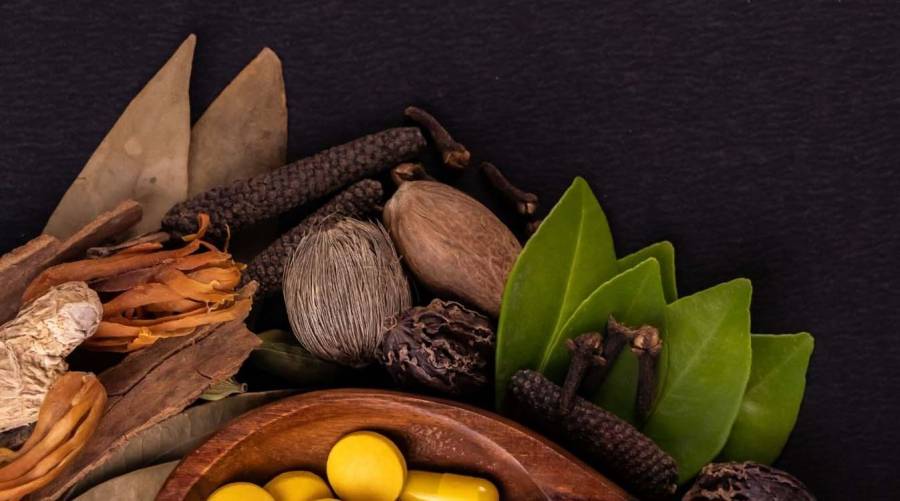
LAHORE: In an era dominated by high-tech hospitals and precision medicine, two of the world’s oldest healing traditions—tibb-e-unani and homoeopathy—are quietly treating millions of Pakistanis every day.
But a critical question is now taking centre stage: who regulates these practitioners, how safe are the services, and where is the data?
In a significant move that could reshape the future of traditional medicine in Pakistan, the Punjab Healthcare Commission (PHC) convened a high-level consultative meeting on 5 March 2026 with the leadership of the National Council for Tibb (NCT) and the National Council for Homoeopathy (NCH) to strengthen regulatory frameworks, improve patient safety, and align these centuries-old systems with modern healthcare standards.
The meeting was chaired by Chief Executive Officer PHC Dr Muhammad Saqib Aziz and brought together key stakeholders including President NCT Hakeem Muhammad Ahmad Saleemi, President NCH Homoeopathic Doctor Rao Ghulam Murtaza, Director Clinical Governance PHC Dr Mushtaq Ahmed Salariya, Director Inspections PHC Dr Shafqat Ijaz, and other senior officials.
A healthcare sector millions use — but remains largely invisible
Opening the discussion, Dr Muhammad Saqib Aziz highlighted a major gap in Pakistan’s health ecosystem.
While tibb-e-unani and homoeopathy serve a large segment of the population, their provider numbers and service utilisation data remain significantly underrepresented in national health statistics.
He stressed that stronger oversight, reliable documentation, and integration with contemporary quality and patient safety standards are essential if traditional medicine systems are to maintain credibility in today’s healthcare landscape.
“The credibility of traditional medicine systems depends on systematic documentation and reliable data collection,” Dr Aziz emphasised, encouraging both councils to advocate for the inclusion of alternative medicine practitioners in national healthcare databases.
Such inclusion, he noted, would support evidence-informed policymaking and sustainable development of Pakistan’s healthcare system.
Defining who can practice — and how
During the consultation, Director Clinical Governance PHC Dr Mushtaq Ahmed Salariya outlined the meeting’s core objective: reviewing existing practices and aligning them with global best practices while addressing Pakistan’s local healthcare realities.
A major focus was clarifying the scope of practice and clinical competencies for practitioners holding different qualifications, including:
- BEMS (Bachelor of Eastern Medicine and Surgery)
- BHMS (Bachelor of Homoeopathic Medical Sciences)
- FTJ (Fazil-e-Tibb-o-Jarahat)
- DHMS (Diploma in Homoeopathic Medical Sciences)
Clearly defining professional roles, officials noted, is essential to ensure that services are delivered strictly in line with statutory requirements and professional standards.
Curriculum changes signal shift toward evidence-based practice
During the meeting, Hakeem Muhammad Ahmad Saleemi, President of the National Council for Tibb, briefed participants on recent reforms introduced by the council.
These include curriculum revisions incorporating evidence-based interventions with established efficacy, marking a shift toward integrating traditional medical education with modern scientific validation.
He also informed participants that updated data on registered Unani and Tibbi practitioners, curricula, and codes of ethics are available on the council’s official platform.
Meanwhile, President of the National Council for Homoeopathy Homoeopathic Doctor Rao Ghulam Murtaza highlighted key educational reforms in the homoeopathy sector.
Among the most notable steps:
• FSc has been set as the entry requirement for DHMS programmes
• Expansion and strengthening of the BHMS degree programme
These measures aim to raise academic standards and professional credibility within the homoeopathy field.
New step: regulatory education for future practitioners
One of the most significant outcomes of the meeting was the agreement to introduce a dedicated module on healthcare regulatory frameworks within academic curricula.
This step aims to ensure that future practitioners understand:
• healthcare laws and regulations
• minimum service delivery standards (MSDS) set by the Punjab Healthcare Commission
• patient safety and quality assurance protocols
Participants agreed that evidence-based practice must remain central to improving service quality, strengthening patient safety, and delivering better health outcomes.
Bridging the gap between tradition and modern healthcare
Despite being considered unfashionable by many in modern medical circles, traditional medicine systems like tibb-e-unani and homoeopathy continue to enjoy deep trust among large segments of the population.
Health policymakers increasingly recognise that ignoring these systems is not an option.
Instead, the challenge is bringing them into a structured regulatory framework that protects patients while preserving centuries of healing knowledge.
By bringing regulators, educators, and professional councils to the same table, the latest PHC initiative signals a growing national effort to modernise traditional medicine without erasing its heritage.
For millions of patients across Pakistan who rely on these systems every day, the stakes could not be higher.
Stay connected with Medical News Pakistan
CLICK HERE TO JOIN our WhatsApp Community for the latest health updates, life-saving medical news, and expert guidance straight to your phone.

Advertisement
E-PAPER
Trending
Popular
Pakistan’s Dr. Misha Tanveer takes air pollution research to Europe ...
-
Calorie deficit for weight loss: How to ...
06:00 PM, 24 Aug, 2026 -
Vaccine maker warns of wider TBE, ...
05:00 PM, 21 Aug, 2026 -
FDA authorizes first robot to draw ...
06:11 PM, 20 Aug, 2026 -
One blood test for multiple cancers ...
04:52 PM, 11 Aug, 2026
Follow us on Facebook
Follow us on Twitter
Copyright ©2026 Medical News. All Rights Reserved.