How to prevent hypertension with lifestyle changes, regular screening
Understanding the risks of high blood pressure and how healthy habits, early screening, and medical guidance can help prevent hypertension.
How to prevent hypertension and maintain a healthy blood pressure
Hypertension, or high blood pressure, is a common but serious condition that occurs when the force of blood against your artery walls remains consistently high—typically above 130/80 mmHg. If left uncontrolled, it can significantly increase your risk of cardiovascular disease, stroke, kidney problems, and other chronic health issues.
Who is at risk of developing hypertension?
Hypertension affects nearly half of adults in the United States. While aging is a natural risk factor, other contributing elements include:
- Family history: Genetics can play a significant role.
- Chronic conditions: Kidney disease, diabetes, obesity, sleep apnea, and thyroid disorders raise the risk.
Lifestyle habits: Lack of physical activity, high-salt diets, and alcohol misuse are all linked to elevated blood pressure. - Ethnic disparities: Black adults are statistically more affected, likely due to environmental and social determinants like limited access to healthy food and healthcare.
The role of genetics In hypertension
Genetic predisposition accounts for roughly half the variation in blood pressure levels. Mutations in over 100 genes can influence fluid and salt balance, blood vessel health, and hormonal regulation. Rare forms of hypertension may stem from a single gene, usually identified at a young age. While genetic testing isn’t typically required, it may be advised in special cases.
How to lower your risk of high blood pressure
While genetics cannot be changed, several evidence-backed lifestyle modifications can dramatically lower your risk:
1. Get screened regularly
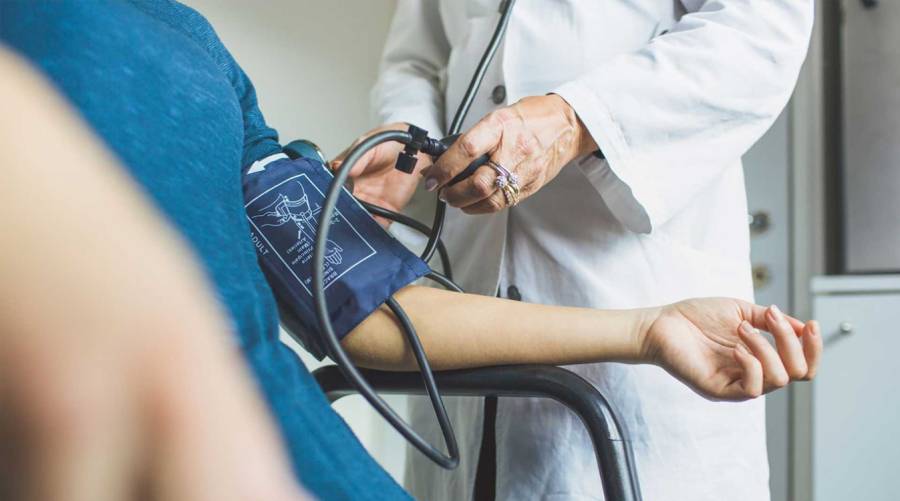
High blood pressure is often called a "silent killer" because it may not cause noticeable symptoms. Regular screenings are the only way to detect it early. Have your blood pressure checked annually during routine checkups, or more frequently if you have known risk factors.
2. Improve lifestyle habits
- Exercise: Aim for 150 minutes of moderate aerobic activity or 75 minutes of vigorous activity weekly.
- Eat a heart-healthy diet: The DASH, Mediterranean, or plant-based diets are recommended.
- Limit alcohol: Excessive drinking is linked to higher blood pressure.
- Prioritize sleep: Adults should get 7-9 hours of quality sleep per night.
- Avoid tobacco: Smoking and secondhand smoke both increase blood pressure.
- Maintain a healthy weight: Discuss personalized weight goals with your healthcare provider.
3. Consider complementary approaches
Some complementary strategies may help but require more research. These include:
- Fish oil
- Probiotics
- Magnesium and calcium supplements
- Breathing exercises, yoga, and meditation
Always consult your healthcare provider before starting new supplements or exercise routines.
When to consult a healthcare provider
If you are concerned about your blood pressure or have other conditions such as diabetes or kidney disease, discuss with your doctor. They can create a personalized prevention plan and may recommend home blood pressure monitoring to track changes.
Final thoughts
Hypertension is largely preventable through a proactive approach to lifestyle, regular screening, and medical guidance. By adopting heart-healthy habits and staying informed, you can reduce your risk and support your long-term cardiovascular health.
CLICK HERE TO FOLLOW Medical News Pakistan WhatsApp Channel for life-changing, science-backed health updates.

Advertisement
E-PAPER
Trending
Popular
Pakistan’s Dr. Misha Tanveer takes air pollution research to Europe ...
-
Calorie deficit for weight loss: How to ...
06:00 PM, 24 Aug, 2026 -
Vaccine maker warns of wider TBE, ...
05:00 PM, 21 Aug, 2026 -
FDA authorizes first robot to draw ...
06:11 PM, 20 Aug, 2026 -
One blood test for multiple cancers ...
04:52 PM, 11 Aug, 2026
Follow us on Facebook
Follow us on Twitter
Copyright ©2026 Medical News. All Rights Reserved.