
CDC panel advises against vaccine additive thimerosal amid safety concerns
Controversial mercury-based preservative faces potential federal ban despite scientific consensus on safety in small doses
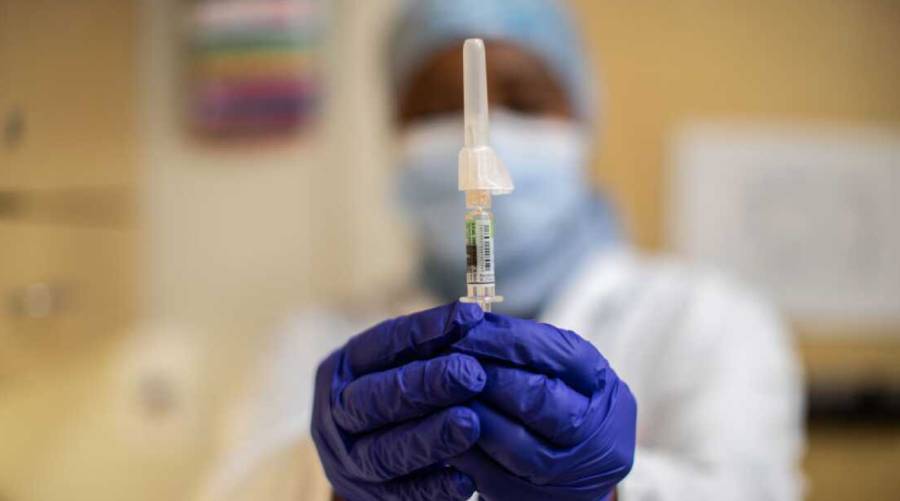
CDC panel votes to restrict thimerosal in vaccines, sparking debate over flu shot availability
The Centers for Disease Control and Prevention (CDC) may soon phase out the use of thimerosal in vaccines after an advisory committee voted on June 24, 2025, to recommend against its continued use. Thimerosal is a mercury-based preservative historically used to prevent contamination in multidose vials, especially in influenza vaccines.
The committee described thimerosal as a "known neurotoxin" and stated that removing it would be a prudent step toward improving public health. This recommendation has reignited a long-running debate over the safety of thimerosal and its role in vaccine production.
What is thimerosal and why is it controversial?
Thimerosal contains ethylmercury, a compound used to keep vaccines stable and uncontaminated. While mercury in its elemental form poses well-documented health risks, the World Health Organization (WHO) has clarified that ethylmercury breaks down quickly in the body and does not accumulate.
Dr. Monica Gandhi, an infectious disease expert at the University of California, San Francisco, noted that thimerosal is mostly absent from today’s vaccines.
“It was removed from nearly all childhood vaccines starting in 2001 as a precautionary measure,” she explained, “but it remains in some influenza vaccines that come in multidose vials.”
The controversy partly stems from a now-discredited study that falsely linked thimerosal to autism. Multiple large-scale studies have since confirmed that there is no link between thimerosal and neurodevelopmental disorders.
Scientific agencies maintain safety stance
Despite the advisory panel’s vote, major health organizations, including the WHO, continue to support the use of thimerosal in vaccines where necessary. Dr. Katherine L. O’Brien, Director of Immunization, Vaccines, and Biologicals at the WHO, emphasized that "thimerosal has been reviewed multiple times by multiple agencies, and there is no evidence of harm from its use."
Potential impact on vaccine access
Though thimerosal is rarely used today, a complete ban could affect flu vaccine availability. Multidose flu shots rely on thimerosal to prevent bacterial and fungal contamination.
“Banning thimerosal is simply not indicated by the scientific evidence,” said Dr. Gandhi. “It could reduce flu vaccine availability by limiting production of multidose vials.”
The CDC has reported that flu vaccination rates among U.S. children are already declining, even as flu cases surge. Experts warn that any reduction in vaccine availability could have public health consequences, particularly for young children, who are at risk of complications such as pneumonia or encephalitis.
As regulatory discussions progress, health officials are urging evidence-based decision-making to avoid unintended consequences during the upcoming respiratory virus season.
CLICK HERE TO FOLLOW Medical News Pakistan WhatsApp Channel for life-changing, science-backed health updates.

Advertisement
E-PAPER

Trending
Popular
Pakistan’s Dr. Misha Tanveer takes air pollution research to Europe ...
-
Calorie deficit for weight loss: How to ...
06:00 PM, 24 Aug, 2026 -
Vaccine maker warns of wider TBE, ...
05:00 PM, 21 Aug, 2026 -
FDA authorizes first robot to draw ...
06:11 PM, 20 Aug, 2026 -
One blood test for multiple cancers ...
04:52 PM, 11 Aug, 2026
Follow us on Facebook
Follow us on Twitter
Copyright ©2026 Medical News. All Rights Reserved.