Polio alarm in Karachi: PMA warns of data gaps, trust deficit, and rising transmission
Pakistan Medical Association raises serious concerns after global audits flag Karachi as a major poliovirus reservoir
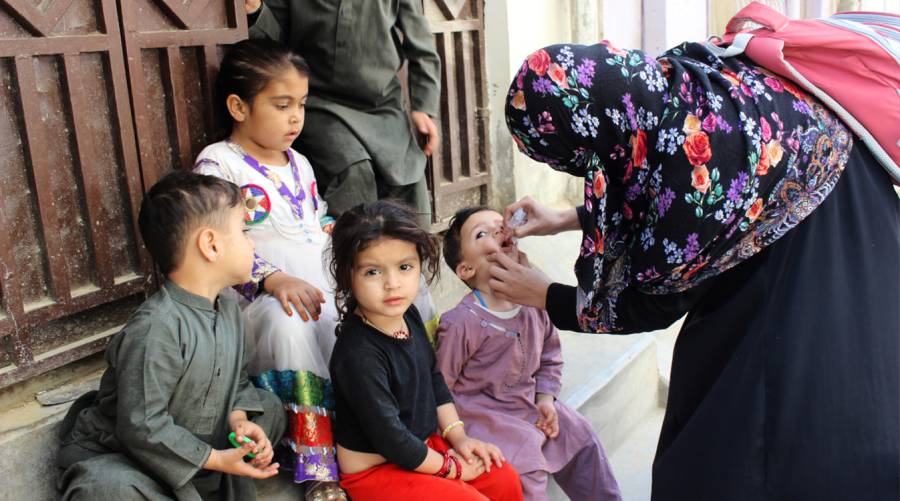
PMA sounds alarm as global reports flag Karachi as a polio transmission hub
KARACHI: The Pakistan Medical Association (PMA) has expressed deep shock and grave concern over recent findings by the Global Polio Eradication Initiative (GPEI) and the World Health Organization (WHO), which identify Karachi as a critical hub for ongoing poliovirus transmission.
The findings reveal a stark disconnect between official vaccination claims and on-ground realities, raising urgent questions about governance, accountability, and public trust in Pakistan’s polio eradication efforts.
A troubling picture behind the numbers
Despite billions of rupees spent on polio eradication campaigns over the years, Karachi continues to function as a “core reservoir” for the virus. While official reports routinely claim vaccination coverage exceeding 95 percent, external audits paint a far more alarming picture.
According to surveillance data, sewage samples from Karachi and Hyderabad blocks have shown nearly 90 percent positivity for poliovirus—the highest level recorded in the past decade. For public health experts, this level of environmental circulation indicates widespread immunity gaps that cannot be explained away by isolated refusals.
Not a scientific failure, but an administrative one
The PMA has made it clear that the persistence of polio in Pakistan is not due to a lack of scientific tools or vaccines, but rather systemic administrative failures.
One of the most serious concerns raised is data falsification. Reports showing vaccination coverage exceeding 100 percent in certain localities are scientifically impossible and, according to the PMA, suggest deliberate manipulation to conceal operational shortcomings.
Equally concerning is the rise of “silent refusals.” Heavy-handed tactics, including the use of police force during vaccination drives, have eroded community trust. Instead of open resistance, many families now quietly avoid vaccination teams, making the problem harder to detect and address.
Children missed, not refused
Contrary to popular narratives, the PMA emphasizes that thousands of children remain unvaccinated not because parents refuse vaccines, but because vaccination teams fail to reach them. Poor micro-planning, inadequate mapping, and weak supervision mean entire pockets of children are consistently missed during campaigns.
This gap between reported coverage and actual reach, the PMA warns, is allowing the virus to circulate silently—putting not only Karachi but the entire country at risk.
PMA’s demands: accountability and course correction
In response to the findings, the Pakistan Medical Association has issued a set of strong demands aimed at restoring credibility and effectiveness to the polio program.
The PMA is calling for an immediate, independent investigation into falsified vaccination data and the possible misappropriation of funds intended for frontline workers. Importantly, the association stresses that accountability must extend beyond vaccinators to include district and provincial leadership responsible for planning, monitoring, and oversight.
The PMA also urges a decisive shift from a pressure-based approach to a trust-based model, recommending the involvement of local doctors, family physicians, and community leaders to rebuild confidence and address vaccine hesitancy through dialogue rather than coercion.
A narrowing window before global consequences
International partners have already warned that if poliovirus transmission is not interrupted by 2026, Pakistan could face travel restrictions and further global isolation. Such measures would not only affect public health but also have serious economic and diplomatic implications.
To prevent this outcome, the PMA has demanded a complete restructuring of the Polio Emergency Operations Centre (EOC), emphasizing that technical competence and public health expertise must take precedence over political appointments.
A moment of reckoning
For Pakistan, and especially for Karachi, this is a moment of reckoning. The tools to eradicate polio exist. What is now required, the PMA argues, is honesty in data, accountability in leadership, and trust at the community level.
Without these, polio will remain not just a health issue, but a symbol of systemic failure in protecting the country’s most vulnerable children.
Stay informed and protect your health!
CLICK HERE TO JOIN Medical News Pakistan on WhatsApp for expert tips, health updates, and the latest medical research straight to your phone.

Advertisement
E-PAPER
Trending
Popular
Pakistan’s Dr. Misha Tanveer takes air pollution research to Europe ...
-
Calorie deficit for weight loss: How to ...
06:00 PM, 24 Aug, 2026 -
Vaccine maker warns of wider TBE, ...
05:00 PM, 21 Aug, 2026 -
FDA authorizes first robot to draw ...
06:11 PM, 20 Aug, 2026 -
One blood test for multiple cancers ...
04:52 PM, 11 Aug, 2026
Follow us on Facebook
Follow us on Twitter
Copyright ©2026 Medical News. All Rights Reserved.